
Spring in Alabamathe fly fishing guide
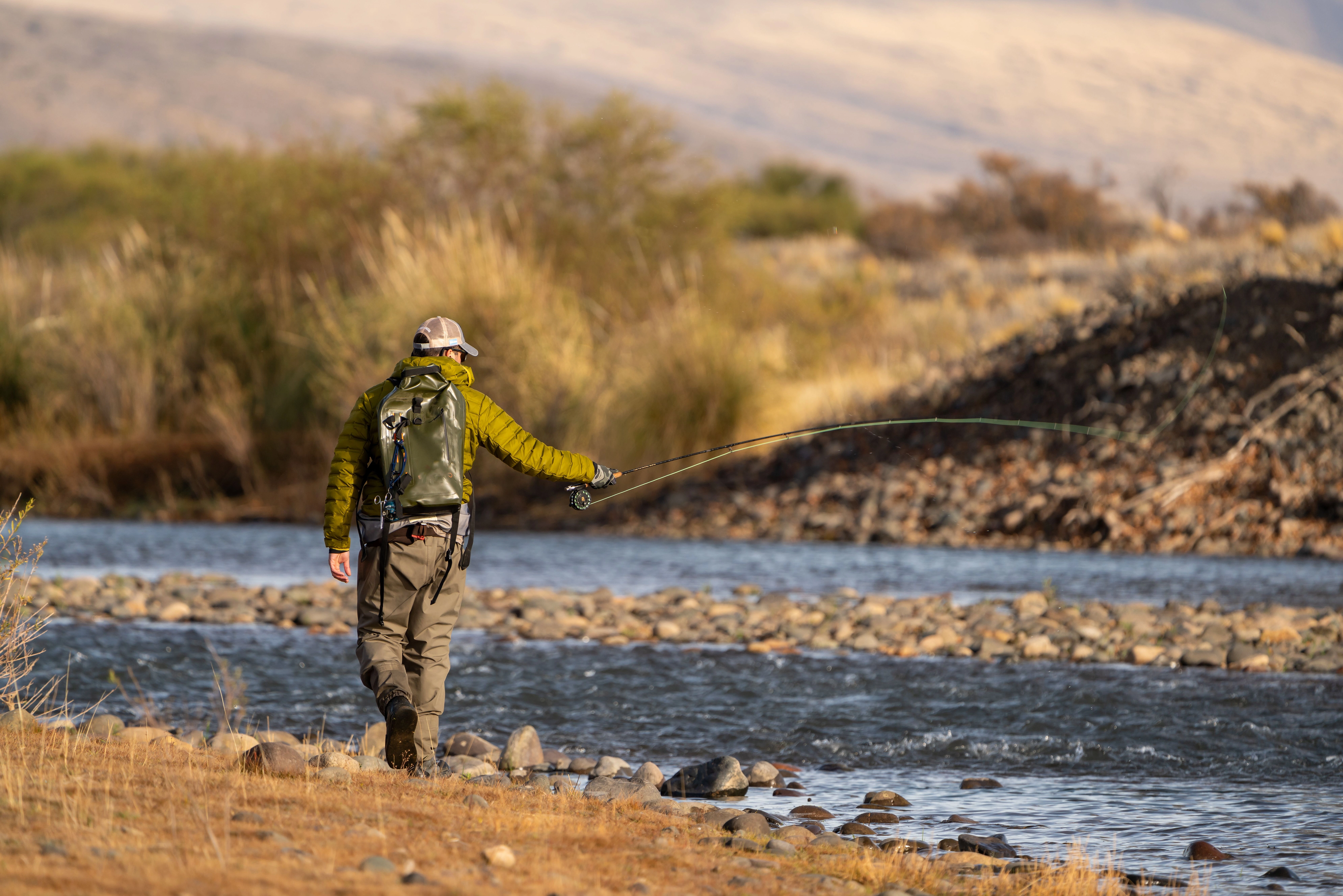
01The Spring Window
Spring fishing in Alabama opens a remarkable chapter where water temperatures climb from winter lows of 45°F to peak spawning conditions around 68°F by May. The state's diverse geography creates multiple fishing seasons within a single timeframe — Sipsey Fork maintains its trout fishery while coastal waters warm to prime redfish temperatures, and the Tennessee River system awakens with aggressive largemouth bass and hybrid striped bass. Average water temperatures during this period range from 52°F in March to 74°F in late May, creating optimal conditions for both coldwater and warmwater species across Alabama's 77,000 miles of rivers and streams.02Reading the Water: Spring Conditions
Flow Patterns and Temperatures
Spring runoff in Alabama typically peaks between late February and mid-April, with flows on major systems like the Coosa River below Jordan Dam averaging 8,000-12,000 CFS compared to summer lows around 3,000 CFS. The USGS Alabama Water Resources data shows consistent temperature gradients during spring warming phases. Key temperature thresholds drive species activity:- 50-55°F: Rainbow trout and brown trout become active feeders
- 58-65°F: Smallmouth bass enter pre-spawn aggression phase
- 65-72°F: Largemouth bass spawn in shallow protected areas
- 68-75°F: Optimal conditions for spotted bass and panfish activity
Hatch Activity Windows
Alabama's spring insect emergence follows predictable patterns tied to accumulated degree days and water temperature stability. The Blue Winged Olive hatch begins when water temperatures reach 48°F consistently, typically occurring from late February through April on northern waters. Major spring hatches include:- BWO (Baetis): Size 18-22, emergence 11 AM-3 PM, 48-58°F water
- Hendrickson: Size 14-16, peak activity 2-4 PM, 55-62°F water
- Sulphurs: Size 16-18, evening emergence, 62-68°F water
- March Brown: Size 12-14, afternoon activity, 58-65°F water
03The Fly Box: Essential Spring Patterns
Nymph Patterns
Spring nymphing success relies on matching emerging insects and active aquatic invertebrates. Pheasant Tail Nymphs in sizes 16-20 consistently produce during BWO activity, while larger Prince Nymphs in size 12-14 work effectively during March Brown emergences. Essential nymph selection:- Pheasant Tail Nymph: Sizes 14-20, weight with 2.5mm tungsten bead
- Hare's Ear Nymph: Sizes 12-16, gold bead head for visibility
- Zebra Midge: Sizes 18-22, black or red thread body
- Copper John: Sizes 14-18, fast-sinking for deeper pools
Dry Fly Selection
Spring dry fly fishing peaks during midday warming periods when insect activity concentrates. Parachute Adams patterns in sizes 16-20 provide excellent visibility and versatility across multiple hatch scenarios."Match the hatch window, not just the bug. Alabama's spring hatches are temperature-driven, and the 2-hour window following peak emergence often produces the most consistent surface feeding."Critical dry patterns:
- Parachute Adams: Sizes 14-18, high-visibility post
- Blue Winged Olive: Sizes 18-22, olive-gray body
- Light Hendrickson: Size 14, pink-tan body
- Elk Hair Caddis: Sizes 14-16, tan or brown body
Streamer Tactics
Spring streamer fishing targets aggressive pre-spawn bass and active trout feeding on baitfish. Woolly Buggers in olive, black, or brown work consistently across all Alabama waters, while smaller Clouser Minnows excel in clear spring conditions.04Prime Waters
Coldwater Fisheries
Sipsey Fork of the Black Warrior River remains Alabama's premier year-round trout destination, with spring flows averaging 150-200 CFS and temperatures ranging 52-58°F through April. The 6-mile delayed harvest section below Smith Lake Dam provides consistent rainbow trout and brown trout fishing. Access points and tactics:- Falls City access: Parking and easy wading, fish upstream pockets
- Railroad Bridge: Deep holes, use weighted nymphs 18-24 inches deep
- Sipsey River confluence: Large pools, streamer fishing for bigger trout
Smallmouth Bass Waters
Little River in Little River Canyon offers exceptional spring smallmouth bass fishing when water temperatures reach 58-65°F. The rocky structure and clear water create perfect sight-fishing conditions during March and April. Prime stretches include:- Canyon Mouth Falls: Deep plunge pools, use size 6 Woolly Buggers
- Hippie Hole: Shallow flats, popper fishing during warm afternoons
- Bear Creek confluence: Structure fishing with crayfish patterns
Warm Water Opportunities
Lake Guntersville heats quickly in spring, with shallow bays reaching 68-72°F by late April. Target spawning largemouth bass in 2-6 feet of water using size 4 poppers and deer hair bugs during morning and evening periods. Tallapoosa River below Martin Dam maintains stable flows and temperatures, making it productive for hybrid striped bass and largemouth bass. Fish current breaks and eddies with large streamers, particularly deceivers in white and chartreuse.Coastal Opportunities
Mobile-Tensaw River Delta warms to optimal redfish temperatures by mid-April, with water temperatures reaching 65-70°F. Focus on shallow flats during incoming tides, using shrimp patterns and crab flies in tan and olive.05Species in Focus
Trout Behavior Patterns
Spring rainbow trout and brown trout in Alabama's tailwaters exhibit classic post-spawn recovery feeding. Fish become increasingly active as water temperatures stabilize above 50°F, with peak feeding occurring during 11 AM-3 PM warming periods. Feeding preferences by temperature:- 50-55°F: Subsurface feeding on nymphs and small streamers
- 55-60°F: Mixed feeding, respond to emerging insects
- 60-65°F: Active surface feeding during hatch periods
Bass Species Activity
Smallmouth bass enter their most aggressive feeding period when water temperatures reach 58-65°F. Pre-spawn males become extremely territorial, attacking streamers and poppers presented near bedding areas in rocky shallows. Largemouth bass follow a different pattern, moving shallow when temperatures exceed 62°F. Target protected coves and backwaters with slow presentations using Woolly Buggers and large nymphs.Panfish Opportunities
Bluegill and redear sunfish provide excellent spring fly fishing as they move into shallow spawning areas. Water temperatures of 65-70°F trigger bedding behavior, creating sight-fishing opportunities with small nymphs and dry flies. Target species include:- Bluegill: Size 12-16 flies, shallow protected areas
- Redear Sunfish: Slightly deeper water, shell-bottom areas
- Crappie: Suspended over structure, small streamers
06Techniques That Produce
Nymphing Strategies
Alabama's spring nymphing requires adapting to varying water clarity and flow conditions. Use high-stick nymphing techniques in faster water, maintaining 2-3 feet of leader between indicator and fly. In clear spring conditions, extend leaders to 12-15 feet with 5X-6X tippet. Effective rigging includes:- Double nymph rig: Heavy point fly, lighter dropper 18 inches above
- Indicator placement: 1.5x water depth from point fly
- Split shot positioning: 6-8 inches above point fly for natural drift
Dry Fly Presentation
Spring dry fly fishing success depends on accurate hatch matching and precise presentation during limited feeding windows. Use downstream presentations to nervous spring trout, allowing natural drift over feeding lanes.- Reach casts: Mend line upstream for longer drift
- Parachute posts: Improve visibility in varied light conditions
- Multiple fly sizes: Carry 2-3 sizes of key patterns
Streamer Fishing
Spring streamer fishing targets aggressive fish during warming periods. Use steady, medium-speed retrieves with occasional strips to trigger reaction strikes. Focus on structure transitions, current breaks, and areas where tributaries enter main stems. Retrieval patterns:- Steady strip: 2-3 inch pulls for active fish
- Pause and drop: Allow fly to sink on pause
- Erratic retrieve: Vary speed to imitate injured baitfish
07Local Intel
Timing Windows
Alabama spring fishing produces best results during specific weather and temperature patterns. Fish the 2-3 days following cold fronts when barometric pressure stabilizes and insect activity increases. Avoid fishing during heavy rains when runoff muddies rivers. Optimal conditions include:- Barometric pressure: Rising or stable above 30.00
- Wind conditions: Light winds less than 10 mph
- Cloud cover: Partly cloudy for consistent temperatures
- Time of day: 10 AM-4 PM for peak activity
Guide Recommendations
Local guides consistently report that spring fishing success correlates directly with water temperature monitoring. Carry a stream thermometer and target waters within optimal temperature ranges for target species.Access Considerations
Spring runoff can affect access to some locations. Check current conditions before traveling to remote areas, particularly in north Alabama where rainfall can rapidly change river levels. Many access points require 4WD during wet spring conditions.08Gear Checklist
Rod and Reel Selection
Spring fishing in Alabama requires versatile setups capable of handling varying conditions from small creek trout to large river bass. A 9-foot 5-weight rod provides the best all-around performance for most situations. Essential rod configurations:- 5-weight, 9-foot: Trout and small bass, versatile for most waters
- 6-weight, 9-foot: Larger bass, windy conditions, streamer fishing
- 3-weight, 7-foot: Small creeks, precise presentations
Line and Leader Systems
Weight-forward floating lines work for 90% of Alabama spring fishing situations. Carry sink-tip lines for deep pools and streamer fishing. Use fluorocarbon leaders in clear spring conditions. Line system recommendations:- WF5F: Primary line for dry flies and nymphing
- WF5S/T: Sink-tip for deep water and streamers
- 9-foot 4X leader: All-around nymphing and dry fly
- 12-foot 5X leader: Clear water, selective fish
Wading Gear
Spring water temperatures and varying conditions require appropriate protection. Neoprene waders provide warmth during cool mornings, while breathable waders work better during warmer afternoons. Wading essentials:- Chest waders: 4mm neoprene for cold water
- Wading boots: Felt or rubber soles based on regulations
- Wading staff: Essential for spring runoff conditions
- Net: Rubber mesh for fish handling
09Regulations & Conservation
License Requirements
Alabama requires a valid fishing license for all anglers 16 and older. Spring fishing often overlaps with special regulation periods on designated waters. The Alabama Department of Conservation and Natural Resources website provides current license information and pricing.Special Regulations
Several Alabama waters maintain specific regulations during spring months:- Sipsey Fork: Delayed harvest section, artificial lures only October 1-May 31
- Coosa River tailrace: Trout stamp required, 5 fish daily limit
- Bass spawning closure: Some lakes close specific areas during spawning season
Conservation Practices
Spring fishing coincides with critical spawning periods for many species. Practice catch-and-release for spawning fish and avoid fishing over visible beds. Use barbless hooks to reduce handling stress and mortality.- Barbless hooks: Easier removal, less handling time
- Rubber nets: Protect fish slime coat
- Quick release: Minimize air exposure time
- Spawning bed respect: Avoid fishing visible nesting areas
10Sources & References
- Alabama Department of Conservation and Natural Resources - Official regulations, license requirements, and stocking reports
- USGS Alabama Water Resources - Real-time streamflow and water temperature data
- Trout Unlimited - Conservation efforts and stream restoration projects in Alabama
- National Weather Service Huntsville - Weather patterns and forecasting for northern Alabama waters
- Auburn University Extension - Fish biology and habitat management research
- Wheeler National Wildlife Refuge - Tennessee River ecosystem information and access
- Alabama State Parks - Little River Canyon access and regulations
- U.S. Army Corps of Engineers - Lake levels and dam generation schedules
Top Spring flies for Alabama
Ranked by how often they show up in this season's reports.
Waters in Alabama 16 to fish
- Big Wills Creekcreek
- Bon Secour Riverriver
- Cahaba Riverriver
- Cheaha Creekcreek
- Coosa River (Below Jordan Dam)river
- Halawakee Creekcreek
- Lake Guntersvillelake
- Little River (Little River Canyon)river
- Locust Forkriver
- Mobile-Tensaw River Deltariver
- Mulberry Forkriver
- Paint Rock Riverriver
- Sipsey Fork of the Black Warrior Riverriver
- Tallapoosa River (below Martin Dam)river
- Weeks Bayriver
- Wheeler Lake (Tennessee River / Wheeler NWR)lake
Fly shops nearby
Local flies, current advice and guided trips.
Read before you go
Pennsylvania July Fly Fishing: Summer Hatches & Prime Streams
Pennsylvania's July fly fishing peaks with terrestrials, sulphurs, and tricos. Top streams include Penns Creek, Yellow Breeches, and Delaware. Expert guide.
Washington December Fly Fishing: Winter Steelhead & Trout Guide
December fly fishing in Washington delivers prime winter steelhead and surprising trout action. Discover top rivers, proven flies, and winter tactics.
Fly Fishing Grand Teton National Park – Where to Go & What to Expect
New Zealand South Island Fly Fishing: Trout Paradise Guide
Discover New Zealand's South Island trout fishing paradise with expert tips on legendary waters, trophy fish, and essential techniques for success.
September Fly Fishing in California: Prime Rivers & Hatch Guide
September brings ideal fly fishing conditions to California's rivers. Get insider tips on top waters, emerging hatches, and essential flies for peak season.
Brown Trout Fly Fishing in Alabama
Need gear or a guide?
Find fly shops near Alabama's best spring waters for local flies, advice and guided trips.