
Summer in Delawarethe fly fishing guide
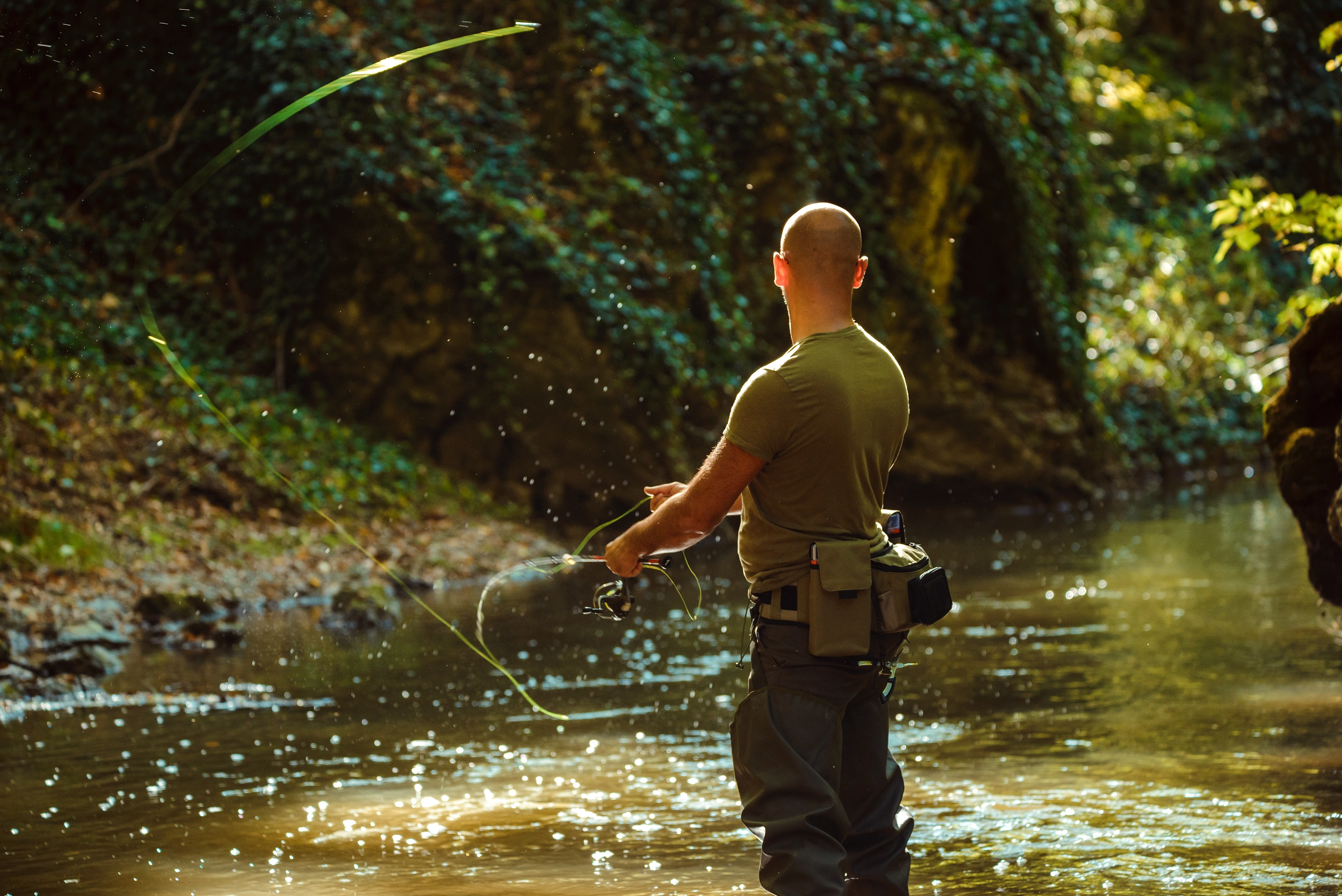
01The Summer Window
Summer in Delaware presents a unique opportunity for fly anglers to experience diverse fishing across three distinct environments within a surprisingly compact state. Water temperatures climb to their seasonal peaks—trout streams holding steady around 65-68°F in shaded headwaters, while tidal rivers and saltwater flats warm to 75-82°F. The USGS gauge network shows consistent summer flows averaging 15-25 CFS on major trout streams, creating ideal conditions for technical dry fly and nymph presentations. The season's defining characteristic is its biological diversity. Terrestrial insects dominate the menu from June through August, with brown trout and rainbow trout feeding aggressively on ants, beetles, and hoppers during cooler morning and evening periods. Meanwhile, Delaware's tidal waters come alive with striped bass, bluefish, and flounder migrations that create world-class sight fishing opportunities.02Reading the Water: Summer Conditions
Delaware's summer fishing revolves around managing heat and timing presentations to cooler water periods. Stream temperatures peak between 2-4 PM, making dawn and dusk the premium windows for trout activity.Trout Stream Conditions
- Water temperatures: 62-70°F in headwater sections, 68-75°F in lower reaches
- Flow rates: Brandywine Creek averages 18-22 CFS, White Clay Creek runs 8-12 CFS
- Clarity: Excellent visibility in limestone springs, moderate in agricultural sections
- Hatch activity: Terrestrials dominant from mid-June, BWO emergence sporadic during cool fronts
- Prime feeding windows: 5:30-8:30 AM and 6:30-9:00 PM
Warmwater and Tidal Conditions
The Nanticoke River system offers consistent smallmouth bass fishing when flows drop below 50 CFS. Tidal zones benefit from incoming water movements that concentrate baitfish and activate predator feeding.- Water temperatures: 72-84°F in tidal sections
- Optimal tide stages: Two hours before through one hour after high tide
- Wind conditions: Southwest breezes 5-15 mph create ideal presentation angles
- Visibility: 2-4 feet in main channels, clearer in tributary mouths
03The Fly Box: Essential Summer Patterns
Delaware's summer fly selection centers on terrestrials for trout waters and baitfish imitations for warmwater species. Guides consistently reach for proven patterns that match the season's abundant natural food sources.Trout Stream Essentials
- Parachute Adams: Sizes 14-18, primary pattern for BWO emergences during cool fronts
- Foam Ant: Size 16-20 in black and cinnamon, deadly during terrestrial activity
- Beetle: Sizes 14-16, foam or deer hair body with black hackle
- Grasshopper: Sizes 10-12, Dave's Hopper or Parachute Hopper patterns
- Pheasant Tail Nymph: Sizes 16-20, beadhead versions for deeper pools
- Woolly Bugger: Sizes 8-12 in olive and black for streamer presentations
Warmwater Patterns
- Clouser Minnow: Sizes 2-6 in white/chartreuse and olive/white combinations
- Poppers: Size 4-8 foam and cork bodies for topwater bass action
- Crayfish patterns: Size 4-8 weighted patterns for bottom presentations
- Zonker: Size 4-10 in tan and olive, rabbit strip streamers for pike
Rigging Recommendations
- Trout leaders: 9-12 foot tapered leaders, 5X-7X tippet for dry flies
- Nymph rigs: Split shot 18 inches above fly, strike indicator at 1.5x water depth
- Streamer setup: 7.5-foot 3X leader, sinking tip or weighted fly
- Bass leaders: 7.5-foot 2X-3X straight fluorocarbon for structure fishing
04Prime Waters
Delaware's compact geography allows anglers to fish multiple water types in a single day. Each system offers distinct opportunities and requires specific tactical approaches.Brandywine Creek
The state's premier wild trout fishery flows through Wilmington's northern suburbs, offering 12 miles of quality water. Summer tactics focus on pocket water presentations and undercut bank feeding lanes.- Access: Thompson Bridge Road, Alapocas Run State Park
- Best sections: Rockford Park upstream to Pennsylvania border
- Prime times: Early morning before 9 AM, evening after 6:30 PM
- Recommended flies: Size 16-18 terrestrials, beadhead nymphs in deeper runs
- Regulations: Artificial lures only, 14-inch minimum on trout
White Clay Creek
Limestone influence creates stable temperatures and consistent insect production. The creek's managed sections provide reliable fishing throughout summer heat periods.- Access: White Clay Creek State Park, multiple parking areas
- Target zones: Pools below park bridges, undercut limestone banks
- Water characteristics: Clear, spring-fed with consistent 8-12 CFS flows
- Species mix: Wild browns, stocked rainbows, occasional brook trout
Nanticoke River
This Chesapeake Bay tributary system offers exceptional smallmouth bass fishing when summer flows stabilize. Target structure along the main stem and tributary mouths.- Launch points: Seaford boat ramp, Phillips Landing
- Prime structure: Fallen timber, bridge pilings, rocky points
- Effective patterns: Clouser Minnows, crayfish imitations
- Float strategy: 4-6 mile sections, allow 5-6 hours for thorough coverage
Indian River Inlet
Saltwater opportunities peak during summer months when baitfish concentrations draw feeding bluefish and striped bass into casting range.- Access: North and south jetties, Indian River Inlet State Park
- Tide timing: Moving water essential, two hours either side of tide change
- Target species: Striped bass, bluefish, summer flounder
- Fly selection: 2-6 inch baitfish patterns, poppers for surface activity
05Species in Focus
Summer brings peak activity periods for Delaware's diverse fish community. Understanding species-specific behavior patterns maximizes fishing success across the state's varied waters.Brown Trout
Delaware's wild brown trout populations demonstrate remarkable heat tolerance, remaining active in water temperatures up to 72°F when oxygen levels remain adequate.- Feeding behavior: Highly selective during bright conditions, opportunistic during low light
- Prime locations: Deep pools, undercut banks, shaded pocket water
- Best times: 5:30-8:00 AM, 7:00-9:30 PM
- Average size: 8-14 inches, fish to 18 inches in deeper pools
- Presentation keys: Long, fine leaders, natural drift presentations
Smallmouth Bass
Summer represents peak feeding opportunity for Delaware smallmouth populations. Fish concentrate around current breaks and structure during stable flow conditions.- Activity patterns: Dawn and dusk surface feeding, midday structure fishing
- Preferred habitat: Rocky runs, fallen timber, bridge pilings
- Feeding preferences: Crayfish, minnows, terrestrial insects
- Fight characteristics: Aerial displays common, sustained runs in current
Striped Bass
Tidal rivers and inlet areas host seasonal striped bass populations following baitfish concentrations. Fish range from schoolie size to specimens exceeding 30 inches.- Migration patterns: Follow baitfish schools, concentrate near structure
- Feeding windows: Tide changes, dawn and dusk periods
- Seasonal size range: 16-32 inches, larger fish in deeper channels
- Preferred flies: Large baitfish patterns, surface poppers during feeding frenzies
06Techniques That Produce
Delaware's summer fishing success depends on adapting presentations to specific water types and thermal conditions. Each environment requires distinct tactical approaches.Trout Stream Tactics
High summer temperatures demand precise timing and presentation techniques. Focus efforts during optimal feeding windows when water temperatures drop below 70°F.- Dry fly presentation: Long, fine leaders minimize line flash in clear water
- Approach angles: Cast from downstream positions, avoid casting shadows
- Terrestrial techniques: Fish tight to banks, allow natural drift patterns
- Nymphing strategy: High-stick technique in pocket water, strike indicator fishing in deeper runs
- Streamer tactics: Short strips across current, pause at structure edges
Smallmouth Bass Strategies
Structure fishing dominates summer bass tactics. Target current breaks, fallen timber, and rocky substrate where bass concentrate during feeding periods.- Streamer presentations: Cast upstream, strip through structure zones
- Topwater timing: Early morning and evening hours for surface activity
- Deep water tactics: Weighted patterns bounced along bottom structure
- Current positioning: Fish holding lies below current breaks
Saltwater Techniques
Tidal fishing requires understanding water movement patterns and baitfish behavior. Success peaks during moving water periods when predator fish actively feed.- Tide strategy: Fish incoming tides for concentrated baitfish
- Sight fishing: Polarized glasses essential for spotting feeding fish
- Retrieve patterns: Vary strip speed to match baitfish behavior
- Wind management: Use wind to aid presentation, avoid fighting crosswinds
"Summer success in Delaware waters comes down to timing and water temperature awareness. Fish the thermometer, not just the clock."
07Local Intel
Delaware's compact size creates opportunities for insider knowledge that significantly improves fishing success. Local guides and experienced anglers share several key insights.Timing Secrets
- Thunderstorm recovery: 24-48 hours after summer storms produce exceptional fishing as oxygen levels rebound
- Cool front activation: BWO hatches can trigger during unseasonably cool periods, even in July
- Moon phase impact: New moon periods increase night feeding activity, affecting dawn fishing
- Barometric pressure: Dropping pressure before weather fronts triggers aggressive feeding
Water Level Management
- Agricultural runoff: Avoid fishing 24 hours after heavy rainfall in farming areas
- Dam releases: Brandywine Creek benefits from controlled releases maintaining minimum flows
- Tidal predictions: Use NOAA tide charts for inlet fishing, factor in wind effects
- Spring influence: Limestone spring inputs stabilize water temperatures in headwater sections
Access and Navigation
- Parking limitations: Popular trout waters fill quickly on weekend mornings
- Private water markers: Respect posted boundaries, especially in suburban areas
- Boat launch fees: State park launches require park entry fees during peak season
- Wading safety: Algae-covered rocks become extremely slippery during low water periods
08Gear Checklist
Summer fishing in Delaware requires versatile gear selection to handle diverse water types and species. Pack for both technical trout presentations and robust warmwater fishing.Rod and Reel Selection
- Trout setup: 8.5-9 foot 4-5 weight rod with smooth drag system
- Bass/pike setup: 8.5-9 foot 6-7 weight rod for streamer fishing
- Saltwater option: 9 foot 8-9 weight rod for inlet fishing
- Backup reel: Spare reel with sink-tip line for deep presentations
Line and Leader Systems
- Floating lines: Weight-forward tapers for all primary rods
- Sinking options: Type III sink-tip for streamer fishing
- Leader material: 5X-7X tippet for trout, 2X-3X for bass
- Tippet rings: Facilitate quick fly changes without shortening leaders
Essential Accessories
- Polarized sunglasses: Critical for sight fishing and eye protection
- Sun protection: Long-sleeve shirt, neck gaiter, broad-brimmed hat
- Net selection: Rubber mesh for catch-and-release fishing
- Thermometer: Monitor water temperature for species activity
- Forceps: Essential for safe hook removal
- Strike indicators: Adjustable options for varying water depths
Wading Gear
- Breathable waders: Essential for comfort during extended summer sessions
- Wading boots: Felt or studded soles for reliable traction
- Wading staff: Recommended for unfamiliar water or high flows
- Quick-dry shirt: Synthetic materials for temperature regulation
09Regulations & Conservation
Delaware maintains specific regulations designed to protect fish populations while providing quality angling opportunities. Current regulations reflect ongoing conservation efforts across multiple species.License Requirements
All anglers 16 and older must possess a valid Delaware fishing license. The Delaware Division of Fish and Wildlife offers annual and temporary license options through online purchase or authorized dealers.- Annual resident license: Required for Delaware residents
- Annual non-resident license: Higher fee structure for out-of-state anglers
- Trout stamp: Additional endorsement required for trout fishing
- Saltwater registration: Free registration required for saltwater fishing
Trout Stream Regulations
- Season: Open year-round on designated waters
- Bag limits: 6 trout per day, 14-inch minimum length
- Gear restrictions: Artificial lures only on select streams
- Special regulations: Catch-and-release sections clearly marked
Warmwater Species
- Bass regulations: 12-inch minimum for smallmouth and largemouth bass
- Daily limits: 5 bass per day combined species
- Striped bass: 20-inch minimum, 2 fish daily limit
- Northern pike: No minimum length, 2 fish daily limit
Conservation Practices
- Catch-and-release: Recommended for wild trout populations
- Barbless hooks: Reduce handling stress and injury
- Proper handling: Wet hands before handling fish, minimize air exposure
- Habitat protection: Stay on designated trails, respect riparian vegetation
10Sources & References
- Delaware Division of Fish and Wildlife - Official fishing regulations and licensing information
- USGS Water Resources - Real-time streamflow data for Delaware waters
- Trout Unlimited - Conservation initiatives and habitat restoration projects
- National Weather Service Philadelphia - Weather forecasts and water temperature data
- NOAA Tides and Currents - Tide predictions for Delaware coastal waters
- Delaware State Parks - Access information and park regulations
- Delaware Department of Natural Resources - Fish stocking reports and population surveys
- EPA Water Quality Database - Water quality monitoring and assessment data
Top Summer flies for Delaware
Ranked by how often they show up in this season's reports.
Waters in Delaware 7 to fish
Fly shops nearby
Local flies, current advice and guided trips.
Read before you go
Pennsylvania July Fly Fishing: Summer Hatches & Prime Streams
Pennsylvania's July fly fishing peaks with terrestrials, sulphurs, and tricos. Top streams include Penns Creek, Yellow Breeches, and Delaware. Expert guide.
Washington December Fly Fishing: Winter Steelhead & Trout Guide
December fly fishing in Washington delivers prime winter steelhead and surprising trout action. Discover top rivers, proven flies, and winter tactics.
Fly Fishing Grand Teton National Park – Where to Go & What to Expect
New Zealand South Island Fly Fishing: Trout Paradise Guide
Discover New Zealand's South Island trout fishing paradise with expert tips on legendary waters, trophy fish, and essential techniques for success.
The Best Fly Fishing Destinations Under 4 Hours from Denver
Discover premier Colorado trout waters within driving distance of Denver, from tailwaters to mountain streams.
September Fly Fishing in California: Prime Rivers & Hatch Guide
September brings ideal fly fishing conditions to California's rivers. Get insider tips on top waters, emerging hatches, and essential flies for peak season.
Need gear or a guide?
Find fly shops near Delaware's best summer waters for local flies, advice and guided trips.