
Spring in Georgiathe fly fishing guide
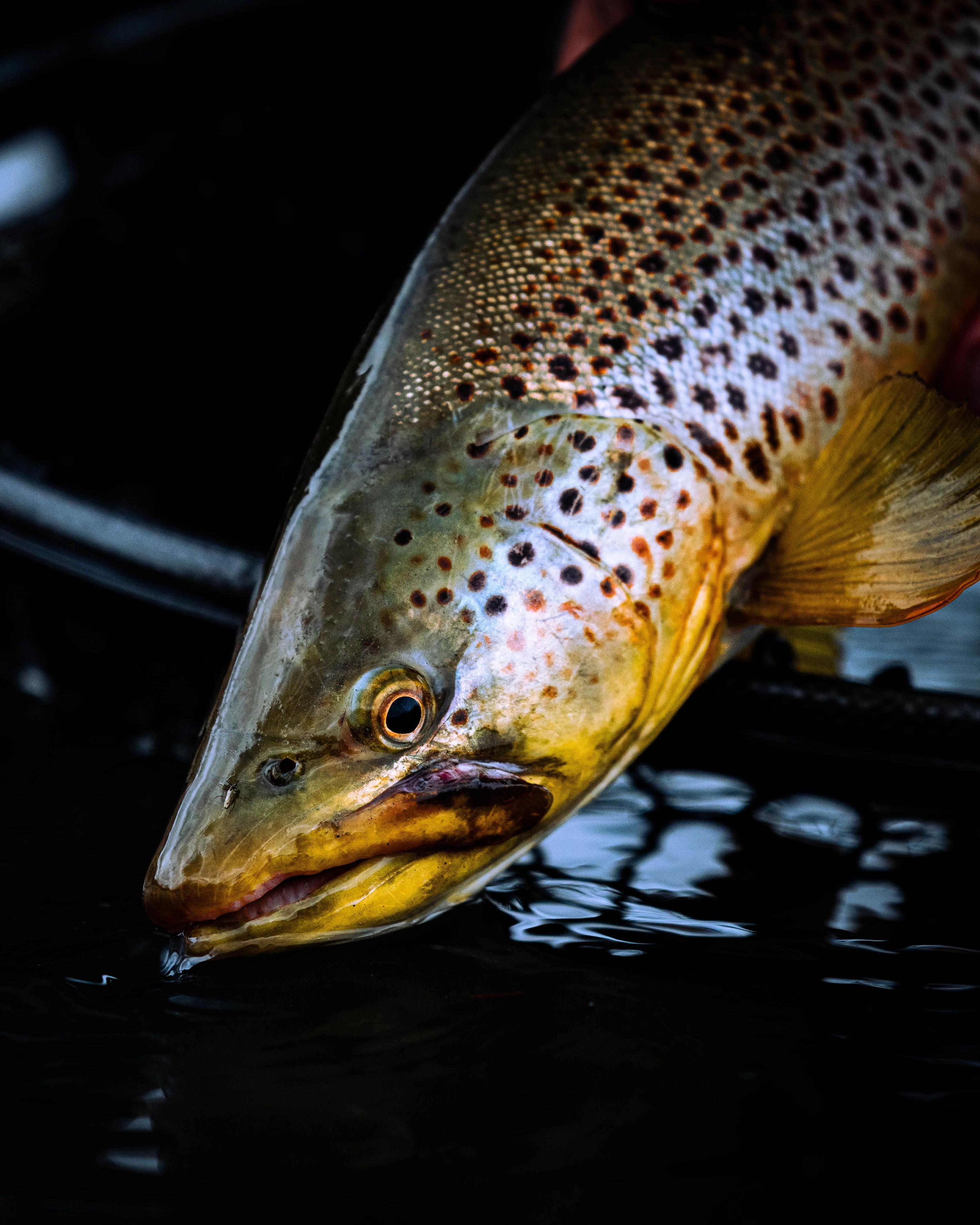
01The Spring Window
March through May marks Georgia's most dynamic fly fishing season, when water temperatures climb from winter's 45-degree chill to comfortable 65-degree ranges that trigger aggressive feeding behavior across the state's diverse waters. Spring runoff clears by mid-April, leaving Chattahoochee River (Buford Tailwater) flows steady at 1,200-1,500 CFS while mountain streams like the Tallulah River stabilize around 200-300 CFS — perfect conditions for both trophy trout and emerging warm-water species.
The season opens with Brown Trout staging in predictable holding water, transitioning to active Rainbow Trout rising to emerging insects by April, and concludes with Striped Bass beginning their feeding runs in Georgia's major lakes. Average air temperatures range from 50-75°F, creating ideal conditions for both cold and warm-water fishing opportunities.
02Reading the Water: Spring Conditions
Georgia's spring water conditions vary dramatically by elevation and latitude. Mountain tailwaters maintain consistent 48-52°F temperatures through March, warming to 55-60°F by May, while Piedmont streams experience more dramatic temperature swings from 45°F in early morning to 65°F by afternoon. USGS Georgia Water Data provides real-time temperature and flow readings for major watersheds.
Water Temperature Patterns
- March: 45-55°F — prime nymphing conditions, limited surface activity
- April: 50-62°F — peak hatch emergence, excellent dry fly fishing
- May: 58-68°F — transition period, both cold and warm-water species active
- Tailwaters: Remain 6-8°F cooler than freestone streams throughout spring
Flow Conditions
- Early March: High flows from winter runoff, 150-200% of normal levels
- Mid-April: Flows stabilize to seasonal averages, optimal wading conditions
- Late May: Dropping to summer levels, concentrate on deeper pools and runs
- Tailwater releases: Chattahoochee Buford Tailwater maintains 1,000-2,000 CFS generation schedule
Hatch Calendar
- Blue-Winged Olives: Peak emergence 10 AM-2 PM, overcast days, sizes 18-22
- Quill Gordons: Mid-March through April, afternoon hatches, sizes 12-14
- Hendricksons: Late April-early May, evening emergence, sizes 12-16
- Sulphurs: May evenings, heavy hatches on tailwaters, sizes 14-18
- March Browns: Sporadic but significant, late March-April, sizes 10-12
"Spring in Georgia means reading water temperatures first, then matching the insects. A 5-degree difference changes everything about trout behavior." — North Georgia guide with 20+ years experience
03The Fly Box: Essential Spring Patterns
Georgia's spring fly box demands versatility, covering everything from size 22 midge emergers for selective tailwater trout to size 4 streamers for aggressive warm-water species. Water temperatures dictate presentations more than calendar dates — 50°F water calls for slow, deep nymphing while 62°F water brings fish to the surface for dry flies.
Nymph Patterns
- Pheasant Tail Nymph: Sizes 14-20, standard spring producer in all waters
- Hare's Ear Nymph: Sizes 12-18, weighted versions for deep pools
- Prince Nymph: Sizes 12-16, excellent attractor in stained water
- Copper John: Sizes 14-18, heavy pattern for fast water
- Zebra Midge: Sizes 18-22, essential for tailwater fishing
Dry Fly Selection
- Blue-Winged Olive: Sizes 16-22, parachute and traditional styles
- Adams: Sizes 12-18, versatile attractor pattern
- Elk Hair Caddis: Sizes 12-16, late April-May emergence
- Light Hendrickson: Sizes 12-14, April-May hatch matcher
- Sulphur Dun: Sizes 14-16, evening fishing in May
Streamer Tactics
- Woolly Bugger: Sizes 4-10, olive and black most productive
- Clouser Minnow: Sizes 2-8, essential for lake fishing
- Muddler Minnow: Sizes 4-8, early season brown trout pattern
- Zonker: Sizes 2-6, rabbit strip patterns for aggressive fish
Rigging Recommendations
- Nymph rigs: 9-foot 5X leader, split shot 12 inches above fly
- Dry fly setup: 12-foot 5X-6X leader for selective fish
- Streamer leaders: 6-foot 3X-4X, straight monofilament
- Indicator nymphing: Thingamabobber or yarn, adjust depth frequently
04Prime Waters
Chattahoochee River (Buford Tailwater)
Georgia's premier trout water maintains consistent 48-52°F temperatures through spring, supporting exceptional populations of Rainbow Trout and Brown Trout. The 48-mile tailwater section from Buford Dam to Atlanta offers world-class fishing with generation schedules that create predictable fishing windows.
- Prime sections: Buford Dam to McGinnis Ferry, Powers Island area
- Access points: Buford Dam Park, Lower Pool Park, Jones Bridge
- Best conditions: 1,000-1,500 CFS, avoid high generation periods
- Spring tactics: Nymph deep runs during generation, dry flies during low water
- Target species: 12-18 inch rainbows, 14-20 inch browns
Tallulah River
This mountain freestone provides classic Appalachian trout fishing with excellent Rainbow Trout and Brown Trout populations. Spring flows range from 150-400 CFS, creating ideal pocket water conditions for technical presentations.
- Access: Tallulah Falls State Park, USFS Road 70
- Water characteristics: Fast pocket water, deep plunge pools
- Spring highlights: Excellent dry fly fishing April-May
- Recommended flies: High-floating attractor patterns, weighted nymphs
Chattooga River
Wild and scenic designation protects exceptional Brown Trout habitat along the Georgia-South Carolina border. Spring fishing peaks when water temperatures reach 55-60°F, typically mid-April through May.
- Special regulations: Artificial lures only, check current slot limits
- Access points: Burrells Ford Bridge, Earl's Ford
- Spring conditions: Flows drop from 800+ CFS to 200-400 CFS
- Target areas: Deep pools below rapids, undercut banks
Toccoa River
Georgia's northernmost trout stream offers excellent Rainbow Trout fishing in a beautiful mountain setting. Spring flows stabilize around 200-300 CFS by April, creating ideal conditions for wade fishing.
- Prime season: April-May when water clears and warms
- Access: Dial Road, Old Highway 2, Curtis Creek
- Spring tactics: Small dry flies and nymphs, sizes 14-18
- Fish characteristics: Wild and stocked rainbows, 8-14 inches typical
Lake Systems
Lake Lanier
- Spring species: Striped Bass and Spotted Bass become active
- Best areas: Creek mouths, secondary points, main lake structure
- Water temps: 55-65°F range triggers feeding activity
- Techniques: Streamers along drop-offs, surface activity at dawn
Lake Allatoona
- Target species: Hybrid Striped Bass and Largemouth Bass
- Spring patterns: Fish move shallow as water warms above 58°F
- Prime locations: Red Top Mountain area, Allatoona Creek arm
- Effective flies: Large streamers, poppers in shallow coves
05Species in Focus
Rainbow Trout
Georgia's most widespread trout species reaches peak activity when water temperatures hit 55-62°F, typically mid-April through May. Spring rainbows feed aggressively on emerging insects and respond well to both nymphs and dry flies.
- Prime feeding times: 10 AM-4 PM during overcast conditions
- Preferred water: Moderate flows, 2-4 feet deep, good oxygenation
- Spring behavior: Active surface feeding, less selective than browns
- Size range: 10-18 inches typical, 20+ inch fish possible in tailwaters
- Best techniques: Indicator nymphing, dry fly fishing during hatches
Brown Trout
Georgia's wiliest trout becomes increasingly active as spring progresses, with peak feeding occurring during evening hours when water temperatures reach optimal ranges. Large browns often hold in deep pools and undercuts during daylight hours.
- Activity patterns: Dawn and dusk feeding, nocturnal behavior in clear water
- Habitat preferences: Deep pools, undercut banks, structure
- Spring diet: Nymphs, emerging insects, small baitfish
- Size potential: 12-20 inches common, trophy fish over 24 inches
- Presentation keys: Stealthy approach, precise casts, natural drifts
Striped Bass
Lake populations become active when water temperatures climb above 58°F, typically late April-May. Spring stripers feed heavily in preparation for spawn, creating excellent fly fishing opportunities in shallow water areas.
- Seasonal movement: Move shallow to feed on shad schools
- Prime locations: Points, creek mouths, main lake structure
- Best times: Early morning, late evening surface activity
- Effective patterns: Large streamers, poppers, Clouser Minnows
- Fight characteristics: Powerful runs, aerial displays possible
Warm-Water Species
Largemouth Bass and Spotted Bass become increasingly active as spring progresses, offering excellent fly fishing opportunities as water temperatures climb above 60°F in May.
- Spawning behavior: Move shallow when temps reach 62-65°F
- Aggressive periods: Pre-spawn and post-spawn feeding
- Top producers: Large poppers, streamers, crayfish patterns
- Prime habitat: Shallow coves, rocky structure, vegetation edges
06Techniques That Produce
Nymphing Strategies
Spring nymphing success depends on reading water temperatures and adjusting depth accordingly. Cold water (below 55°F) requires deep, slow presentations while warming water allows for shallower, more active retrieves.
- Indicator systems: Adjust depth every 30 minutes as conditions change
- Split shot placement: 12-18 inches above fly for natural drift
- Drift distance: Long drifts in cold water, shorter in warm conditions
- Strike detection: Watch for subtle indicator movements, set hook quickly
- Two-fly rigs: Heavy point fly, lighter dropper 18 inches above
Dry Fly Tactics
Spring dry fly fishing peaks during afternoon hatches when air and water temperatures align. Success requires matching both the insect and the presentation to specific conditions.
- Hatch timing: BWO emergence typically 10 AM-2 PM on overcast days
- Rising fish: Target consistent feeders, avoid sporadic risers
- Approach: Cast from downstream position when possible
- Drift quality: Drag-free presentations essential in clear spring water
- Fly selection: Match size first, then color and profile
Streamer Fishing
Streamer fishing excels during spring transitions when baitfish become active and predatory fish feed aggressively. Both trout and warm-water species respond to properly presented streamers.
- Retrieve patterns: Vary speed and action until fish respond
- Water column: Fish different depths throughout the day
- Color selection: Natural colors in clear water, bright in stained conditions
- Strip sets: Firm strip-strike to penetrate hard mouths
- Follow-through: Continue retrieve after hookup to maintain tension
"Spring fishing is about adapting to daily changes. Water that fished deep and slow yesterday might require surface presentations today." — Georgia fly fishing instructor
07Local Intel
Timing Windows
- Early March: Focus on deep pools, slow presentations, limited daylight hours
- Late March: First reliable BWO hatches begin, afternoon fishing improves
- Early April: Peak hatch diversity, excellent dry fly opportunities
- Late April: Consistent surface activity, warming water triggers feeding
- May: Transition period, both cold and warm-water species active
Weather Patterns
- Overcast days: Extend insect emergence periods, improve hatch fishing
- Rain systems: Can trigger feeding before and after passage
- Cold fronts: Shut down surface activity for 24-48 hours
- Stable high pressure: Creates consistent hatch timing and fish behavior
Lesser-Known Opportunities
- Etowah River warm-water fishing: Excellent Bluegill on small poppers
- Small mountain tributaries: Wild brook trout populations in headwater streams
- Urban tailwaters: Chattahoochee sections near Atlanta hold quality fish
- Lake spring fishing: Creek mouths concentrate baitfish and predators
Guide Recommendations
- Water temperature monitoring: Carry stream thermometer, check readings hourly
- Hatch timing: Arrive 30 minutes before expected emergence
- Backup plans: Always have nymph rigs ready when dry fly fishing fails
- Stealth approach: Spring water clarity demands careful wading and casting
08Gear Checklist
Rod Selection
- Primary rod: 9-foot 5-weight for versatile trout fishing
- Nymphing setup: 10-foot 4-weight for indicator fishing
- Streamer rod: 9-foot 6 or 7-weight for large flies and big fish
- Small stream: 7.5-foot 3-weight for tight quarters
Line Systems
- Weight forward floating: Primary line for most spring conditions
- Sink tip: Type III or IV for deep nymphing and streamers
- Double taper: Excellent for delicate dry fly presentations
- Leaders: 9-12 foot tapered leaders, 4X-6X tippet material
Wading Gear
- Chest waders: Neoprene or breathable, spring water remains cold
- Wading boots: Felt or rubber soles, good ankle support
- Wading staff: Essential for high water periods
- Gravel guards: Protect wader legs from debris
Accessories
- Net: Rubber bag, trout-friendly design
- Nippers: Sharp, reliable line cutting
- Forceps: Hook removal and fly manipulation
- Strike indicators: Various sizes and colors
- Split shot: Assorted weights for depth control
- Floatant: Dry fly treatment for longer floats
- Stream thermometer: Essential for reading conditions
09Regulations & Conservation
Georgia requires all anglers 16 and older to possess valid fishing licenses, with trout stamps required for fishing designated trout waters. Georgia Fish & Wildlife Department maintains current regulations, seasonal closures, and stocking schedules for all public waters.
License Requirements
- Resident annual: Standard fishing license plus trout stamp
- Non-resident: Annual or short-term licenses available
- Trout waters: Special stamp required for designated trout streams
- WMA permits: Additional permits needed for Wildlife Management Areas
Special Regulations
- Chattooga River: Artificial lures only, special size and bag limits
- Delayed harvest: Specific streams closed October 31-March 31
- Catch and release: Designated sections require immediate release
- Bait restrictions: Check individual water regulations
Conservation Practices
- Barbless hooks: Reduce fish injury, easier release
- Proper handling: Wet hands, support fish properly
- Quick releases: Minimize air exposure time
- Stream etiquette: Respect other anglers and habitat
"Conservation is about tomorrow's fishing. Handle every fish like it's the last one you'll catch." — Trout Unlimited Georgia Council
10Sources & References
- Georgia Fish & Wildlife Department — Official regulations, licensing, and stocking information
- USGS Georgia Water Data — Real-time stream flow, temperature, and gauge height data
- Trout Unlimited — Conservation initiatives, habitat restoration, and local chapter information
- National Weather Service Atlanta — Weather forecasts, river forecasts, and flood warnings
- U.S. Forest Service Chattahoochee-Oconee — Public access information and forest regulations
- Georgia Environmental Protection Division — Water quality monitoring and protection programs
- Georgia State Parks — Park access, facilities, and fishing opportunities
- American Whitewater — River flow information and access details for Georgia streams
Top Spring flies for Georgia
Ranked by how often they show up in this season's reports.
Waters in Georgia 7 to fish
Fly shops nearby
Local flies, current advice and guided trips.
Read before you go
Pennsylvania July Fly Fishing: Summer Hatches & Prime Streams
Pennsylvania's July fly fishing peaks with terrestrials, sulphurs, and tricos. Top streams include Penns Creek, Yellow Breeches, and Delaware. Expert guide.
Washington December Fly Fishing: Winter Steelhead & Trout Guide
December fly fishing in Washington delivers prime winter steelhead and surprising trout action. Discover top rivers, proven flies, and winter tactics.
Fly Fishing Grand Teton National Park – Where to Go & What to Expect
New Zealand South Island Fly Fishing: Trout Paradise Guide
Discover New Zealand's South Island trout fishing paradise with expert tips on legendary waters, trophy fish, and essential techniques for success.
September Fly Fishing in California: Prime Rivers & Hatch Guide
September brings ideal fly fishing conditions to California's rivers. Get insider tips on top waters, emerging hatches, and essential flies for peak season.
Mountain Whitefish Fishing in Wyoming
Need gear or a guide?
Find fly shops near Georgia's best spring waters for local flies, advice and guided trips.