
Fall in Illinoisthe fly fishing guide
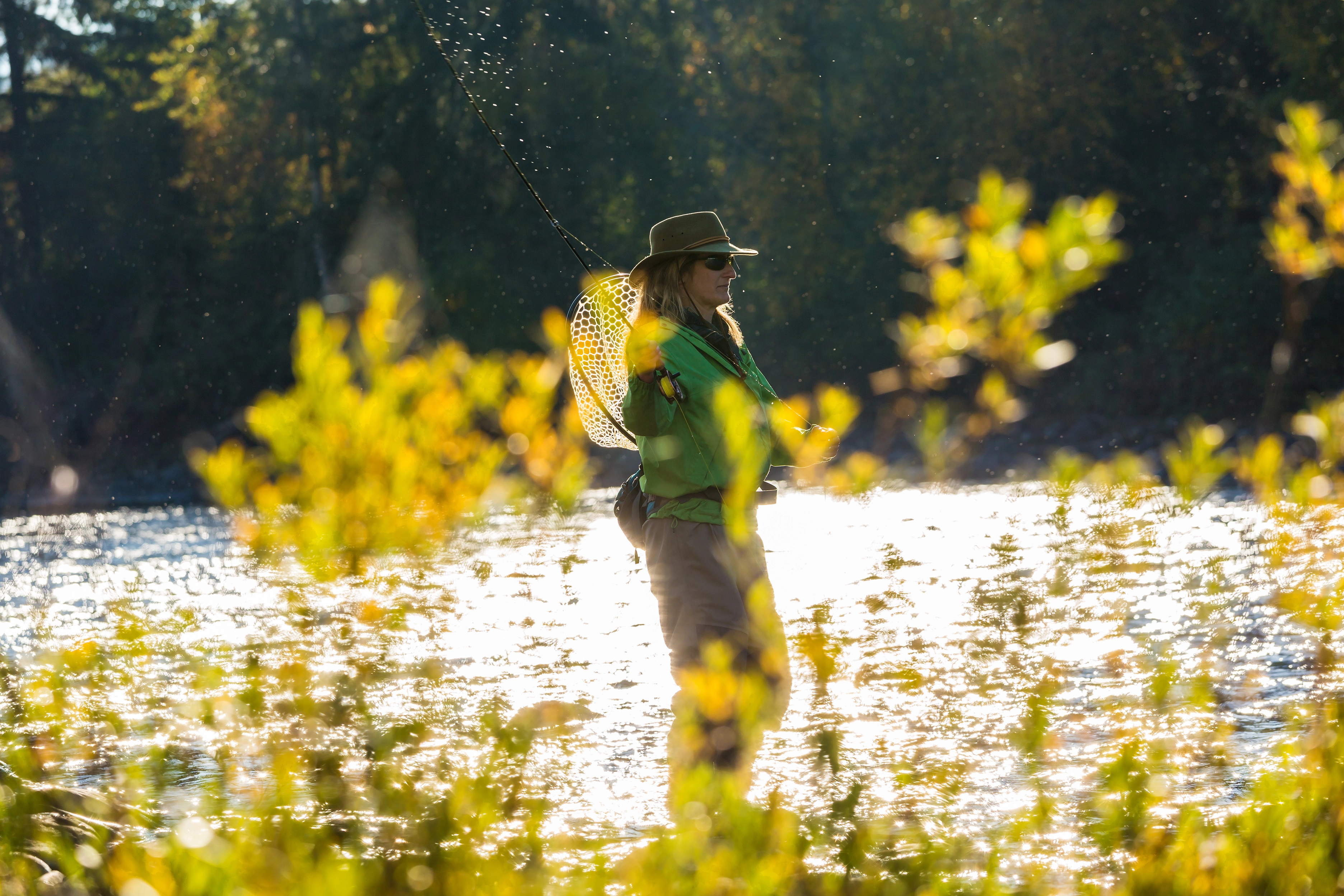
01The Fall Window
October water temperatures in Illinois drop from 65°F to the mid-40s by November's end, triggering the year's most reliable fishing. Brown trout transition from summer lethargy to aggressive pre-spawn feeding, while steelhead begin their Lake Michigan runs with water temps hitting that magic 50°F mark. The Fox and Kishwaukee rivers see their clearest flows since spring, and smallmouth bass stack in deeper pools before winter's grip takes hold.02Reading the Water: Fall Conditions
Water Levels and Temperatures
Fall in Illinois brings stable flows and dropping temperatures that activate both coldwater and warmwater species. USGS gauges show consistent patterns across the state's prime waters:- September: Water temps 65-72°F, flows typically 150-300% of summer lows
- October: Prime month with temps 50-60°F, stable flows, excellent visibility
- November: Water drops to 40-50°F, triggering steelhead runs on Lake Michigan tributaries
Seasonal Hatches
Illinois fall hatches peak in early October before tapering through November. Key emergences include:- Blue-Winged Olives: Size 18-22, heaviest 10 AM-2 PM on overcast days
- Midges: Size 20-24, consistent throughout fall, peak activity dawn and dusk
- October Caddis: Size 8-10, sporadic but significant on forested streams
- Terrestrials: Ants, beetles, and hoppers remain active until first hard frost
03The Fly Box: Essential Fall Patterns
Dry Flies
Fall dry fly fishing extends well into October on Illinois waters. Essential patterns include:- Blue-Winged Olive Dun: Size 18-20, olive body, dun wings. Fish dead drift during midday emergences
- Adams: Size 14-18, the universal attractor. Effective when no visible hatch occurs
- Parachute Ant: Size 16-18, cinnamon or black. Target undercut banks and eddies
- Griffith's Gnat: Size 20-22, essential for midge-sipping trout in calm pools
Nymphs and Streamers
Subsurface presentations dominate as water temperatures drop. Productive patterns:- Pheasant Tail Nymph: Size 16-20, standard and flashback versions. Euro-nymph through riffles
- Copper John: Size 14-18, red or green. Heavyweight for deep pools
- Woolly Bugger: Size 6-10, olive, brown, or black. Strip through deeper runs
- Sculpzilla: Size 4-8, brown/olive. Target large brown trout in October
Rigging Recommendations
Fall conditions demand versatile setups:- Dry fly leader: 9-12 feet, 5X-6X tippet for spooky trout
- Euro-nymphing: 15-20 feet total leader, 4X-5X, weighted flies essential
- Streamer setup: 7.5-9 feet, 3X-4X, sink-tip or sinking leader for deep pools
04Prime Waters
Fox River
The Fox River offers Illinois' most consistent fall trout fishing. Target the stretches from Yorkville to Sheridan, where limestone springs maintain temperatures 5-10°F cooler than ambient air.- Access: Yorkville Dam, Silver Springs State Park, Sheridan boat ramp
- Species: Brown trout, smallmouth bass, northern pike
- Tactics: Euro-nymph the limestone ledges, streamer fish the deeper bends
- Peak times: Early October through mid-November
Kishwaukee River
The Kishwaukee River produces exceptional fall fishing for wild brown trout and aggressive smallmouth bass. The South Branch above Genoa offers the clearest water and most consistent hatches.- Best sections: Belvidere to Genoa, focus on the Lowden Road access
- Fall hotspots: Deep pools below Lowden Mill Dam, undercut banks near County Line Road
- Recommended flies: Pheasant Tail Nymphs in riffles, Woolly Buggers in pools
Rock River
The Rock River transforms in fall as smallmouth bass congregate in predictable locations. Target the Rockton Dam tailwater and the Byron nuclear plant discharge area.- Thermal discharge advantage: Water temps 8-12°F warmer than ambient near Byron plant
- Structure focus: Riprap banks, fallen timber, bridge pilings
- Prime patterns: Clouser Minnows, Woolly Buggers in olive and brown
Lake Michigan Chicago Shore
Fall brings steelhead and brown trout runs to Lake Michigan tributaries. Water temperatures below 50°F trigger upstream migrations starting in late October.- Key streams: North Shore Channel, Chicago River, Calumet River
- Peak timing: First significant rain after October 15th
- Essential flies: Egg patterns, Woolly Buggers, stonefly nymphs
05Species in Focus
Brown Trout
Brown trout enter pre-spawn aggression mode as October water temperatures drop below 55°F. These fish abandon summer lethargy for aggressive feeding that peaks during overcast conditions.- Prime feeding times: 10 AM-2 PM during BWO hatches, dawn and dusk for streamers
- Behavior patterns: Move to riffles and pool heads, become territorial
- Size expectations: 12-16 inches common, 18-22 inch fish possible
- Best techniques: Euro-nymphing with Pheasant Tails, streamer fishing at dawn
Smallmouth Bass
Smallmouth bass stage in deeper pools throughout fall, feeding heavily before winter dormancy. Target water 6-12 feet deep with current breaks and structure.- Temperature triggers: Most active 50-65°F water temperatures
- Feeding patterns: Crayfish imitations deadly, also small baitfish patterns
- Location keys: Rocky ledges, fallen timber, bridge pilings
- Top flies: Clouser Minnows, Woolly Buggers, crayfish patterns
Northern Pike
Northern pike activity increases as baitfish schools concentrate in fall. These ambush predators patrol weed edges and structure breaks.- Prime locations: Weed bed edges, inlet mouths, shallow bays
- Size range: 24-36 inches typical, 40+ inch fish possible
- Essential gear: Wire leaders, 8-weight rods minimum
- Productive patterns: Large Deceivers, Pike Bunnies, surface poppers
"Fall pike fishing in Illinois requires commitment to size 2/0 flies and 20-pound wire. Anything smaller gets ignored or cut off." - Local guide wisdom
06Techniques That Produce
Euro-Nymphing
Euro-nymphing dominates fall fishing on Illinois streams as trout feed heavily on drifting nymphs. This technique excels in the clear, moderate flows typical of October and November.- Leader setup: 15-20 feet total, 4X-5X tippet
- Fly selection: Weighted nymphs essential - Copper Johns, Pheasant Tails
- Presentation keys: Tight line contact, follow the drift, set on any pause
- Target water: Riffles, pool heads, current seams
Streamer Fishing
Aggressive fall feeding makes streamer fishing exceptionally productive. Focus on dawn and dusk periods when predator fish hunt actively.- Casting approach: Quarter downstream, strip with rod tip low
- Retrieve patterns: Two-strip pause for browns, steady retrieve for bass
- Water coverage: Fan cast to cover pools systematically
- Depth control: Sink-tip lines or weighted flies for deeper pools
Dry Fly Strategies
October dry fly fishing extends surprisingly late in Illinois. Focus on midday periods during BWO emergences and sunny afternoons for terrestrial action.- Hatch timing: BWO emergences 10 AM-2 PM on overcast days
- Presentation approach: Upstream dead drift, avoid drag at all costs
- Leader tippet: 6X essential for spooky fall trout
- Strike indicators: Avoid on calm pools, essential in broken water
07Local Intel
Timing Windows
Illinois fall fishing follows predictable patterns that experienced anglers exploit:- September 15-October 15: Peak brown trout activity, best dry fly period
- October 15-November 15: Steelhead runs begin, streamer fishing peaks
- November 15-December 1: Late season opportunities, focus on thermal refugia
Weather Factors
Fall weather patterns significantly impact fishing success in Illinois:- Overcast days: Extended BWO hatches, all-day dry fly potential
- Warm spells: Terrestrial activity increases, target grassy banks
- Cold fronts: Push fish deeper, switch to nymphing tactics
- Rain events: Trigger steelhead runs 24-48 hours post-precipitation
Lesser-Known Hotspots
Experienced Illinois fly fishers know these productive but overlooked locations:- Middle Fork Vermilion River: Wild smallmouth bass, limited pressure
- Thermal discharges: Extended seasons near power plants, check regulations
- Spring creeks: Private access available, consistent temperatures
- Urban streams: Chicago area creeks hold surprising populations
08Gear Checklist
Rods and Reels
Fall fishing in Illinois demands versatile tackle to handle diverse species and techniques:- 5-weight rod: 9-foot, medium-fast action for trout and small bass
- 7-weight rod: 9-foot, fast action for pike, large bass, and steelhead
- Euro-nymphing rod: 10-11 feet, soft tip, if pursuing this technique seriously
- Reel considerations: Smooth drag essential, backing capacity for pike runs
Lines and Leaders
- Floating line: Weight-forward taper, primary choice for most situations
- Sink-tip line: 10-15 foot sink tip for deep pools and streamers
- Leader material: 4X-6X fluorocarbon, multiple spools
- Wire leaders: 15-20 pound test for pike fishing
Essential Accessories
- Waders: Breathable chest waders, felt or rubber soles depending on regulations
- Net: Rubber bag, adequate size for anticipated species
- Fly boxes: Multiple compartments, waterproof construction
- Tools: Forceps, nippers, strike indicators, split shot
- Safety items: Wading staff for unfamiliar water, first aid kit
Seasonal Considerations
- Layered clothing: Temperatures swing 30-40°F during fall days
- Hand warmers: Essential for November fishing
- Traction devices: Ice forms on guides early in season
- Headlamp: Days shorten rapidly, dawn/dusk fishing extends past daylight
09Regulations & Conservation
Current License Requirements
Illinois requires all anglers 16 and older to possess a valid fishing license. Illinois fishing licenses can be purchased online or at authorized retailers.- Resident annual license: $15.00
- Non-resident annual license: $31.50
- Trout stamp: $5.25 additional, required for trout waters
- Lake Michigan salmon stamp: $5.25 additional for Lake Michigan fishing
Special Regulations
Illinois maintains specific regulations for premier trout waters:- Catch and release areas: Designated sections on Fox River, check current regulations
- Artificial lures only: Many trout streams restrict to artificial lures and flies
- Size limits: Minimum lengths vary by water body and species
- Seasonal closures: Some streams closed during spawning periods
Conservation Ethics
Illinois fly fishing depends on healthy fish populations and clean water. Practice these conservation principles:- Catch and release: Handle fish gently, use barbless hooks when possible
- Respect private property: Many prime waters flow through private land
- Leave no trace: Pack out all trash, respect riparian vegetation
- Report violations: Help protect resources by reporting illegal activities
10Sources & References
- Illinois Department of Natural Resources - Fishing Division
- USGS Illinois Water Resources Data
- Trout Unlimited Great Lakes Region
- Illinois Fish and Wildlife Information System
- Illinois Fishing Regulations Guide
- National Weather Service Chicago - Stream Flow and Weather Data
- US Fish and Wildlife Service Midwest Region
- Illinois DNR Lake Michigan Fishing Information
Top Fall flies for Illinois
Ranked by how often they show up in this season's reports.
Waters in Illinois 7 to fish
Fly shops nearby
Local flies, current advice and guided trips.
Read before you go
Pennsylvania July Fly Fishing: Summer Hatches & Prime Streams
Pennsylvania's July fly fishing peaks with terrestrials, sulphurs, and tricos. Top streams include Penns Creek, Yellow Breeches, and Delaware. Expert guide.
Pennsylvania October Fly Fishing: Fall Trout & Prime Rivers Guide
October fly fishing in Pennsylvania offers exceptional trout opportunities. BWO hatches, fall colors, and active fish on Penns Creek, Delaware River, and Kettle Creek.
Washington December Fly Fishing: Winter Steelhead & Trout Guide
December fly fishing in Washington delivers prime winter steelhead and surprising trout action. Discover top rivers, proven flies, and winter tactics.
New Zealand South Island Fly Fishing: Trout Paradise Guide
Discover New Zealand's South Island trout fishing paradise with expert tips on legendary waters, trophy fish, and essential techniques for success.
September Fly Fishing in California: Prime Rivers & Hatch Guide
September brings ideal fly fishing conditions to California's rivers. Get insider tips on top waters, emerging hatches, and essential flies for peak season.
Mountain Whitefish Fishing in Wyoming
Need gear or a guide?
Find fly shops near Illinois's best fall waters for local flies, advice and guided trips.