
Spring in Indianathe fly fishing guide
01The Spring Window
Spring awakens Indiana's waters with a complexity that rewards the prepared angler. Water temperatures climb from the frigid 38°F of late February to a productive 55-65°F by May, triggering the year's most dynamic fishing conditions. March through May represents the transition zone where coldwater species like steelhead still push up tributary streams while warmwater bass begin their pre-spawn movements in earnest. The state's diverse fishery comes alive during this window. USGS flow data shows spring runoff typically peaks in late March, clearing by mid-April to reveal the year's best water clarity on most systems.02Reading the Water: Spring Conditions
Temperature and Flow Dynamics
Indiana's spring fishery revolves around temperature gradients. Lake Michigan's Indiana shoreline maintains 40-45°F water through April, perfect for steelhead staging near creek mouths. Meanwhile, inland systems like Sugar Creek warm faster, reaching the 50°F threshold that activates smallmouth bass by early April. Flow patterns follow predictable cycles:- March: High, turbid water from snowmelt and early rains
- April: Dropping flows, clearing water, optimal fishing conditions
- May: Stable flows, warming temperatures, peak insect activity
Hatch Sequences
Spring hatches in Indiana follow the classic Midwest progression. Early black stoneflies emerge when water hits 42°F, typically late March on southern streams. Blue-winged olives follow in April, peaking on overcast afternoons when temperatures hold steady around 50°F. The Hendrickson mayfly provides the season's premier dry fly action, emerging reliably on Indiana streams during the last two weeks of April when water temperatures stabilize in the 52-56°F range.03The Fly Box: Essential Spring Patterns
Nymphs and Wet Flies
Spring success in Indiana centers on subsurface presentations. The Pheasant Tail Nymph in sizes 14-18 matches the abundant mayfly nymphs active in warming water. Fish it on a 9-foot 5X leader with a Copper John dropper in size 16.- Woolly Bugger (sizes 6-10, olive and black) — essential for early season trout and active smallmouth
- Zebra Midge (sizes 18-22) — deadly in Lake Michigan tributaries for staging steelhead
- Hare's Ear Nymph (sizes 12-16) — universal pattern for all Indiana spring conditions
- Prince Nymph (sizes 12-14) — productive attractor pattern for aggressive pre-spawn bass
Dry Flies
Surface action intensifies as May progresses and insect activity peaks. The Adams in size 14 covers multiple hatches effectively, while specific patterns dial in feeding fish. Key dry fly selections:- Blue-Winged Olive (sizes 16-20) — April afternoons, overcast conditions
- Hendrickson (size 14) — late April emergence window
- Elk Hair Caddis (sizes 14-16) — versatile searching pattern for warming water
- Griffith's Gnat (sizes 18-22) — midge clusters on calm mornings
Streamers
Streamer fishing excels during spring's variable conditions. High, off-color water calls for larger, more visible patterns, while clearing flows reward subtler presentations.- Clouser Minnow (sizes 2-6) — white/chartreuse for stained water, olive/brown for clear conditions
- Muddler Minnow (sizes 4-8) — classic spring pattern for both trout and bass
- Zonker (sizes 2-6) — rabbit strip action triggers aggressive strikes
04Prime Waters
Lake Michigan Tributaries
Lake Michigan's Indiana shoreline offers the state's premier trout fishing. Steelhead stage near creek mouths from March through May, with peak action typically occurring during the second week of April when water temperatures reach 45°F. Trail Creek and Salt Creek provide the most consistent access. Focus on deep pools and current seams within 100 yards of the lake. Use spawn sacs and egg patterns in sizes 10-12 during peak runs.Sugar Creek
Sugar Creek in Parke County represents Indiana's finest smallmouth bass water. Spring fishing peaks during the pre-spawn period when water temperatures reach 55-60°F, typically late April through mid-May. Target structure-oriented bass holding near fallen timber and undercut banks. The stretch between Deer Mill and Turkey Run State Park offers excellent wade fishing with good public access.White River (West Fork)
The White River's West Fork provides diverse spring opportunities. Smallmouth bass concentrate in rocky riffles during the pre-spawn period, while walleye move into tributary mouths seeking spawning habitat. The Indianapolis stretch offers urban fishing convenience with good access at multiple parks. Focus on deeper holes and current breaks during high water periods.Tippecanoe River
Tippecanoe River walleye runs peak in April when fish move upstream to spawn. Target areas below dams and in deep pools using Clouser Minnows stripped through the current. Access is excellent at multiple state fishing sites along the river. The stretch near Winamac provides consistent action during peak run timing.05Species in Focus
Steelhead (Rainbow Trout)
Steelhead represent Indiana's premier spring gamefish. These Lake Michigan migrants stage near tributary mouths from March through May, providing consistent fly fishing opportunities. Peak activity occurs when water temperatures reach 42-48°F. Fish become increasingly aggressive as spawning instincts intensify, making them susceptible to both swung streamers and dead-drifted nymphs. Best fishing windows:- Dawn: Low light triggers feeding activity in shallow water
- Mid-morning: Fish move to deeper pools as light increases
- Overcast conditions: All-day feeding in varied water depths
Smallmouth Bass
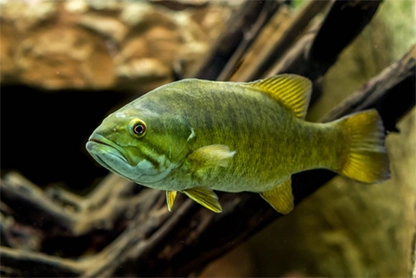
Smallmouth bass fishing transforms during spring's warming trend. Pre-spawn fish stage in 8-15 feet of water near spawning areas, feeding aggressively to build energy reserves. Water temperatures of 55-60°F trigger peak pre-spawn activity, typically occurring from mid-April through early May on most Indiana systems. Fish become extremely territorial and will aggressively strike streamers presented near potential nesting sites. Feeding patterns shift throughout the day:- Early morning: Aggressive surface feeding on emerging insects
- Midday: Structure-oriented feeding on crayfish and baitfish
- Evening: Shallow water ambush feeding near cover
Brown Trout
Wild and stocked brown trout populate several Indiana streams, with spring providing excellent opportunities as fish recover from winter's stress. These fish respond well to natural presentations matching available forage. The Indiana DNR stocks several streams with catchable-sized browns, supplementing wild populations that have established naturally.06Techniques That Produce
High Water Strategies
Spring runoff creates challenging but productive conditions. Fish concentrate in slower water near banks and in slack-water areas behind structure. Use heavier flies and shorter leaders to maintain control in fast current. Effective high water approaches:- Tight-line nymphing maintains contact in heavy current
- Downstream presentations allow better line control
- Weighted streamers get down quickly in fast water
- Short casts improve accuracy and control
Clear Water Tactics
As spring progresses and water clears, presentation becomes critical. Fish in clear water spook easily, requiring longer leaders and more natural presentations. Key adjustments for clear conditions:- Longer leaders: 12-15 feet for selective fish
- Lighter tippets: 5X-6X for wary trout, 3X-4X for bass
- Upstream approaches: Stay below fish when possible
- Natural drifts: Minimize drag on all presentations
Temperature-Based Approaches
Water temperature dictates fish behavior and feeding patterns. Use a thermometer to make tactical decisions on the water. Temperature-specific strategies:- Below 45°F: Slow, deep presentations with minimal action
- 45-55°F: Moderate retrieve speeds, focus on structure
- Above 55°F: Aggressive presentations, surface activity increases
07Local Intel
"Spring fishing in Indiana is all about timing the transitions. When water temps hit that magic 50-degree mark, everything changes in 24 hours."
Weather Windows
Indiana's spring weather creates distinct fishing opportunities. Stable high pressure systems produce the clearest water and most predictable hatches. Approaching fronts often trigger aggressive feeding behavior 12-24 hours before arrival. Monitor barometric pressure for optimal timing:- Rising pressure: Stable conditions, consistent feeding patterns
- Falling pressure: Aggressive feeding before weather changes
- Rapid drops: Shutdown conditions, fish go deep
Timing Seasonal Peaks
Each species has specific windows of peak activity. Steelhead runs peak during the third week of April on average, but can shift earlier or later based on winter severity and spring temperatures. Smallmouth bass pre-spawn activity occurs when water temperatures stabilize in the 55-60°F range for three consecutive days. This typically happens between April 20-30 on most Indiana waters.Lesser-Known Opportunities
Several smaller streams provide excellent fishing with minimal pressure. Bean Creek in St. Joseph County offers good brown trout fishing, while Pigeon Creek near Evansville holds surprising smallmouth populations. Urban fishing opportunities exist throughout the state. The Indianapolis canal system holds bass and occasional trout, while Fort Wayne's rivers provide diverse fishing within city limits.08Gear Checklist
Rod Selection
Spring conditions demand versatility. A 9-foot 5-weight covers most situations effectively, handling everything from size 18 nymphs to size 2 streamers. Recommended rod lineup:- Primary: 9' 5-weight fast action for versatility
- Specialty: 8'6" 4-weight for small stream work
- Heavy duty: 9' 6-weight for big streamers and wind
Line Systems
Spring's variable conditions require multiple line options. Weight-forward floating lines handle most situations, but sinking tips excel during high, fast water periods. Essential line selection:- WF5F: Primary floating line for dry flies and nymphs
- Sink-tip: Type III for deep pools and fast current
- Intermediate: Slow-sinking line for lake fishing
Wading Gear
Water temperatures range from near-freezing to comfortable during the spring window. Insulated waders provide safety and comfort during the cold early season, while lighter options work for May fishing.- 5mm neoprene waders for early season (March-April)
- Breathable waders for warming conditions (May)
- Studded boots for algae-covered rocks
- Wading staff for high water safety
Accessories
Spring fishing requires preparation for changing conditions. Pack layers and rain gear for variable weather patterns. Must-have accessories:- Waterproof thermometer for temperature readings
- Multiple fly boxes organized by technique
- Leader wallet with 4X-6X tippet material
- Polarized sunglasses for sight fishing
- Headlamp for early/late fishing
- First aid kit for remote area fishing
09Regulations & Conservation
License Requirements
Indiana requires a valid fishing license for all anglers 18 and older. A trout/salmon stamp is mandatory when targeting salmonids anywhere in the state. Resident licenses cost $17 annually, while non-resident licenses run $35. The trout stamp adds $7 to either license type and supports habitat improvement projects.Special Regulations
Several waters have specific regulations designed to protect spawning fish and maintain quality fishing experiences. Key regulatory areas:- Lake Michigan tributaries: Seasonal closures protect spawning steelhead
- Designated trout streams: Special bag and size limits apply
- Urban impoundments: May have specific gear restrictions
Catch and Release Ethics
Spring represents a vulnerable time for many species as they concentrate for spawning activities. Practice selective harvest and consider releasing fish to maintain population health. Trout Unlimited advocates for responsible angling practices that ensure sustainable fisheries for future generations. Their local chapters throughout Indiana provide habitat improvement and conservation education opportunities. Best practices for spring fishing:- Use barbless hooks to minimize handling stress
- Keep fish in the water during photography
- Avoid fishing over spawning beds
- Practice proper fish handling techniques
- Support habitat conservation organizations
10Sources & References
- Indiana Department of Natural Resources - Fish and Wildlife Division - Official fishing regulations, stocking reports, and license information
- USGS Indiana Water Resources - Real-time stream flow and temperature data for Indiana waters
- Trout Unlimited - Conservation advocacy and habitat improvement resources
- National Weather Service Northern Indiana - Weather forecasts and conditions affecting fishing
- Indiana State Parks - Access information for park waters and facilities
- Indiana Anglers Directory - Local fishing guides and resource information
- NOAA Great Lakes Water Levels - Lake Michigan level data affecting tributary fishing
- Purdue University Fisheries Extension - Research-based fishing and habitat management information
Top Spring flies for Indiana
Ranked by how often they show up in this season's reports.
Waters in Indiana 18 to fish
- Big Pine Creekcreek
- Blue River (Southern Indiana)river
- Brookville Tailwaterriver
- Eel River (Northern Indiana)river
- Fawn Riverriver
- Lake Michigan (Indiana Shoreline)lake
- Laughery Creekcreek
- Mississinewa Riverriver
- Patoka Lakelake
- Pigeon River (Northeastern Indiana)river
- Salamonie Riverriver
- St. Joseph River (South Bend)river
- Sugar Creek (Parke County)creek
- Tippecanoe Riverriver
- Turkey Creek (LaGrange County)creek
- Wabash Riverriver
- White River (West Fork)river
- Wildcat Creek (North Fork)creek
Fly shops nearby
Local flies, current advice and guided trips.
Read before you go
Pennsylvania July Fly Fishing: Summer Hatches & Prime Streams
Pennsylvania's July fly fishing peaks with terrestrials, sulphurs, and tricos. Top streams include Penns Creek, Yellow Breeches, and Delaware. Expert guide.
Washington December Fly Fishing: Winter Steelhead & Trout Guide
December fly fishing in Washington delivers prime winter steelhead and surprising trout action. Discover top rivers, proven flies, and winter tactics.
Fly Fishing Grand Teton National Park – Where to Go & What to Expect
New Zealand South Island Fly Fishing: Trout Paradise Guide
Discover New Zealand's South Island trout fishing paradise with expert tips on legendary waters, trophy fish, and essential techniques for success.
September Fly Fishing in California: Prime Rivers & Hatch Guide
September brings ideal fly fishing conditions to California's rivers. Get insider tips on top waters, emerging hatches, and essential flies for peak season.
Mountain Whitefish Fishing in Wyoming
Need gear or a guide?
Find fly shops near Indiana's best spring waters for local flies, advice and guided trips.