
Fall in Iowathe fly fishing guide
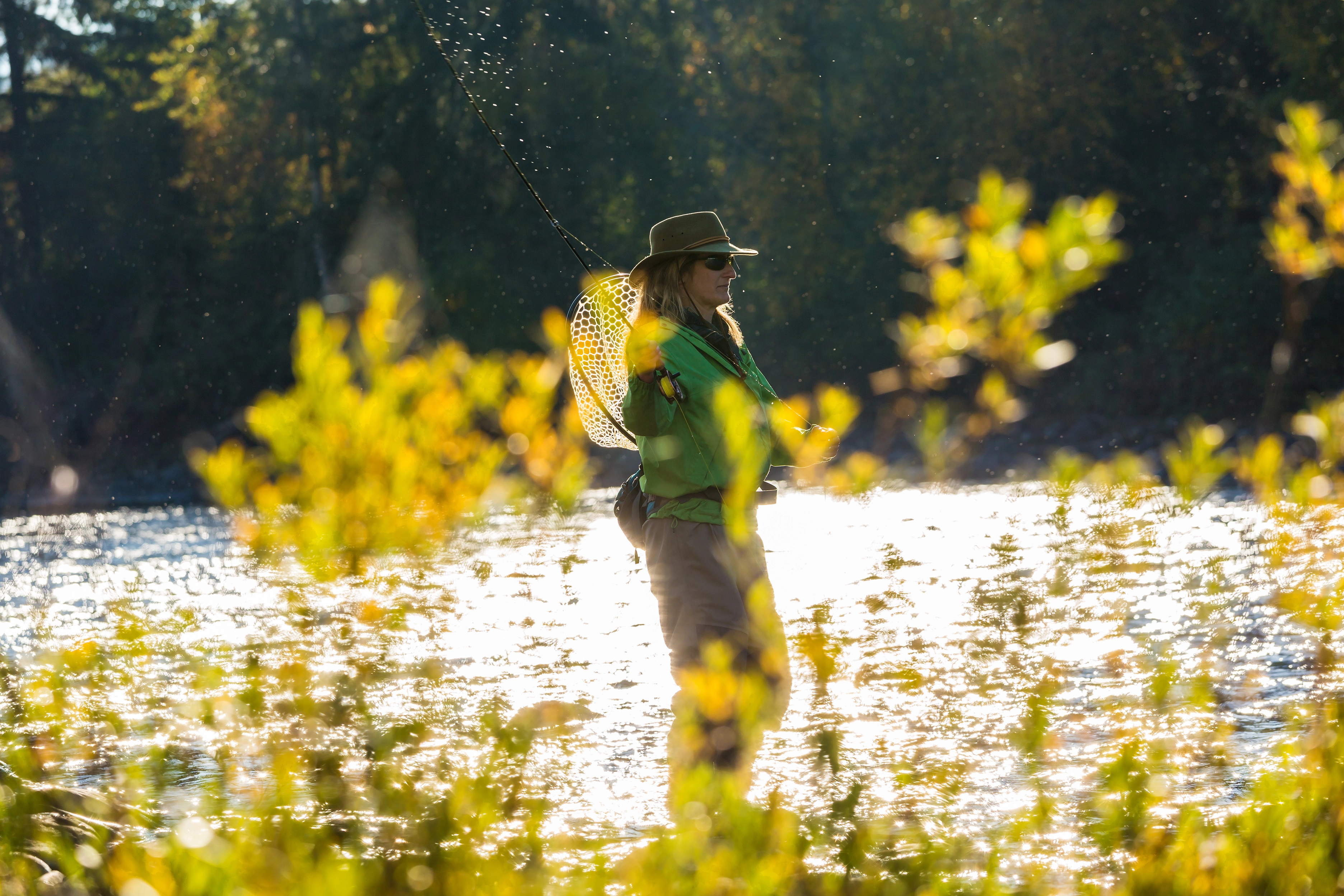
01The Fall Window
September through November transforms Iowa's waterways into some of the Midwest's most productive fly fishing destinations. Water temperatures drop from summer highs of 75°F to a crisp 45-50°F by late November, triggering aggressive feeding behavior in both warm and coldwater species. The Iowa Department of Natural Resources reports peak brown trout activity during this window, particularly in the northeast Driftless Area streams where consistent 55°F spring water creates ideal conditions.02Reading the Water: Fall Conditions
Temperature Patterns
- September: Water temps 65-70°F, triggering terrestrial feeding and late-season mayfly hatches
- October: 55-65°F range activates predatory fish and extends feeding windows throughout the day
- November: 45-55°F creates prime conditions for trophy fish movement
Flow Conditions
Fall flows stabilize after summer drawdowns. USGS gauge data shows the Upper Iowa River typically runs 200-400 CFS during fall, ideal for wading and sight fishing. The Yellow River maintains consistent flows of 15-25 CFS through its managed trout sections."Fall flows give you the clearest water and most predictable fish behavior of the year. Browns that hide all summer come out to feed." — Veteran Iowa guide
Weather Patterns
- Morning frost becomes common by mid-October, creating excellent midge hatches
- Stable high pressure systems provide extended fishing windows
- Cold fronts trigger feeding frenzies 12-24 hours before arrival
- Overcast days produce better surface activity than bright conditions
03The Fly Box: Essential Fall Patterns
Terrestrials (September - Early October)
- Parachute Ant: Size 16-18 in black, essential for September brown trout
- Foam Beetle: Size 14-16, produces aggressive strikes along undercut banks
- Chubby Chernobyl: Size 12-14, effective hopper imitation through early October
- Cricket: Size 14-16 in black, deadly on Turkey River smallmouth
Emerging Patterns (October - November)
- Blue Winged Olive: Size 18-20, matches BWO hatches on overcast afternoons
- Pheasant Tail Nymph: Size 16-18, year-round producer in all Iowa streams
- Zebra Midge: Size 18-22 in black or red, essential for tailwater sections
- RS2: Size 18-20, effective emerger pattern during BWO activity
Streamers (Peak Season)
- Woolly Bugger: Size 6-10 in olive or black, strips well for predatory species
- Sculpin Pattern: Size 4-6, matches native baitfish in limestone streams
- Zonker: Size 6-8 in white or yellow, effective for northern pike
- Clouser Minnow: Size 4-8, versatile pattern for multiple species
04Prime Waters
Driftless Region Streams
The Yellow River through Yellow River State Forest offers Iowa's premier trout fishing. Spring-fed water maintains 52-56°F year-round, supporting reproducing populations of brown trout and stocked rainbow trout. Access points include:- Paint Creek Unit: 2.5 miles of catch-and-release water with 14-inch minimum
- French Hollow: Easy access parking with wheelchair-accessible platform
- Ion Bridge: Deeper pools holding trophy browns up to 18 inches
Warm Water Rivers
The Turkey River produces excellent smallmouth bass fishing through November. Target rocky riffles and deeper pools where water temperatures hover around 55°F. Key access points:- Elkader: Public access below mill dam, productive for trophy smallmouth
- Volga River State Park: Wadeable sections with consistent smallmouth populations
- Garber: Lower river access with mixed species including walleye
Big Water Options
Rathbun Lake transitions to fall patterns by October. Focus on shallow bays and creek mouths where crappie and bluegill concentrate. The north arm consistently produces fish on small streamers and nymphs.05Species in Focus
Brown Trout Peak Season
Brown trout enter prime feeding mode as water temperatures drop below 60°F. Fish become increasingly aggressive, with peak activity occurring:- Morning: 8:00-10:00 AM during overcast conditions
- Evening: 5:00-7:00 PM as light fades
- All day: During stable weather with light rain
- Feeding behavior: Opportunistic surface feeding on terrestrials through September, subsurface focus on nymphs October-November
Smallmouth Bass Aggression
Smallmouth bass feed heavily through November, building energy reserves for winter. Target structure and current breaks:- Prime locations: Rocky ledges, fallen timber, bridge abutments
- Best times: Mid-morning through afternoon during warm spells
- Preferred patterns: Streamers stripped aggressively, crayfish imitations
- Size range: Iowa rivers regularly produce 12-16 inch fish, with 18+ inch trophies possible
Northern Pike Opportunities
Northern pike in the Mississippi River backwaters become active predators as baitfish concentrate. Focus on:- Locations: Weed edges, shallow bays, creek mouths
- Techniques: Large streamers with wire leaders
- Peak times: Early morning and late afternoon
- Size potential: 24-36 inch fish common in Pool 9 and 10
06Techniques That Produce
Nymphing Approaches
Fall nymphing requires precise depth control as fish move to deeper wintering areas:- High-stick nymphing: Maintain contact with flies in 2-4 foot depths
- Weight adjustment: Add split shot 12 inches above fly to reach bottom quickly
- Strike indicators: Use in faster water; go without in slow pools
- Drift technique: Follow natural current lanes, mend to prevent drag
Streamer Strategies
Aggressive streamer fishing produces the largest fish of the season:- Strip patterns: Vary retrieval speed—fast strips followed by pauses
- Cross-current swings: Let current work the fly naturally
- Bank fishing: Cast tight to structure, work systematically downstream
- Equipment: 6-weight rod minimum for large streamers and fish
Dry Fly Presentations
Surface opportunities remain productive through October:- Terrestrial placement: Cast within 6 inches of bank structure
- Emerger fishing: Fish patterns in the film during BWO hatches
- Mending technique: Upstream mends to extend natural drift
- Leader setup: 12-foot leaders with 5X-6X tippet for spooky fish
07Local Intel
Timing Secrets
- Barometric pressure: Falling pressure 24 hours before storms triggers feeding
- Water clarity: Slight stain after rain often improves success rates
- Temperature breaks: First frost dates typically produce banner days
- Lunar influence: New moon phases often coincide with increased night feeding
Lesser-Known Spots
- Maquoketa River: Overlooked warm water fishery with excellent smallmouth bass populations above Monticello
- Bloody Run Creek: Small tributary to Upper Iowa River with native brook trout
- Waterloo Creek: Spring-fed tributary with consistent trout populations
- Private access options: Several outfitters offer guided trips on posted water
Weather Windows
- Indian Summer days: 70°F+ air temperatures in October create exceptional surface activity
- Light rain periods: Increase terrestrial availability and reduce fishing pressure
- Overcast conditions: Extend productive fishing hours throughout the day
- Cold front preparation: Fish feed aggressively 12-18 hours before arrival
08Gear Checklist
Rod and Reel Setup
- Trout streams: 4-weight, 8'6" rod for precision casting in tight quarters
- Warm water rivers: 6-weight, 9' rod for streamers and larger fish
- Big water: 7-weight for wind and large flies on Mississippi backwaters
- Reel specifications: Smooth drag system, capacity for 100 yards of backing
Line Selection
- Weight-forward floating: Primary choice for 80% of fall fishing situations
- Sink-tip lines: 10-foot sink-tip for deeper pools and streamer fishing
- Leaders: 9-12 foot tapered leaders, 4X-6X tippet material
- Strike indicators: Thingamabobber or yarn indicators for nymph fishing
Wading Equipment
- Breathable waders: Essential as water temperatures drop below 60°F
- Wading boots: Felt or rubber soles depending on stream substrate
- Wading staff: Recommended for unfamiliar water and higher flows
- Safety equipment: Whistle, flashlight, and first aid supplies
Accessories
- Fly boxes: Waterproof compartmentalized boxes for organized storage
- Nippers: Sharp cutters for clean tippet cuts
- Forceps: Long-nose pliers for hook removal
- Net: Rubber-coated to protect fish and prevent fly snags
- Thermometer: Stream temperature monitoring for hatch predictions
09Regulations & Conservation
License Requirements
Iowa requires a valid fishing license for all anglers 16 and older. Current license fees include:- Annual resident: $22.50
- Annual non-resident: $48.50
- Trout stamp: Additional $14.50 required for designated trout waters
- 3-day non-resident: $20.50 plus trout stamp if applicable
Special Regulations
- Yellow River State Forest: Catch-and-release only with 14-inch minimum on designated sections
- Artificial lures only: Required on all designated trout waters
- Possession limits: 5 trout daily, 10 in possession on general waters
- Seasonal closures: Some sections close April 1-May 15 for spawning protection
Conservation Practices
- Catch and release: Recommended for all wild trout to maintain populations
- Barbless hooks: Required on catch-and-release sections, recommended elsewhere
- Proper handling: Wet hands before handling fish, minimize air exposure
- Habitat protection: Stay on designated paths, pack out all trash
"The future of Iowa trout fishing depends on every angler practicing ethical, conservation-minded approaches. These fish are a shared resource." — Trout Unlimited
10Sources & References
- Iowa Department of Natural Resources - Fishing Division - Official regulations, stocking reports, and access information
- USGS Iowa Water Resources - Real-time stream flow and temperature data
- Iowa DNR Trout Fishing Guide - Detailed information on designated trout waters
- Trout Unlimited - Conservation initiatives and habitat restoration projects
- National Weather Service Des Moines - Weather forecasts and river condition updates
- Yellow River State Forest - Park information and trout stream access details
- Upper Mississippi River National Fish and Wildlife Refuge - Regulations and access for Mississippi River fishing
- Iowa DNR Fishing Reports - Current conditions and recent catch reports
Top Fall flies for Iowa
Ranked by how often they show up in this season's reports.
Waters in Iowa 6 to fish
Fly shops nearby
Local flies, current advice and guided trips.
Read before you go
Pennsylvania July Fly Fishing: Summer Hatches & Prime Streams
Pennsylvania's July fly fishing peaks with terrestrials, sulphurs, and tricos. Top streams include Penns Creek, Yellow Breeches, and Delaware. Expert guide.
Pennsylvania October Fly Fishing: Fall Trout & Prime Rivers Guide
October fly fishing in Pennsylvania offers exceptional trout opportunities. BWO hatches, fall colors, and active fish on Penns Creek, Delaware River, and Kettle Creek.
Washington December Fly Fishing: Winter Steelhead & Trout Guide
December fly fishing in Washington delivers prime winter steelhead and surprising trout action. Discover top rivers, proven flies, and winter tactics.
New Zealand South Island Fly Fishing: Trout Paradise Guide
Discover New Zealand's South Island trout fishing paradise with expert tips on legendary waters, trophy fish, and essential techniques for success.
September Fly Fishing in California: Prime Rivers & Hatch Guide
September brings ideal fly fishing conditions to California's rivers. Get insider tips on top waters, emerging hatches, and essential flies for peak season.
Mountain Whitefish Fishing in Wyoming
Need gear or a guide?
Find fly shops near Iowa's best fall waters for local flies, advice and guided trips.