
Fall in Massachusettsthe fly fishing guide
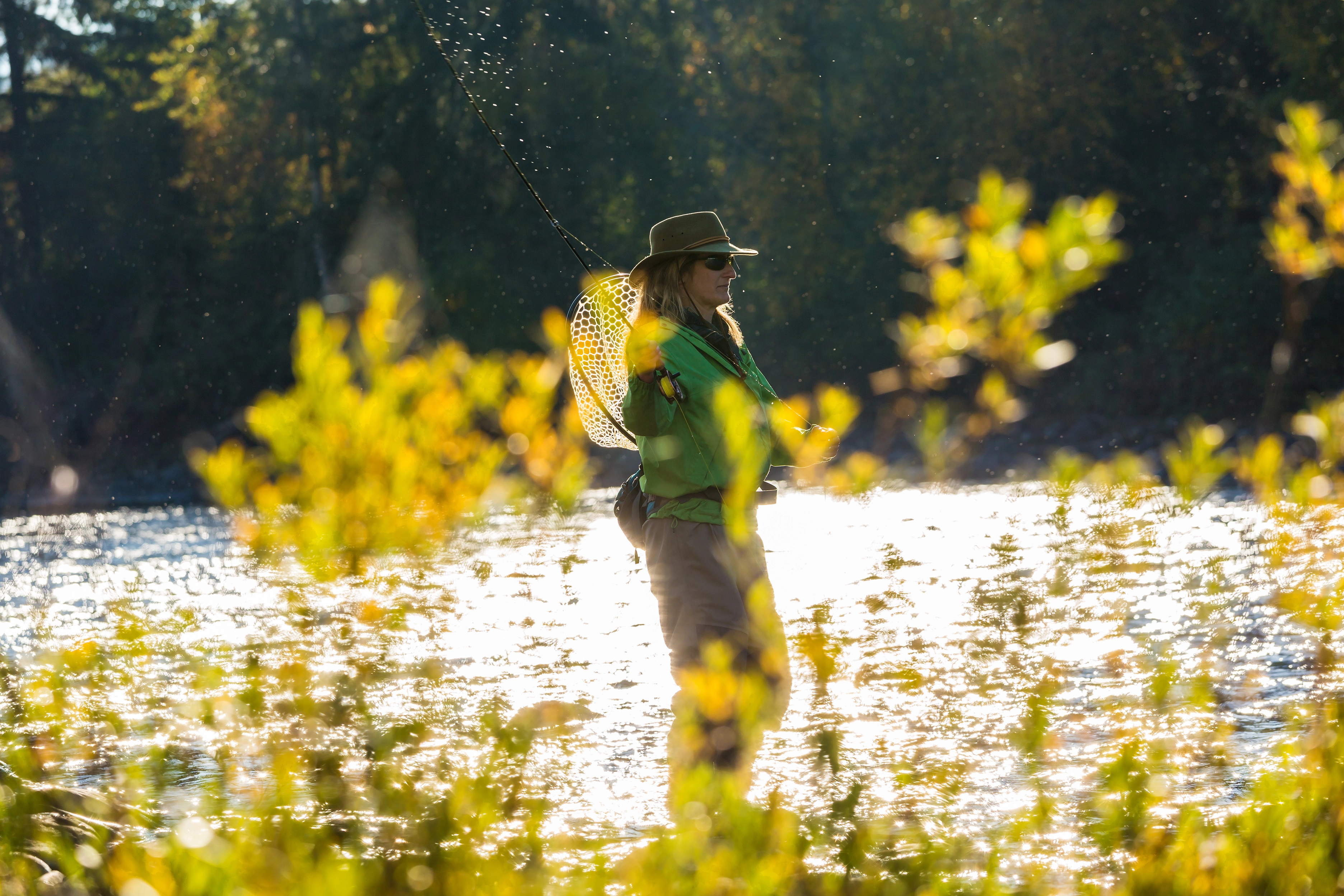
01The Fall Window
October mornings arrive with a bite that signals the season's shift. Water temperatures drop from summer's 70°F peaks to the mid-50s, triggering aggressive feeding patterns that make fall Massachusetts fly fishing exceptional. USGS stream gauges show stabilizing flows after summer's variable conditions, while the first frosts push terrestrial insects toward the water. The Commonwealth's diverse waters offer something for every angler during the fall transition. From the technical dry fly fishing on the swift Deerfield River to the streamer action for landlocked salmon in Quabbin Reservoir, fall presents optimal conditions across multiple fisheries. Water clarity improves as summer algae blooms fade, and fish transition from summer lethargy to pre-winter feeding binges.02Reading the Water: Fall Conditions
Temperature and Flow Patterns
September through November brings Massachusetts waters through distinct phases. Early fall maintains water temperatures in the 60-65°F range, with active mayfly and caddisfly hatches. By late October, temperatures drop to the critical 50-55°F zone where brook trout and brown trout become increasingly aggressive.- September: Water temps 60-70°F, consistent flows, active terrestrial fishing
- October: Temps drop to 55-65°F, peak streamer season begins
- November: Temps 45-55°F, pre-spawn feeding, technical presentations required
Seasonal Hatch Schedule
Fall hatches in Massachusetts follow predictable patterns tied to water temperature and daylight hours. The Massachusetts Division of Fisheries and Wildlife documents consistent emergence windows across the state's premier trout waters.- Blue-Winged Olives (Baetis): #16-20, best on overcast days between 11 AM and 3 PM
- October Caddis: #8-12, evening emergences through early October
- Midges: #18-24, consistent throughout fall, especially important by November
- Terrestrials: Ants, beetles, and grasshoppers remain active until first hard frost
"Fall fishing is about reading the subtle signs — the first yellow leaves mean terrestrial season is winding down, but the real streamer fishing is just beginning."
03The Fly Box: Essential Fall Patterns
Dry Flies
Massachusetts fall dry fly fishing peaks during the reliable Blue-Winged Olive hatches. Guides consistently recommend carrying multiple BWO patterns in sizes 16-20, with darker variants performing better on bright days.- Blue-Winged Olive: #16-20, CDC wings essential for Massachusetts spring creeks
- Adams: #14-18, workhorse pattern for general prospecting
- Ant Pattern: #14-16, black and cinnamon, deadly through mid-October
- Elk Hair Caddis: #12-16, tan and olive bodies for October emergences
Nymphs and Wet Flies
Subsurface patterns dominate fall fishing as aquatic insects prepare for winter. Weight selection becomes critical as flows drop and fish hold in deeper pools.- Pheasant Tail Nymph: #14-18, tungsten beads for Massachusetts pocket water
- Hare's Ear Nymph: #12-16, gold ribbing, essential for freestone streams
- Prince Nymph: #12-16, white wings show well in tannic water
- Copper John: #14-18, fast-sinking attractor for deep pools
Streamers
Fall streamer fishing becomes increasingly productive as water temperatures drop. Large brown trout and landlocked salmon actively hunt baitfish preparing for winter.- Woolly Bugger: #6-10, olive and black, Massachusetts staple pattern
- Clouser Minnow: #6-8, chartreuse/white for reservoir fishing
- Muddler Minnow: #6-10, tan and brown, perfect for sculpin imitations
- Zonker: #4-8, white and olive, deadly for big fish
04Prime Waters
Deerfield River
The Deerfield River offers Massachusetts' premier fall trout fishing. Controlled releases from upstream dams maintain consistent flows around 200-300 CFS, ideal for wade fishing. The Charlemont section provides technical pocket water fishing, while the Buckland area offers classic riffle-pool sequences.- Access: Route 2 parallels the river with multiple pulloffs
- Peak Times: 9 AM to 3 PM during BWO hatches
- Target Species: Wild and stocked browns, rainbows, occasional brookies
- Tactics: High-stick nymphing in pocket water, dry flies during hatches
Housatonic River
The Housatonic River provides diverse fall fishing from the New York border through the Berkshires. The regulated Trophy Trout area from the Stockbridge Bowl dam downstream offers exceptional brown trout fishing, while the lower reaches hold quality smallmouth bass.- Regulations: Artificial lures only, 12-inch minimum, 2-fish limit in Trophy section
- Best Access: Stockbridge town beach, Glendale Road bridge
- Fall Patterns: Streamers at dawn and dusk, BWOs during midday
Quabbin Reservoir
Quabbin Reservoir transforms during fall as landlocked salmon move shallow to feed on smelt. Shore fishing becomes productive along the spillway and accessible coves, with peak action occurring during October's cooler mornings.- Target Depths: 10-20 feet during October, 5-15 feet in November
- Prime Areas: Spillway, Pelham Cove, areas near tributaries
- Effective Patterns: Smelt imitations, large streamers, sinking lines essential
Westfield River
The Westfield River system offers excellent fall brook trout fishing in its upper reaches. The West Branch provides classic New England freestone fishing, while the main stem holds larger brown trout and some smallmouth bass.- Brook Trout Waters: Above Huntington, small stream tactics
- Mixed Species: Below Russell, streamers and nymphs
- Access: Route 20 and local roads, respect private property
05Species in Focus
Brook Trout
Fall marks peak season for Massachusetts brook trout as spawning approaches. Native populations in the Westfield, Deerfield, and smaller tributaries become increasingly aggressive, feeding heavily before winter. Water temperatures between 50-60°F trigger optimal feeding behavior.- Prime Time: Early morning and late afternoon
- Preferred Patterns: Small nymphs (#14-18), terrestrials, tiny streamers
- Locations: Headwater streams, cold-water tributaries, spring-fed areas
- Behavior: Territorial, responding well to accurate presentations in pocket water
Brown Trout
Brown trout dominate Massachusetts fall fishing as pre-spawn feeding intensifies. Larger fish become active during low-light periods, making dawn and dusk prime times. The state's fishing regulations protect spawning fish in some areas during late fall.- Peak Activity: September through mid-November
- Effective Techniques: Streamer fishing, deep nymphing, large dry flies
- Size Range: 12-18 inches common, 20+ inches possible in premium waters
- Feeding Windows: Dawn (5:30-8:00 AM), dusk (6:00-dark)
Landlocked Salmon
Landlocked salmon in Quabbin and Wachusett reservoirs provide Massachusetts' most exciting fall fishing. As water temperatures drop, these fish move from deep summer haunts to shallow feeding areas, becoming accessible to shore-based fly anglers.- Temperature Triggers: Most active when water drops below 60°F
- Prime Locations: Rocky points, tributary mouths, spillway areas
- Tactics: Fast-stripped streamers, sinking lines, early morning best
- Size: 14-20 inches typical, occasional fish exceeding 24 inches
06Techniques That Produce
Streamer Tactics
Fall streamer fishing requires adapting retrieve speeds to water temperature. As temperatures drop from September's 65°F to November's 50°F, slowing retrieves becomes essential. The strip-and-pause technique proves most effective, allowing streamers to drop between strips.- Early Fall (60°F+): Fast strips, erratic action, bright patterns
- Mid-Fall (55-60°F): Moderate strips, pause between, natural colors
- Late Fall (50-55°F): Slow strips, long pauses, dark patterns
- Equipment: 6-7 weight rods, sink-tip lines, 1x-3x leaders
Nymphing Approaches
Massachusetts pocket water demands precise nymphing techniques. The state's freestone streams require weight adjustments as flows drop through fall. High-stick nymphing proves most effective in the technical water found on the Deerfield and upper Westfield systems.- Weight Selection: Tungsten beads essential for fast pocket water
- Leader Setup: 9-12 foot leaders, 4x-6x tippet depending on water clarity
- Drift Management: Short drifts, constant line control, minimal drag
- Strike Detection: Watch leader tip, feel for subtle stops
Dry Fly Presentations
BWO hatches demand precise presentations on Massachusetts spring creeks and slower pools. Fish become selective during consistent hatches, requiring exact imitations and drag-free drifts.- Timing: Overcast days best, 11 AM to 3 PM peak window
- Approach: Upstream presentations, long leaders (12-15 feet)
- Pattern Selection: Match size exactly, darker colors on bright days
- Line Management: Reach casts, stack mends, minimal false casting
07Local Intel
Timing Windows
Massachusetts fall fishing success depends heavily on timing daily and seasonal windows correctly. Local guides consistently report peak action during specific weather patterns and water conditions.- Barometric Pressure: Falling pressure triggers feeding, rising pressure slows activity
- Cloud Cover: Overcast days extend feeding windows, bright sun concentrates activity early/late
- Water Releases: Monitor dam releases on controlled rivers like the Deerfield
- Temperature Drops: 5-degree drops in 24 hours often trigger exceptional fishing
Lesser-Known Opportunities
Beyond the famous waters, Massachusetts offers hidden fall fishing opportunities that locals guard carefully. Small tributaries and urban fisheries provide surprising quality when conditions align.- Ipswich River: Coastal brook trout runs, September through October
- Nashua River: Quality smallmouth bass, October peak
- Parker River: Striped bass on flies, September-November
- Tributary Streams: Unnamed brooks often hold wild brookies
Weather Patterns
Fall weather drives fishing success more than any other season. Understanding how New England weather patterns affect fishing becomes critical for consistent results.- Cold Fronts: Pre-front feeding, post-front slow periods
- Warm Spells: Indian summer can shut down trout fishing
- First Frost: Eliminates terrestrials, concentrates fish on aquatics
- Rain Events: Small increases improve fishing, major flows hurt
08Gear Checklist
Rods and Reels
Fall Massachusetts fishing demands versatility. A 5-weight handles most trout situations, while a 6-weight provides better streamer control. Reservoir fishing may require 7-weight rods for distance and wind penetration.- Primary Rod: 9-foot 5-weight for general trout fishing
- Secondary Rod: 9-foot 6-weight for streamers and wind
- Reel: Large arbor with smooth drag, capacity for backing
- Spare Spool: Sink-tip line for streamer fishing
Lines and Leaders
Line selection becomes critical as conditions vary from technical spring creek fishing to reservoir work. Carrying multiple line types allows adapting to daily conditions.- Floating Line: Weight-forward taper, light color for dry flies
- Sink-Tip Line: Type 3 sink rate for streamers
- Leaders: 9-12 foot tapered, 4x-6x tippet material
- Tippet: Fluorocarbon for subsurface, monofilament for dry flies
Essential Accessories
Fall conditions require specific gear for safety and success. Water temperatures drop significantly, making hypothermia a real concern for wading anglers.- Waders: Breathable chest waders with good traction
- Wading Staff: Essential for unfamiliar water and slippery rocks
- Net: Rubber bag to protect fish, wooden frame
- Forceps: Long-nose for hook removal
- Thermometer: Monitor water temperature for pattern selection
- Headlamp: Early/late fishing requires quality lighting
09Regulations & Conservation
Massachusetts fishing regulations include specific provisions affecting fall fishing. The Massachusetts Division of Fisheries and Wildlife maintains detailed regulations covering license requirements, size limits, and special area restrictions.License Requirements
- Resident License: Required for Massachusetts residents age 15 and older
- Non-Resident License: Required for out-of-state anglers
- Trout Stamp: Additional stamp required for trout fishing
- Valid Period: January 1 through December 31
Special Regulations
Several Massachusetts waters carry special regulations that affect fall fishing strategies and gear selection.- Artificial Lures Only: Many premium trout waters restrict bait fishing
- Catch and Release: Some areas mandate release of all trout
- Size Limits: Minimum lengths vary by water body
- Seasonal Closures: Some streams close during spawning periods
Conservation Practices
Trout Unlimited and local conservation groups emphasize proper fish handling techniques, especially during fall when many species prepare for winter or spawning.- Barbless Hooks: Reduce fish injury and handling time
- Proper Handling: Wet hands, minimize air exposure
- Water Temperature: Avoid fishing when water exceeds 70°F
- Spawning Areas: Stay away from redds and spawning fish
10Sources & References
- Massachusetts Division of Fisheries and Wildlife - Official state fishing regulations, stocking reports, and species management information
- USGS Water Resources Massachusetts - Real-time stream flow data and historical water conditions
- Trout Unlimited - Conservation information and stream restoration projects in Massachusetts
- Massachusetts Freshwater Fishing Regulations - Complete current regulations including special area rules
- National Weather Service Boston - Weather forecasts and conditions affecting fishing success
- Massachusetts Fishing License Information - License requirements and purchasing options
- Mass Audubon - Natural history information and seasonal wildlife patterns
- Silvio O. Conte National Fish and Wildlife Refuge - Connecticut River watershed information and access
Top Fall flies for Massachusetts
Ranked by how often they show up in this season's reports.
Waters in Massachusetts 18 to fish
- Cape Cod Canalriver
- Charles Riverriver
- Connecticut Riverriver
- Deerfield Riverriver
- French Riverriver
- Housatonic Riverriver
- Ipswich Riverriver
- Manhan Riverriver
- Millers Riverriver
- Nashua Riverriver
- Nissitissit Rivercreek
- Parker Riverriver
- Quabbin Reservoirlake
- Squannacook Riverriver
- Sudbury Riverriver
- Wachusett Reservoirlake
- Ware Riverriver
- Westfield Riverriver
Fly shops nearby
Local flies, current advice and guided trips.
Read before you go
Pennsylvania July Fly Fishing: Summer Hatches & Prime Streams
Pennsylvania's July fly fishing peaks with terrestrials, sulphurs, and tricos. Top streams include Penns Creek, Yellow Breeches, and Delaware. Expert guide.
Pennsylvania October Fly Fishing: Fall Trout & Prime Rivers Guide
October fly fishing in Pennsylvania offers exceptional trout opportunities. BWO hatches, fall colors, and active fish on Penns Creek, Delaware River, and Kettle Creek.
Washington December Fly Fishing: Winter Steelhead & Trout Guide
December fly fishing in Washington delivers prime winter steelhead and surprising trout action. Discover top rivers, proven flies, and winter tactics.
New Zealand South Island Fly Fishing: Trout Paradise Guide
Discover New Zealand's South Island trout fishing paradise with expert tips on legendary waters, trophy fish, and essential techniques for success.
September Fly Fishing in California: Prime Rivers & Hatch Guide
September brings ideal fly fishing conditions to California's rivers. Get insider tips on top waters, emerging hatches, and essential flies for peak season.
Mountain Whitefish Fishing in Wyoming
Need gear or a guide?
Find fly shops near Massachusetts's best fall waters for local flies, advice and guided trips.