
Summer in Michiganthe fly fishing guide
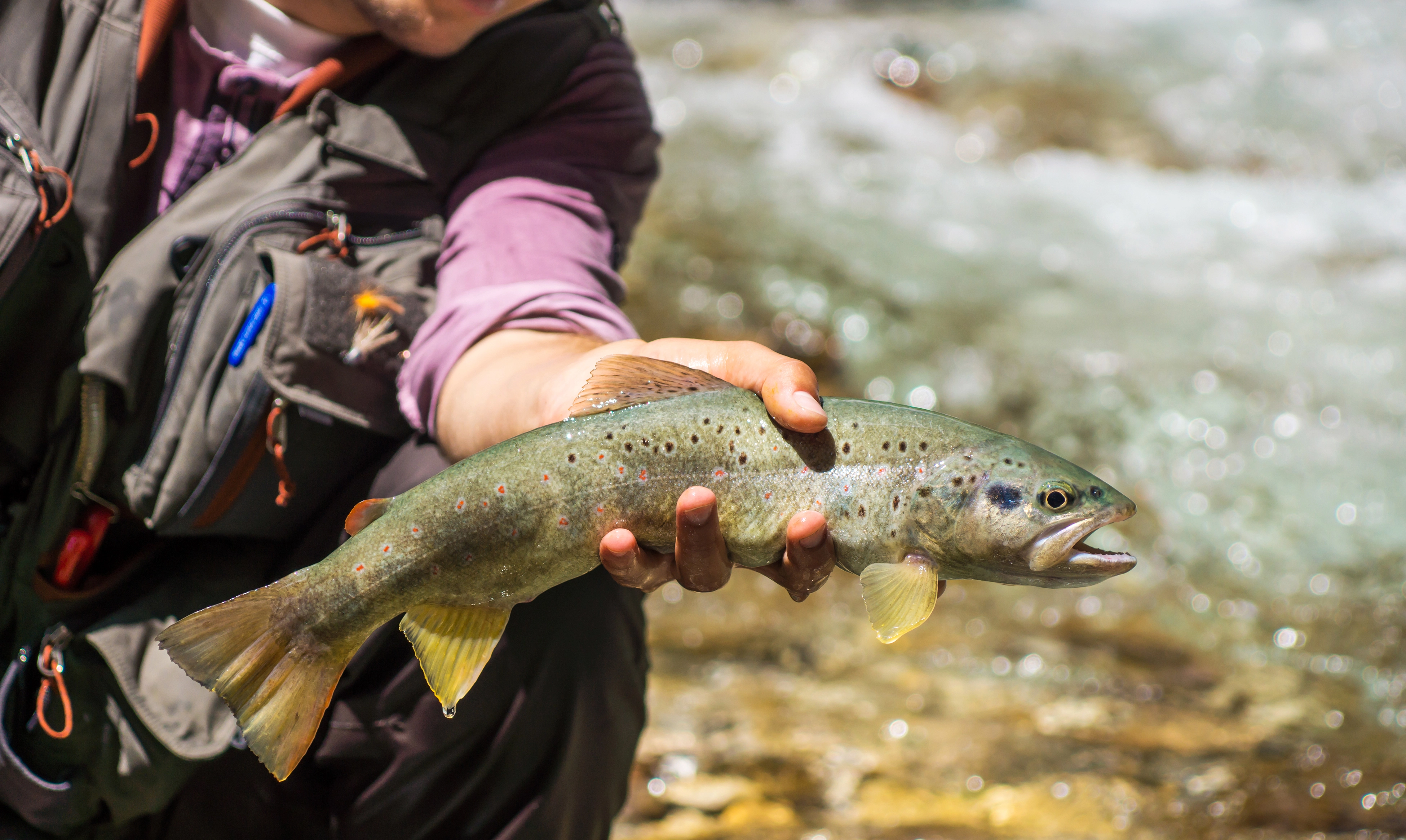
01The Summer Window
Summer fly fishing in Michigan offers a unique blend of warm-water action and persistent cold-water opportunities that few states can match. Water temperatures across the state's premier trout waters hover between 55-68°F from June through August, with northern streams like the Au Sable River maintaining the cooler end of that range while southern flows warm considerably. The extended daylight hours—up to 15 hours in late June—create epic evening hatches that bring both trout and warm-water species to the surface with predictable regularity. Michigan's diverse fishery truly shines during these months when brown trout become aggressive surface feeders, steelhead push into river mouths following baitfish, and smallmouth bass patrol rocky shoals with territorial intensity. The state's cold-water springs keep many streams fishable even during heat waves, while the Great Lakes moderate temperatures along coastal rivers.02Reading the Water: Summer Conditions
Flow and Temperature Patterns
Summer flows across Michigan's trout waters typically drop to 60-80% of spring levels, with USGS gauge data showing the most significant reductions on the Manistee and Muskegon Rivers by mid-July. The Au Sable maintains more consistent flows due to groundwater influence, rarely dropping below 400 CFS at Mio.- Peak fishing temperatures: 58-64°F for trout activity
- Warm-water threshold: Above 68°F triggers bass and pike feeding
- Critical temperature: 70°F+ requires fishing deeper pools and spring seeps
- Best fishing periods: Dawn to 10 AM, and 6 PM to dark
Major Hatch Calendar
Summer hatches in Michigan follow predictable windows, with timing varying by latitude and water temperature:- Hexagenia Limbata (Hex): Late June to mid-July, 8:30-10:30 PM on the Au Sable and Manistee
- Isonychia (Slate Drake): July through August, sporadic afternoon emergences
- Tricoptera (Caddis): Continuous through summer, peak activity at dusk
- Terrestrials: Ants and beetles from July onwards, peak effectiveness on windy days
- Trico Spinners: August mornings, typically 7-9 AM on slower water
03The Fly Box: Essential Summer Patterns
Dry Flies
Summer dry fly fishing in Michigan centers around matching abundant terrestrial activity and evening emergences:- Adams, sizes 12-16: Universal match for various mayflies, fish with 5X tippet
- Hex patterns, size 8: Essential for the famous Hexagenia hatch, use 3X tippet minimum
- Elk Hair Caddis, sizes 14-18: Effective throughout summer evenings
- Foam Ant, sizes 12-16: Deadly during windy conditions or after rainstorms
- Hoppers, sizes 8-12: Cast tight to banks from August onward
Nymphs and Streamers
Subsurface patterns become critical during midday heat when surface activity diminishes:- Pheasant Tail Nymph, sizes 14-18: Year-round producer, weight with split shot
- Woolly Bugger, sizes 6-10: Olive and black colors for trout, white for bass
- Copper John, sizes 14-16: Heavy nymph for fast pocket water
- Zonker, sizes 4-8: Strip through deeper pools for large brown trout
- Clouser Minnow, sizes 6-10: Excellent for smallmouth bass in rocky areas
04Prime Waters
Au Sable River System
The Au Sable River maintains optimal trout temperatures through summer thanks to numerous spring inputs. The Holy Water section below Mio provides consistent brown trout and brook trout fishing with water temperatures rarely exceeding 65°F.- Best access: McKinley Bridge, Stephan Bridge public sites
- Peak fishing: Evening Hex hatch from June 25-July 15
- Tactics: Long leaders (12+ feet) essential due to clear water and educated fish
- Species mix: 60% brown trout, 30% brook trout, 10% rainbow trout
Manistee River
Summer fishing on the Manistee River combines resident trout with seasonal steelhead runs. Water temperatures fluctuate more than the Au Sable but rarely exceed fishable limits.- Prime sections: CCC Bridge to Red Bridge for wade fishing
- Steelhead presence: Fish staging areas from July onward
- Recommended patterns: Large streamers (size 4-6) for aggressive summer steelhead
- Flow considerations: Monitor USGS gauge—optimal range 800-1200 CFS
Pere Marquette River
The Pere Marquette River offers Michigan's most diverse summer fishery, supporting healthy populations of multiple trout species plus seasonal salmon runs.- Upper river: Excellent brook trout fishing in cooler headwaters
- Middle section: Premier brown trout water with good terrestrial fishing
- Lower river: Steelhead and early Chinook salmon from mid-July
- Access points: Gleason's Landing, Indian Bridge, Scottville access sites
05Species in Focus
Brown Trout Behavior
Brown trout in Michigan's waters exhibit classic summer patterns, becoming increasingly nocturnal as temperatures rise. Peak feeding occurs during the first two hours after sunrise and the final hour before dark.- Feeding patterns: Surface activity from 7-9 PM, subsurface feeding during midday heat
- Preferred water: Deep pools, undercut banks, spring seeps
- Size expectations: 12-16 inch fish common, 18+ inch fish possible on large streamers
- Best techniques: Downstream presentations with drag-free drifts
Steelhead Summer Patterns
Summer steelhead behavior in Michigan focuses on thermal refugia and forage opportunities. Fish stage in river mouths and deep pools, making short feeding forays.- Prime timing: Early morning and late evening when water temperatures drop
- Feeding behavior: Aggressive strikes on stripped streamers
- Seasonal movement: Begin upstream migration during cooler weather periods
- Tackle requirements: 7-8 weight rods minimum for these powerful fish
Smallmouth Bass Opportunities
Smallmouth bass fishing peaks during summer months when water temperatures consistently reach 65-75°F. The Huron River and rocky sections of other systems provide excellent opportunities.- Habitat preferences: Rocky bottoms, current breaks, fallen timber
- Active feeding periods: Dawn, dusk, and overcast conditions
- Effective patterns: Poppers, Clouser minnows, woolly buggers
- Fighting characteristics: Spectacular aerial displays and strong runs
06Techniques That Produce
Hex Hatch Tactics
Michigan's legendary Hexagenia emergence requires specific techniques for success. These massive mayflies create feeding frenzies but also highly selective trout.- Timing precision: Arrive 30 minutes before expected emergence
- Fly presentation: Dead drift large patterns (size 8-10) with minimal false casting
- Line management: Use longer leaders (12-15 feet) to avoid spooking fish
- Sound discipline: Minimize wading noise during peak emergence
Summer Streamer Fishing
Streamer tactics become essential during midday periods when surface activity ceases. Focus on structure and deeper water.- Retrieve patterns: Vary from slow strips to aggressive jerking motions
- Target zones: Undercut banks, log jams, pool drop-offs
- Color selection: Dark patterns (black, olive) in clear water, bright colors in stained water
- Equipment needs: 6-7 weight rods with weight-forward floating lines
Terrestrial Presentations
Summer terrestrial fishing requires understanding wind patterns and timing. Ants and hoppers become available after thunderstorms and windy periods.- Bank proximity: Cast within 12 inches of overhanging vegetation
- Natural drift: Allow patterns to sit motionless for 10-15 seconds
- Multiple flies: Use dropper rigs with ant patterns above nymphs
- Stealth approach: Stay low and minimize shadow on the water
07Local Intel
Timing Windows
Successful summer fly fishing in Michigan often depends on precise timing rather than just location selection:- Weather fronts: Fish 2-4 hours before storm systems for peak activity
- Moon phases: Dark moon periods produce better night fishing
- Barometric pressure: Falling pressure triggers feeding behavior
- Cloud cover: Overcast conditions extend daytime surface activity
Insider Spots
Local knowledge reveals productive water that doesn't appear in guidebooks:- Spring seeps: Use a thermometer to locate cold water inputs during hot periods
- Tributary mouths: Small creek confluences hold fish during temperature spikes
- Dam pools: Deeper water below small dams maintains cooler temperatures
- Bridge structures: Shade lines and current breaks concentrate feeding fish
Seasonal Adjustments
Michigan guides adjust tactics throughout the summer months based on changing conditions:- June focus: Hex hatch preparation and evening dry fly fishing
- July priorities: Early morning fishing and deeper water tactics
- August strategies: Terrestrial patterns and cool-water refugia
- Equipment modifications: Longer leaders and lighter tippets as water drops and clears
08Gear Checklist
Rod and Reel Specifications
Summer conditions in Michigan require versatile tackle capable of handling diverse species and presentation demands:- Primary rod: 9-foot, 5-weight for general trout fishing
- Streamer rod: 9-foot, 6-weight for bass and larger trout
- Reel requirements: Smooth drag system, capacity for 100+ yards backing
- Line selection: Weight-forward floating line with 12-foot leaders
Essential Wading Gear
- Waders: Breathable chest-highs for versatility across different waters
- Boots: Felt or rubber soles based on current regulations
- Wading staff: Essential for unfamiliar waters and higher flows
- Net: Rubber mesh to protect fish during catch and release
Summer-Specific Accessories
- Sun protection: Wide-brim hat, polarized sunglasses, UV-protective clothing
- Thermometer: Critical for monitoring water temperatures
- Headlamp: Essential for Hex hatch fishing and early morning starts
- Insect repellent: Non-DEET formulations to avoid line damage
- Tippet material: 4X through 6X in both fluorocarbon and monofilament
09Regulations & Conservation
License Requirements
All anglers 17 and older must possess a valid Michigan fishing license when fly fishing the state's waters. Michigan Department of Natural Resources regulations require:- Base license: Resident annual license or non-resident options available
- Trout stamp: Required for all trout fishing, regardless of retention intent
- Great Lakes salmon stamp: Mandatory when targeting salmon species
- Digital options: Mobile app licensing available for convenience
Special Regulations
Michigan maintains specific regulations on premier trout waters that anglers must observe:- Catch and release waters: Au Sable River Holy Waters, select Pere Marquette sections
- Artificial lures only: Many designated trout streams restrict bait fishing
- Size and bag limits: Vary by water body—consult current regulations digest
- Seasonal closures: Some waters close during spawning periods
Conservation Practices
Michigan's cold-water fisheries face increasing pressure from development and climate change. Responsible angling practices help preserve these resources:- Proper handling: Keep fight times short, support fish properly during photos
- Temperature awareness: Cease fishing when water temperatures exceed 70°F
- Habitat protection: Stay on designated paths, avoid trampling spawning areas
- Invasive species prevention: Clean equipment between water bodies
"Summer fishing in Michigan is about adaptation and timing. The fish are there, but success requires adjusting to their schedule, not ours."
10Sources & References
- USGS Water Resources - Michigan Real-time Data - Current flow and temperature readings for all major Michigan rivers
- Michigan Department of Natural Resources - Fishing Information - Official regulations, license requirements, and stocking reports
- Trout Unlimited - Great Lakes Region - Conservation updates and habitat restoration projects in Michigan
- Michigan DNR Trout Stream Database - Comprehensive listing of designated trout waters with access information
- National Weather Service - Detroit/Pontiac Office - Weather forecasting for timing fishing opportunities around weather patterns
- Michigan Tech Great Lakes Research Center - Water quality monitoring and research data for Great Lakes tributaries
- Michigan Fly Fishing Association - Local club information, conservation efforts, and fishing reports
- USGS Great Lakes Science Center - Research data on fish populations and habitat conditions
Top Summer flies for Michigan
Ranked by how often they show up in this season's reports.
Waters in Michigan 7 to fish
Fly shops nearby
Local flies, current advice and guided trips.
Read before you go
Pennsylvania July Fly Fishing: Summer Hatches & Prime Streams
Pennsylvania's July fly fishing peaks with terrestrials, sulphurs, and tricos. Top streams include Penns Creek, Yellow Breeches, and Delaware. Expert guide.
Washington December Fly Fishing: Winter Steelhead & Trout Guide
December fly fishing in Washington delivers prime winter steelhead and surprising trout action. Discover top rivers, proven flies, and winter tactics.
Fly Fishing Grand Teton National Park – Where to Go & What to Expect
New Zealand South Island Fly Fishing: Trout Paradise Guide
Discover New Zealand's South Island trout fishing paradise with expert tips on legendary waters, trophy fish, and essential techniques for success.
The Best Fly Fishing Destinations Under 4 Hours from Denver
Discover premier Colorado trout waters within driving distance of Denver, from tailwaters to mountain streams.
September Fly Fishing in California: Prime Rivers & Hatch Guide
September brings ideal fly fishing conditions to California's rivers. Get insider tips on top waters, emerging hatches, and essential flies for peak season.
Need gear or a guide?
Find fly shops near Michigan's best summer waters for local flies, advice and guided trips.