
Fall in Minnesotathe fly fishing guide
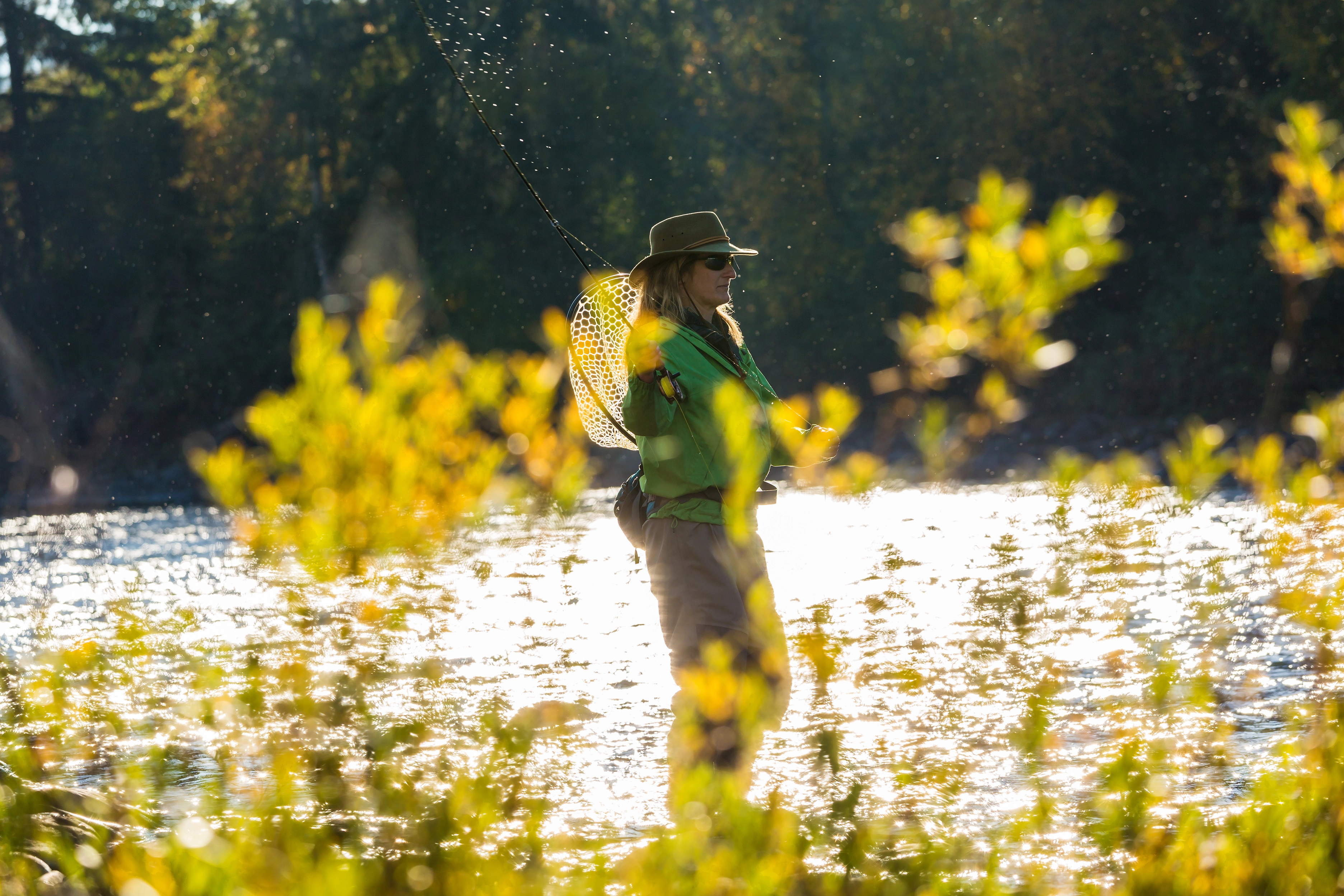
01The Fall Window
October's cold fronts drop Minnesota water temperatures into the sweet spot where predators feed aggressively before winter dormancy. Brown trout stage their spawning runs, smallmouth bass pack into deeper holes, and northern pike hunt the shallows with renewed intensity. Air temperatures averaging 45-65°F create ideal fishing conditions, while lake turnover brings oxygen and nutrients to depths that haven't seen action since spring. The Driftless region in southeastern Minnesota transforms into a trout angler's paradise as spawning browns move upstream from larger waters. Meanwhile, northern waters see muskellunge feeding heavily before the long winter ahead. Water clarity improves as summer algae blooms fade and temperatures drop into the 48-58°F range that triggers peak feeding activity.02Reading the Water: Fall Conditions
Temperature and Flows
Fall brings dramatic temperature swings that dictate fishing success. Surface temperatures on major lakes like Mille Lacs Lake drop from summer highs near 70°F to the mid-50s by November. Stream temperatures follow suit, with trout waters cooling from the low 60s in early September to the upper 40s by season's end.- Early Fall (September): Water temps 58-65°F, stable flows after summer lows
- Mid Fall (October): Prime zone at 50-58°F, occasional rain boosts stream levels
- Late Fall (November): Cooling toward 45-50°F, ice formation begins on stillwaters
Weather Patterns
Cold fronts trigger the most productive fishing windows. Post-frontal conditions with high pressure, clear skies, and temperatures dropping 10-15°F overnight create ideal scenarios for aggressive feeding. These systems typically arrive every 7-10 days throughout the season. Overcast days with light precipitation often produce steady action, especially on pressured waters. The key is matching fly selection and presentation to the barometric pressure - fish deep and slow during high pressure, surface-oriented during dropping pressure.03The Fly Box: Essential Fall Patterns
Streamers for Aggressive Feeders
Fall streamer fishing peaks as predators bulk up for winter. Focus on patterns that imitate baitfish, crayfish, and fleeing forage.- Woolly Bugger - Size 4-8 in olive, black, brown. The go-to pattern for everything from trout to pike
- Muddler Minnow - Size 2-6 for sculpin imitations in rocky streams
- Zonker - Size 2-4 in white or olive for larger predators
- Clouser Minnow - Size 2-6, chartreuse/white or olive/white for deep presentations
Nymphs for Consistent Production
Fall nymphing produces steady results as aquatic insects prepare for winter dormancy. Focus on weighted patterns that get down quickly in cooler, denser water.- Pheasant Tail Nymph - Size 12-16, add copper wire for extra weight
- Hare's Ear Nymph - Size 10-14 in natural and olive variations
- Prince Nymph - Size 8-12 for attractor patterns in stained water
- Copper John - Size 12-16 for fast, deep water
Dry Flies for Surface Action
October caddis hatches and blue-winged olive emergences create excellent dry fly opportunities, especially during mild afternoon periods.- Adams - Size 14-18, versatile mayfly imitation
- Elk Hair Caddis - Size 12-16 in tan, olive, brown
- Blue Winged Olive - Size 16-20 for Baetis hatches
- Griffith's Gnat - Size 18-22 for midge clusters
04Prime Waters
Root River System
The Root River and its tributaries offer Minnesota's premier fall trout fishing. Brown trout averaging 12-16 inches stage in deeper pools before spawning runs, while resident rainbows and brook trout feed actively throughout the system.- Best Access: Lanesboro area provides multiple public accesses and good wadeable water
- Tactics: Nymph deep pools early morning, switch to streamers as temperatures warm
- Prime Times: First two hours after sunrise, last hour before dark
St. Croix River
The St. Croix River transforms into smallmouth bass heaven during fall months. Fish school in rocky areas and current breaks, making them ideal targets for streamer presentations.- Target Zones: Rocky points, channel edges, backwater areas with current
- Top Patterns: Olive woolly buggers, crayfish patterns, small streamers
- Boat Launch Access: Multiple ramps from Taylors Falls to Prescott
Mille Lacs Lake
Mille Lacs Lake offers world-class fall fishing for multiple species. Walleye school on mud flats in 8-15 feet of water, while muskies patrol weed edges and rock piles.- Walleye Focus: Mud flats on the south and east sides of the lake
- Muskie Water: Rocky shorelines and cabbage weed beds in 12-20 feet
- Access: Multiple public launches, Garrison and Onamia offer good starting points
Knife River Steelhead
The Knife River provides Minnesota's only authentic steelhead fishing experience. Lake Superior steelhead enter the system during fall rains, offering challenging fishing for chrome-bright fish.- Run Timing: Mid-October through November, dependent on rainfall
- Flow Requirements: Minimum 80 CFS, optimal fishing at 100-200 CFS
- Effective Patterns: Egg patterns, small streamers, traditional steelhead flies
05Species in Focus
Brown Trout
Fall represents peak season for brown trout throughout Minnesota's trout streams. Pre-spawn fish exhibit aggressive feeding behavior, targeting large prey items before channeling energy toward reproduction.- Peak Activity: Early morning and late evening, overcast midday periods
- Feeding Pattern: Shifts from insects to minnows and crayfish
- Optimal Temperatures: 50-58°F for maximum activity
- Location: Deep pools, undercut banks, woody debris
Smallmouth Bass
Smallmouth bass school heavily during fall months, creating opportunities for multiple fish from productive locations. Cooling water triggers feeding frenzies as fish prepare for winter dormancy.- Schooling Behavior: Groups of 5-15 fish in similar size ranges
- Preferred Depth: 8-15 feet adjacent to shallow feeding areas
- Prime Structure: Rock piles, current breaks, fallen trees
- Temperature Range: Most active 52-62°F
Northern Pike
Northern pike exhibit increased activity as water temperatures cool and baitfish concentrate in predictable locations. Fall fishing can produce some of the year's largest pike.- Ambush Points: Weed edges, channel dropoffs, rocky points
- Baitfish Focus: Follow schools of ciscoes, tullibees, and young-of-year gamefish
- Peak Times: Low light periods and overcast days
- Size Advantage: Larger females feed heavily before winter
06Techniques That Produce
Streamer Presentations
Fall streamer fishing requires adapting retrieve speed and depth to changing water conditions. Start with aggressive strips to locate active fish, then slow presentations for neutral or negative fish.- High-Water Tactics: Use weighted streamers or sink-tip lines to reach fish in deeper holding spots
- Clear-Water Approach: Longer leaders (9-12 feet) and smaller profiles reduce spooking
- Retrieve Variations: Mix 8-inch strips with 2-second pauses, then try steady slow retrieves
- Cross-Stream Swings: Let current work the fly while maintaining line tension
Nymphing Strategies
Fall nymphing success depends on getting flies to the bottom quickly in cooler, denser water. Fish hold tighter to structure and feed less aggressively than summer months.- Weight Systems: Combine weighted flies with split shot for fast sinking
- Strike Indicators: Use bright indicators positioned 1.5-2 times water depth above flies
- Drift Control: Mend line to achieve drag-free drifts through prime holding water
- Multiple Fly Rigs: Tandem setups with different weights and sizes cover more water column
Dry Fly Timing
Surface feeding opportunities decrease as temperatures cool, making timing crucial for dry fly success. Focus on specific weather windows and insect activity periods.- Optimal Conditions: Mild afternoons (55-65°F air temps) with light overcast
- Hatch Windows: Blue-winged olives 11 AM - 3 PM, caddis during evening hours
- Feeding Lanes: Look for consistent rise forms in slower water adjacent to current
- Approach Angles: Fish upstream to rising trout to avoid spooking
"Fall dry fly fishing is about patience and precision. You might see only three rises in an hour, but each one is likely from a quality fish that's actively feeding." - Local guide wisdom from the Root River
07Local Intel
Timing Windows
Veteran Minnesota anglers know that fall fishing revolves around specific timing windows that maximize success rates. Cold front passages create the most productive fishing periods.- Post-Front Days: 24-48 hours after cold front passage often produce best results
- Stable Weather: 3-4 days of consistent conditions allow fish to establish feeding patterns
- Rising Pressure: Fish feed aggressively as barometric pressure increases
- Moon Phases: New moon periods often coincide with peak feeding activity
Lesser-Known Spots
While popular waters receive heavy pressure, several overlooked locations provide excellent fall fishing opportunities for those willing to explore.- Upper Whitewater River: Small stream browns above the state park receive minimal pressure
- Kettle River Pools: Deep holes hold surprising numbers of smallmouth bass
- Lake Vermilion Bays: Protected bays offer pike fishing when main lake turns over
- Spring Creek Tributaries: Unnamed feeder streams often hold native brook trout
Weather Reading
Understanding how Minnesota's fall weather patterns affect fishing success separates consistently successful anglers from occasional lucky ones.- Temperature Drops: 10°F+ overnight drops trigger feeding responses
- Cloud Cover: Overcast conditions extend feeding periods throughout the day
- Wind Direction: Northwest winds typically bring improved fishing within 12-24 hours
- Precipitation: Light rain increases stream flows and activates fish movement
08Gear Checklist
Rod and Reel Systems
Fall conditions demand versatile gear capable of handling both delicate presentations and aggressive fish. Temperature swings require equipment that performs in varying conditions.- Trout Setup: 9-foot 5-weight rod with floating line, backup sink-tip for streamers
- Bass/Pike System: 9-foot 7-weight rod with intermediate sink line for deeper presentations
- Steelhead Rig: 9.5-foot 7-weight with interchangeable tip system for varying water conditions
- Reel Considerations: Sealed drag systems perform better in cold, wet conditions
Clothing and Waders
Minnesota fall weather creates challenging conditions that require layered clothing systems and quality waders for extended fishing sessions.- Wader Requirements: Breathable chest waders with felt or rubber soles for varying bottom types
- Base Layers: Merino wool or synthetic materials that insulate when wet
- Outer Shell: Waterproof, breathable jacket for sudden weather changes
- Hand Warmers: Chemical or rechargeable warmers for maintaining dexterity during cold snaps
Accessories
Fall fishing success often depends on having the right accessories readily available for changing conditions and varying fish behavior.- Leader Material: 0X-5X tippet range to match conditions and species
- Split Shot: Removable weight system for adjusting nymph depth quickly
- Strike Indicators: Bright, adjustable indicators for varying water depths
- Net Selection: Rubber nets prevent damage to fish during cold-water releases
- Polarized Sunglasses: Essential for spotting fish and reading water in low autumn light
09Regulations & Conservation
License Requirements
All anglers 16 and older must possess a valid Minnesota fishing license with trout stamp for designated trout waters. Non-residents face different fee structures and regulations than resident anglers.- Resident Annual License: Required for Minnesota residents, includes all inland waters
- Trout Stamp: Additional stamp required for all designated trout streams and lakes
- Non-Resident Options: Annual, 7-day, and 3-day licenses available
- Youth Licenses: Reduced-rate licenses for anglers under 16
Special Regulations
Minnesota trout waters operate under specific regulations that vary by water body and season. Fall fishing coincides with spawning seasons for many species, requiring extra care and awareness.- Catch Limits: Most trout waters allow 5 fish daily, with size restrictions on some waters
- Seasonal Closures: Some streams close to fishing during spawning periods
- Artificial Lures Only: Many premier waters restrict fishing to artificial lures and flies
- Catch and Release Areas: Special regulation waters emphasize quality fishing over harvest
Conservation Practices
Fall fishing occurs during critical pre-spawn and spawning periods for many species. Responsible angling practices ensure sustainable fishing opportunities for future generations.- Proper Fish Handling: Wet hands before handling fish, minimize air exposure
- Barbless Hooks: Reduce injury and handling time during catch and release
- Spawning Respect: Avoid fishing on or near visible spawning beds
- Stream Bank Care: Use established paths to minimize erosion and vegetation damage
10Sources & References
- Minnesota Department of Natural Resources Fishing Information - Official regulations, licensing, and stocking reports
- USGS Water Resources Real-Time Data - Current stream flows and water temperatures
- Trout Unlimited - Conservation efforts and habitat restoration projects in Minnesota
- Minnesota Lake Finder - Detailed information on lake depths, fish populations, and access points
- Minnesota Trout Fishing Guide - Species information and designated trout water listings
- National Weather Service Twin Cities - Weather forecasts and conditions affecting fishing
- Minnesota Fishing License Information - Current license fees and requirements
- Minnesota Fishing Regulations Summary - Complete regulations for all Minnesota waters
Top Fall flies for Minnesota
Ranked by how often they show up in this season's reports.
Waters in Minnesota 7 to fish
Fly shops nearby
Local flies, current advice and guided trips.
Read before you go
Pennsylvania July Fly Fishing: Summer Hatches & Prime Streams
Pennsylvania's July fly fishing peaks with terrestrials, sulphurs, and tricos. Top streams include Penns Creek, Yellow Breeches, and Delaware. Expert guide.
Pennsylvania October Fly Fishing: Fall Trout & Prime Rivers Guide
October fly fishing in Pennsylvania offers exceptional trout opportunities. BWO hatches, fall colors, and active fish on Penns Creek, Delaware River, and Kettle Creek.
Washington December Fly Fishing: Winter Steelhead & Trout Guide
December fly fishing in Washington delivers prime winter steelhead and surprising trout action. Discover top rivers, proven flies, and winter tactics.
New Zealand South Island Fly Fishing: Trout Paradise Guide
Discover New Zealand's South Island trout fishing paradise with expert tips on legendary waters, trophy fish, and essential techniques for success.
September Fly Fishing in California: Prime Rivers & Hatch Guide
September brings ideal fly fishing conditions to California's rivers. Get insider tips on top waters, emerging hatches, and essential flies for peak season.
Mountain Whitefish Fishing in Wyoming
Need gear or a guide?
Find fly shops near Minnesota's best fall waters for local flies, advice and guided trips.