
March – May
Spring in Mississippithe fly fishing guide
Your complete guide to spring fly fishing in Mississippi. Covers top flies, active species, best waters, and expert tips for March through May.
By Cade BagleyUpdated March 27, 2026Fact-checked with state agency data
01The Spring Window
Spring arrives in Mississippi like a slow burn on the water—temperatures climb from 58°F in March to 75°F by May, and the state's rivers and lakes come alive with feeding fish. Water temperatures between 65-72°F trigger aggressive feeding in largemouth bass, bluegill, and coastal species like spotted seatrout. According to Mississippi Department of Wildlife, Fisheries, and Parks data, spring months produce some of the year's most consistent action as fish transition from winter lethargy to pre-spawn aggression. The season breaks into distinct phases: early spring (March) brings cool water and finicky fish, mid-spring (April) delivers prime conditions with stable weather patterns, and late spring (May) offers explosive surface action as spawning activity peaks across multiple species.02Reading the Water: Spring Conditions
Water Levels and Temperatures
Spring runoff patterns vary dramatically across Mississippi's diverse watersheds. Northern streams like the Pearl River typically run 200-400 CFS above winter levels, while southern coastal systems remain more stable. Check USGS Mississippi Water Data for real-time conditions before heading out.- Early March: Water temps 55-62°F, rivers clearing from winter rains
- Late March-April: Optimal window with temps 62-70°F, stable flows
- May: Temps reach 70-78°F, some streams begin dropping to summer levels
- Clarity: Most waters clear by mid-March except after heavy rains
Weather Patterns
Mississippi spring weather runs hot and cold—literally. Cold fronts still push through every 7-10 days in March and April, dropping air temperatures 15-20°F and shutting down surface feeding for 24-48 hours. Stable high-pressure systems lasting 3-4 days create the best conditions for consistent fly fishing action.- Prime conditions: Partly cloudy skies, light south winds 5-10 mph
- Barometric pressure: Rising or steady pressure above 30.00 inches
- Avoid: Falling pressure before fronts, strong north winds
- Rain impact: 0.5+ inches can muddy rivers for 2-3 days
03The Fly Box: Essential Spring Patterns
Topwater and Surface Flies
Spring's warming waters trigger surface activity across Mississippi's diverse fishery. Largemouth bass cruise shallow cover while bluegill begin bedding in protected coves.- Foam Popper (sizes 6-2): White or chartreuse for bass, smaller yellow/red for bluegill
- Deer Hair Bug (sizes 4-1/0): Natural brown or olive, essential for big bass
- Damselfly Adult (size 8-10): Blue or olive patterns for selective fish
- Terrestrial Ant (sizes 12-16): Black foam ants work throughout spring
Subsurface Patterns
Nymphs and streamers account for 70% of spring success in Mississippi waters. Fish shallow structure and drop-offs where baitfish concentrate.- Clouser Minnow (sizes 6-2): Chartreuse/white, olive/white combinations
- Woolly Bugger (sizes 8-4): Olive, black, brown—vary retrieve speeds
- Soft Hackle (sizes 12-16): Brown, olive patterns for bluegill and crappie
- Bead Head Nymph (sizes 14-18): Copper, gold beads for deeper presentations
Saltwater Selections
Coastal waters from Biloxi to Pascagoula offer unique opportunities for spotted seatrout, red drum, and sheepshead.- Deceiver (sizes 2-1/0): White, chartreuse, pink patterns
- Shrimp Pattern (sizes 6-2): Brown, tan, pink for sheepshead
- Crab Pattern (sizes 4-1): Olive, brown crabs for redfish in shallows
- Spoon Fly (sizes 4-1/0): Gold, silver flash patterns
04Prime Waters
Northern Rivers
The Pearl River system offers diverse fly fishing opportunities from Jackson south to the Louisiana border. Spring flows typically run 3,000-5,000 CFS, creating ideal habitat for multiple species.- Best stretches: Byram to Florence (bass, sunfish), below Ross Barnett Dam
- Access: Highway 18 bridge, Pearlington Wildlife Management Area
- Target species: Largemouth bass, spotted bass, bluegill
- Prime flies: Poppers in backwaters, Clousers along current breaks
- Water conditions: 50-150 CFS, gin-clear water
- Access points: Highway 21 bridge, Franklinton area
- Techniques: Sight fishing to bedding bluegill, small terrestrials
Reservoir Systems
Enid Lake and Sardis Lake in north Mississippi warm quickly in spring, creating productive shallow-water fishing.- Enid Lake patterns: Focus on creek arms and protected coves
- Water temps: 2-3°F warmer than flowing water
- Best times: Early morning and late afternoon surface action
- Regulations: Check current limits on MDWFP regulations page
Coastal Waters
The Tchoutacabouffa River system near Biloxi offers exceptional spring fishing for multiple saltwater species.- Prime areas: Grass flats, oyster bars, creek mouths
- Tidal influence: Fish moving water on incoming and outgoing tides
- Water clarity: Varies with tide and weather—adjust fly selection accordingly
- Access: Multiple boat launches and wade-fishing areas
05Species in Focus
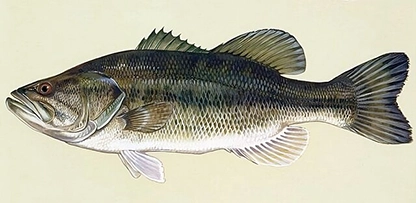
Largemouth Bass
Spring represents peak season for Mississippi's most popular gamefish. Largemouth bass move shallow to spawn when water temperatures reach 62-68°F, typically mid-March through April.- Pre-spawn (March): Fish deeper structure 8-12 feet, slow presentations
- Spawn (April): Aggressive protection of beds in 2-6 feet of water
- Post-spawn (May): Fish suspend near deep structure, erratic behavior
- Best times: Dawn and dusk, overcast days extend feeding windows
- Prime patterns: Large poppers, deer hair bugs, Clouser minnows
Bluegill and Sunfish
Bluegill provide consistent action throughout spring, with peak activity occurring during the extended spawning period from April through June.- Spawning behavior: Males create circular beds in sandy or gravel areas
- Water depth: 1-4 feet in protected coves and backwaters
- Feeding patterns: Surface insects, small baitfish, aquatic invertebrates
- Top flies: Small poppers, ant patterns, soft hackles
- Technique: Sight fishing to bedding fish, gentle presentations
Saltwater Species
Spotted seatrout move into shallow grass flats as water temperatures climb above 65°F. These fish provide excellent sight-fishing opportunities in clear coastal waters.- Habitat: Grass beds, sand holes, creek mouths
- Prime conditions: Clear water, light winds, moving tides
- Best flies: Deceiver patterns, shrimp imitations
- Retrieve: Slow, steady strips with occasional pauses
- Feeding signs: Tailing, waking, mudding in shallows
- Approach: Long casts, quiet wading, observe before casting
- Effective patterns: Crab flies, spoon flies, large Clousers
06Techniques That Produce
Surface Presentations
Spring's warming waters make topwater fishing productive across all species. Surface action typically peaks during low-light conditions—the first two hours after sunrise and last hour before sunset.- Popper technique: Cast beyond targets, let rings settle, then begin series of sharp strips
- Timing: Vary retrieve cadence—aggressive fish respond to fast action, finicky fish prefer subtle movements
- Weather dependence: Calm mornings ideal for surface patterns
- Cover water: Fan-cast to multiple targets before moving positions
Subsurface Strategies
Streamers and nymphs produce consistent results when surface action slows. Focus on structure transitions and depth changes where baitfish concentrate.- Strip timing: Long, slow strips in cool water (under 65°F), faster erratic retrieves in warm water
- Depth control: Use sinking lines or weighted flies to maintain contact with structure
- Current breaks: Target eddies, logs, and undercut banks where fish ambush prey
- Line management: Keep minimal slack for solid hooksets on subtle takes
Saltwater Approaches
Coastal fly fishing requires different techniques adapted to tides, wind, and spooky fish in shallow water.- Approach angles: Position upwind and uptide when possible
- Leader length: 9-12 foot leaders for clear water conditions
- Casting accuracy: Place flies 3-6 feet ahead of moving fish
- Strip sets: Use strip sets instead of lifting the rod for solid hookups
"Spring bass fishing is about reading the transition zones—where warm shallow water meets cooler depths. That's where the biggest fish hang before and after spawning." —Local guide insight
07Local Intel
Timing Windows
Mississippi spring fishing success depends heavily on weather pattern recognition and timing micro-seasons within each month.- Best overall period: April 15 - May 15 for most species
- Daily timing: First light to 10 AM, 6 PM to dark
- Moon phases: New moon periods produce better daytime action
- Weather triggers: 2-3 days of stable conditions after cold fronts
- Pressure patterns: Rising barometric pressure signals improving fishing
Water Selection
Choose waters based on seasonal patterns and recent weather conditions. Rain impacts vary significantly between watersheds.- After rain: Fish smaller creeks that clear quickly
- Cold snaps: Target deeper pools and protected areas
- High pressure: Focus on shallow flats and surface patterns
- Wind conditions: Use wind-protected shores and coves
Hidden Gems
Several lesser-known waters provide excellent spring fishing without crowds found on major lakes and rivers.- Small creek systems: Tributaries to major rivers often fish better than main stems
- Oxbow lakes: Isolated backwaters warm quickly and hold concentrations of bluegill
- Upper reservoir arms: Creek channels entering lakes provide structure and current
- Tidal creeks: Small coastal streams offer intimate fishing for multiple species
08Gear Checklist
Rod and Line Setup
Mississippi's diverse spring fishing requires versatile equipment capable of handling everything from small bluegill to large coastal redfish.- Freshwater setup: 6-7 weight rod, 8'6" to 9' length
- Saltwater setup: 8-9 weight rod for wind and larger fish
- Line selection: Floating lines for 80% of situations, intermediate for deeper presentations
- Backing: 150 yards minimum, 200 yards for saltwater
Leaders and Tippet
Spring conditions require leaders adapted to clear water and potentially spooky fish.- Freshwater: 9-foot tapered leaders, 3X-5X tippet
- Saltwater: 9-12 foot leaders, 12-20 lb tippet
- Fluorocarbon: Essential for clear water situations
- Wire leaders: Light wire for toothy species like gar
Essential Accessories
- Waders: Breathable chest waders for early season comfort
- Wading boots: Felt or rubber soles based on local regulations
- Landing net: Rubber mesh to protect fish
- Forceps: Long-nose pliers for hook removal
- Fly floatant: Powder and liquid options for surface flies
- Strike indicators: Adjustable indicators for nymph fishing
- Sun protection: Hat, sunglasses, UV shirt for long days
09Regulations & Conservation
License Requirements
Mississippi requires separate licenses for freshwater and saltwater fishing. Spring fishing often involves both environments within a single trip.- Freshwater license: Required for all inland waters
- Saltwater license: Required for coastal waters
- Combination license: Available for both environments
- Trout stamp: Not required—Mississippi has no natural trout populations
- Purchase options: Online, sporting goods stores, licensing agents
Bag Limits and Size Restrictions
- Largemouth bass: 5 fish daily limit, 14-inch minimum on most waters
- Bluegill: 30 fish daily limit, no size restrictions
- Crappie: 30 fish daily limit, 10-inch minimum
- Spotted seatrout: 15 fish daily limit, 12-inch minimum
- Red drum: 3 fish daily limit, 18-27 inch slot
Special Regulations
Several waters have unique regulations that affect fly fishing strategies and fish handling.- Trophy bass lakes: Some reservoirs have special size and bag limits
- Catch-and-release areas: Designated sections on select waters
- Seasonal closures: Some areas close during waterfowl seasons
- Motors restrictions: Electric-only zones on certain lakes
Conservation Practices
- Barbless hooks: Crush barbs for easier fish handling
- Proper handling: Wet hands before touching fish
- Quick release: Minimize air exposure, especially in warm water
- Leave No Trace: Pack out all trash, respect private property
10Sources & References
- Mississippi Department of Wildlife, Fisheries, and Parks — Official state agency providing licensing, regulations, and stocking information
- USGS Mississippi Water Data — Real-time stream flow and water quality data for planning fishing trips
- MDWFP Freshwater Fishing Regulations — Current bag limits, size restrictions, and special regulations
- National Weather Service — Marine and freshwater forecasting for Mississippi waters
- Trout Unlimited — Conservation organization with habitat and fishing information
- Mississippi Saltwater Fishing Regulations — Coastal species limits and license requirements
- US Fish and Wildlife Service Mississippi Refuges — Access information for federal wildlife management areas
- Mississippi State University Extension Fisheries — Research-based fishing information and lake management data
Waters in Mississippi 7 to fish
Read before you go
Monthly reportJulin Pennsylvania
July · Pennsylvania
Pennsylvania July Fly Fishing: Summer Hatches & Prime Streams
Pennsylvania's July fly fishing peaks with terrestrials, sulphurs, and tricos. Top streams include Penns Creek, Yellow Breeches, and Delaware. Expert guide.
Monthly reportDecin Washington
December · Washington
Washington December Fly Fishing: Winter Steelhead & Trout Guide
December fly fishing in Washington delivers prime winter steelhead and surprising trout action. Discover top rivers, proven flies, and winter tactics.
Gear & tipsFly Fishing Grand Teton National ParkWhere to Go & What to Expect
Gear & tips
Fly Fishing Grand Teton National Park – Where to Go & What to Expect
Gear & tipsNew Zealand South Island Fly FishingTrout Paradise Guide
Gear & tips
New Zealand South Island Fly Fishing: Trout Paradise Guide
Discover New Zealand's South Island trout fishing paradise with expert tips on legendary waters, trophy fish, and essential techniques for success.
Monthly reportSepin California
September · California
September Fly Fishing in California: Prime Rivers & Hatch Guide
September brings ideal fly fishing conditions to California's rivers. Get insider tips on top waters, emerging hatches, and essential flies for peak season.
Species guideMountain Whitefish Fishing inin Wyoming
Species guide · Wyoming
Mountain Whitefish Fishing in Wyoming
Need gear or a guide?
Find fly shops near Mississippi's best spring waters for local flies, advice and guided trips.
Ask an AI about this page