
Fall in Nebraskathe fly fishing guide
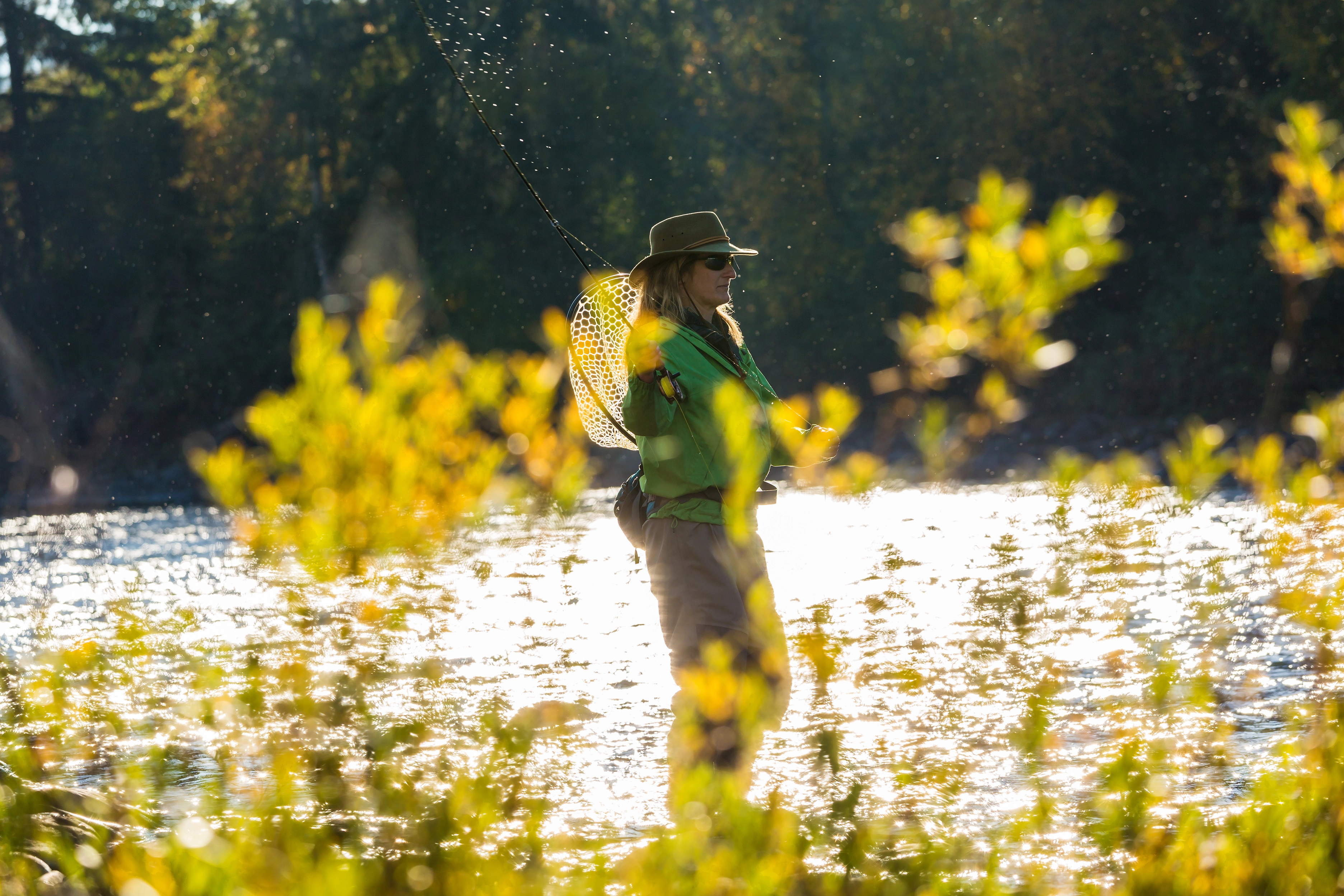
01The Fall Window
Nebraska's autumn fishing season delivers some of the state's most consistent angling opportunities, with water temperatures dropping from summer highs of 78°F to a comfortable 55-65°F range by November. Cool mornings burn off into warm afternoons, creating ideal conditions for both warm and coldwater species to feed aggressively before winter's arrival. The transition from summer's heat stress to autumn's cooler temperatures triggers feeding binges across Nebraska's diverse water systems. Lake McConaughy sees its best walleye action of the year, while the North Platte River below Kingsley Dam produces steady sauger fishing as baitfish concentrate in the cooling flows.02Reading the Water: Fall Conditions
Water Levels and Temperatures
Fall flows across Nebraska's major river systems stabilize after summer irrigation demands ease. The USGS Nebraska water data shows typical September flows ranging from 800-1,200 CFS on the North Platte near Lewellen, dropping to 600-900 CFS by November.- September: Water temps 65-72°F, stable flows, good visibility
- October: Optimal temps 58-68°F, turnover begins in deep lakes
- November: Cooling to 45-58°F, ice formation possible on shallow waters
Seasonal Patterns
Nebraska's reservoirs experience thermal turnover in mid to late October, temporarily disrupting fishing but ultimately distributing oxygen throughout the water column. Merritt Reservoir typically turns over between October 15-25, while deeper Harlan County Reservoir may not fully turn until early November. River systems maintain more stable conditions throughout fall, with the Missouri River offering consistent fishing despite fluctuating releases from upstream dams."October is Nebraska's sleeper month for trophy walleye. The cooling water concentrates baitfish, and big fish feed heavily before winter." — Nebraska Game and Parks Commission biologist
03The Fly Box: Essential Fall Patterns
Streamers for Predators
Fall's cooling water triggers aggressive feeding in predatory species, making streamers the go-to pattern for walleye, sauger, and northern pike. Target the 3-6 inch baitfish that these predators key on.- Woolly Bugger: Size 4-8 in olive, black, or white. Strip slowly along drop-offs
- Clouser Minnow: Size 2-6 in chartreuse/white or olive/white. Essential for walleye
- Zonker: Size 4-6 in natural colors. Deadly for pike in shallow bays
- Deceiver: Size 2-4 tied sparse. Imitates gizzard shad perfectly
Nymphs and Wet Flies
While Nebraska isn't known for classic trout water, its tailwaters and spring creeks support populations of trout and other species that respond to subsurface presentations.- Pheasant Tail Nymph: Size 14-18 for tailwater fishing
- Hare's Ear Nymph: Size 12-16, weighted for deeper runs
- Soft Hackle: Size 14-16 in brown or gray for emerging midges
Surface Patterns
Fall mornings can produce surprising topwater action, especially on calm reservoir coves and river backwaters.- Popper: Size 6-10 for bluegill and small bass
- Elk Hair Caddis: Size 14-18 for midday hatches
- Adams: Size 16-20, versatile attractor pattern
04Prime Waters
Lake McConaughy
Nebraska's largest reservoir transforms into a walleye factory during fall. The Lake McConaughy system holds over 30,000 surface acres, with fall fishing concentrated around the dam area and along the main lake points. Key Areas:- Dam face: Fish 15-25 feet deep with Clouser Minnows
- Otter Creek arm: Shallow bay structure holds wipers
- North shore points: Evening topwater action for white bass
North Platte River Tailwater
The North Platte River below Kingsley Dam offers Nebraska's most consistent fall fishing. Releases from the deep, cool reservoir create excellent conditions for sauger and walleye. Productive Techniques:- Drift Woolly Buggers along the bottom in 4-8 feet of water
- Fish the first mile below the dam for best concentrations
- Target deeper pools during midday, shallows at dawn/dusk
Niobrara River
The spring-fed Niobrara River maintains consistent flows and temperatures throughout fall, supporting diverse fish populations in its clear, cool waters. Access Points:- Smith Falls area: Wadeable water with good smallmouth bass populations
- Berry Bridge: Mix of riffles and pools, excellent for beginners
- Cornell Dam: Tailwater section with deeper holes
Missouri River
The Missouri River Nebraska stretch from Omaha to Nebraska City provides excellent fall fishing for sauger and drum. The river's turbid water requires different tactics than clear-water fisheries. Fall Strategy:- Use bright, contrasting fly colors in chartreuse and white
- Target wing dams and current breaks
- Fish deep with fast-sinking lines in 8-15 feet of water
05Species in Focus
Walleye
Fall represents peak season for Nebraska walleye fishing. As water temperatures drop below 65°F, walleye move from deep summer haunts to shallow feeding areas, becoming more aggressive and easier to locate. Prime Time: Dawn and dusk feeding periods extend as daylight hours decrease Depth Range: 8-20 feet in reservoirs, 4-8 feet in rivers Preferred Structure: Rocky points, drop-offs adjacent to shallow baysSauger
Often overlooked in favor of their walleye cousins, sauger provide consistent fall action in Nebraska's flowing waters. These current-loving fish concentrate below dams and in deep river pools. Identification: Distinct saddle markings on back, smaller than walleye Habitat: Prefer current, often found in 6-12 feet of moving water Peak Activity: October through NovemberWipers (Hybrid Striped Bass)
Lake McConaughy's wiper population provides exciting fall fishing opportunities. These aggressive hybrids school up and feed heavily on shad as water temperatures cool. Fall Behavior:- Surface feeding frenzies common in October
- Follow shad schools in open water
- Most active during low-light periods
Northern Pike
Fall pike fishing can be exceptional in Nebraska's weedy lakes and river backwaters. As vegetation dies back, pike concentrate in remaining green weed beds and ambush points. Target Areas:- Weed line edges in 6-12 feet of water
- Rocky points with adjacent vegetation
- Shallow bays with current flow
06Techniques That Produce
Streamer Fishing for Predators
Fall's cooling water makes streamer fishing Nebraska's most productive technique. The key lies in matching retrieve speed to water temperature and fish activity level. Retrieve Patterns:- Slow strip: 6-inch pulls with 2-second pauses in 55-60°F water
- Medium retrieve: Steady 12-inch strips in 60-65°F water
- Burn and pause: Fast strips followed by long pauses for aggressive fish
Deep Water Presentations
Nebraska's deep reservoirs require specific techniques to reach fish in 15-25 feet of water. Use full-sinking lines (Type III or IV) and allow adequate sink time. Sinking Line Strategy:- Count down to desired depth (roughly 1 foot per second for Type III)
- Maintain bottom contact with slow, steady retrieves
- Use shorter leaders (3-4 feet) to keep flies in the strike zone
Structure Fishing
Fall fish concentrate around specific structure types. Understanding how to read and fish these areas separates successful anglers from those who struggle. Key Structure Types:- Rocky points: Cast parallel to shoreline, work deeper water first
- Submerged trees: Fish edges and openings, not thick cover
- Drop-offs: Position boat in deep water, cast shallow and retrieve down the break
07Local Intel
Timing Windows
Nebraska fall fishing operates on distinct timing patterns that local guides have refined over decades of experience on these waters. Daily Windows:- Dawn bite: 6:00-8:00 AM, most consistent for walleye
- Midday lull: Fish deeper structure from 10:00 AM-3:00 PM
- Evening surge: 5:00 PM until dark, topwater opportunities
Weather Patterns
Nebraska's fall weather can change rapidly, and understanding how these changes affect fishing success is crucial for consistent results. Barometric Pressure:- Falling pressure: Fish shallow, aggressive feeding 12-24 hours before fronts
- High pressure: Target deeper water, slower presentations
- Stable conditions: Normal patterns, focus on prime feeding times
Baitfish Movements
Fall baitfish patterns drive predator behavior across Nebraska waters. Understanding these movements helps predict where gamefish will be feeding. Gizzard Shad: Move into shallow bays as water cools, followed by walleye and wipers Emerald Shiners: School tightly around structure, attracting sauger and white bass Creek Chubs: Concentrate in river pool areas, prime sauger food sourceHidden Gems
While the major reservoirs get most attention, several lesser-known waters provide excellent fall fishing with less pressure. Calamus Reservoir: Excellent walleye fishing with fewer crowds than McConaughy Branched Oak Lake: Good wiper and white bass action in the fall Pawnee Lake: Overlooked walleye fishery near Lincoln08Gear Checklist
Rod and Reel Setup
Nebraska's diverse fall fishing requires versatile tackle that can handle everything from 12-inch bluegill to 30-inch wipers. Primary Rod:- 9-foot, 8-weight fast-action rod for versatility
- Large arbor reel with smooth drag system
- Backing capacity for long runs from big fish
- 7-foot, 6-weight for smaller waters and precise presentations
- Lighter reel suitable for trout and panfish
Lines and Leaders
Fall conditions in Nebraska demand multiple line types to effectively cover different water depths and structure. Line Selection:- Floating line: Weight-forward taper for surface and shallow fishing
- Intermediate line: Versatile choice for 3-8 feet of water
- Type III sinking: Essential for deep reservoir fishing
- Type VI fast-sinking: For fishing 20+ feet deep in big lakes
- 9-foot 2X leaders for clear water presentations
- 6-foot 1X leaders for streamer fishing
- 4-foot 0X leaders for deep sinking line work
- 20-pound fluorocarbon shock tippet for pike
Essential Accessories
Fall weather in Nebraska can range from warm September afternoons to near-freezing November mornings, requiring adaptable gear.- Waders: Breathable chest waders for river fishing
- Wading boots: Felt or rubber soles depending on bottom type
- Stripping basket: Essential for boat and shore fishing
- Polarized sunglasses: Critical for sight fishing and safety
- Landing net: Large enough for trophy walleye and wipers
- Pliers: Long-nose pliers for safe hook removal
Clothing Layers
Nebraska's fall temperature swings require a layering system that adapts to changing conditions throughout the day.- Moisture-wicking base layer for early morning starts
- Insulating mid-layer for cooler periods
- Wind and water-resistant outer shell
- Insulated gloves for late-season fishing
- Warm hat that fits under hood
09Regulations & Conservation
Licensing Requirements
All anglers 16 and older must possess a valid Nebraska fishing license. The Nebraska Game and Parks Commission offers several licensing options for fall fishing. License Types:- Annual Resident: $29 for Nebraska residents
- Annual Non-resident: $54 for out-of-state anglers
- 3-day Non-resident: $19 for short visits
- 1-day Non-resident: $11 for single-day trips
Special Regulations
Several Nebraska waters have specific regulations that differ from statewide rules. Always check current regulations before fishing. Lake McConaughy Regulations:- Daily bag limit: 5 walleye, only 1 over 22 inches
- No length limit on wipers, 15 fish daily limit
- Trout: 5 fish daily, no length restrictions
- Check both Nebraska and Iowa regulations for boundary waters
- Some areas have special paddlefish seasons and gear restrictions
Conservation Practices
Practicing catch-and-release and proper fish handling ensures quality fishing for future generations. Nebraska's fish populations face pressure from habitat changes and fishing pressure. Best Practices:- Use barbless hooks or crimp barbs for easier releases
- Keep fish in water during photo opportunities
- Handle fish with wet hands to protect slime coat
- Release fish quickly in deep water they were caught from
- Report any tagged fish to Nebraska Game and Parks
Access and Ethics
Respecting private property and practicing good angling ethics maintains access to Nebraska's fishing opportunities.- Use only designated public access points
- Obtain permission before crossing private land
- Pack out all trash and fishing line
- Respect other anglers and maintain appropriate distances
- Follow all posted signs and regulations
10Sources & References
- Nebraska Game and Parks Commission - Official fishing regulations, licenses, and species information
- USGS Nebraska Water Resources - Real-time stream flow and water level data
- Trout Unlimited - Conservation efforts and fishing techniques for coldwater species
- National Weather Service - Omaha - Local weather forecasts and conditions affecting fishing
- Fort Niobrara National Wildlife Refuge - Access information for Niobrara River fishing
- National Park Conservation Association - Niobrara River conservation and access information
- Recreation.gov - Lake McConaughy - Camping and facility information for major fishing destinations
- USGS Nebraska Water Science Center - Comprehensive water data and research for Nebraska waters
Top Fall flies for Nebraska
Ranked by how often they show up in this season's reports.
Waters in Nebraska 7 to fish
Read before you go
Pennsylvania July Fly Fishing: Summer Hatches & Prime Streams
Pennsylvania's July fly fishing peaks with terrestrials, sulphurs, and tricos. Top streams include Penns Creek, Yellow Breeches, and Delaware. Expert guide.
Pennsylvania October Fly Fishing: Fall Trout & Prime Rivers Guide
October fly fishing in Pennsylvania offers exceptional trout opportunities. BWO hatches, fall colors, and active fish on Penns Creek, Delaware River, and Kettle Creek.
Washington December Fly Fishing: Winter Steelhead & Trout Guide
December fly fishing in Washington delivers prime winter steelhead and surprising trout action. Discover top rivers, proven flies, and winter tactics.
Felt vs. Rubber Sole Wading Boots: What's Legal Where
Essential guide to felt vs. rubber sole wading boots, plus state-by-state regulations to keep you legal on the water.
New Zealand South Island Fly Fishing: Trout Paradise Guide
Discover New Zealand's South Island trout fishing paradise with expert tips on legendary waters, trophy fish, and essential techniques for success.
September Fly Fishing in California: Prime Rivers & Hatch Guide
September brings ideal fly fishing conditions to California's rivers. Get insider tips on top waters, emerging hatches, and essential flies for peak season.
Need gear or a guide?
Find fly shops near Nebraska's best fall waters for local flies, advice and guided trips.