
Winter in New Jerseythe fly fishing guide
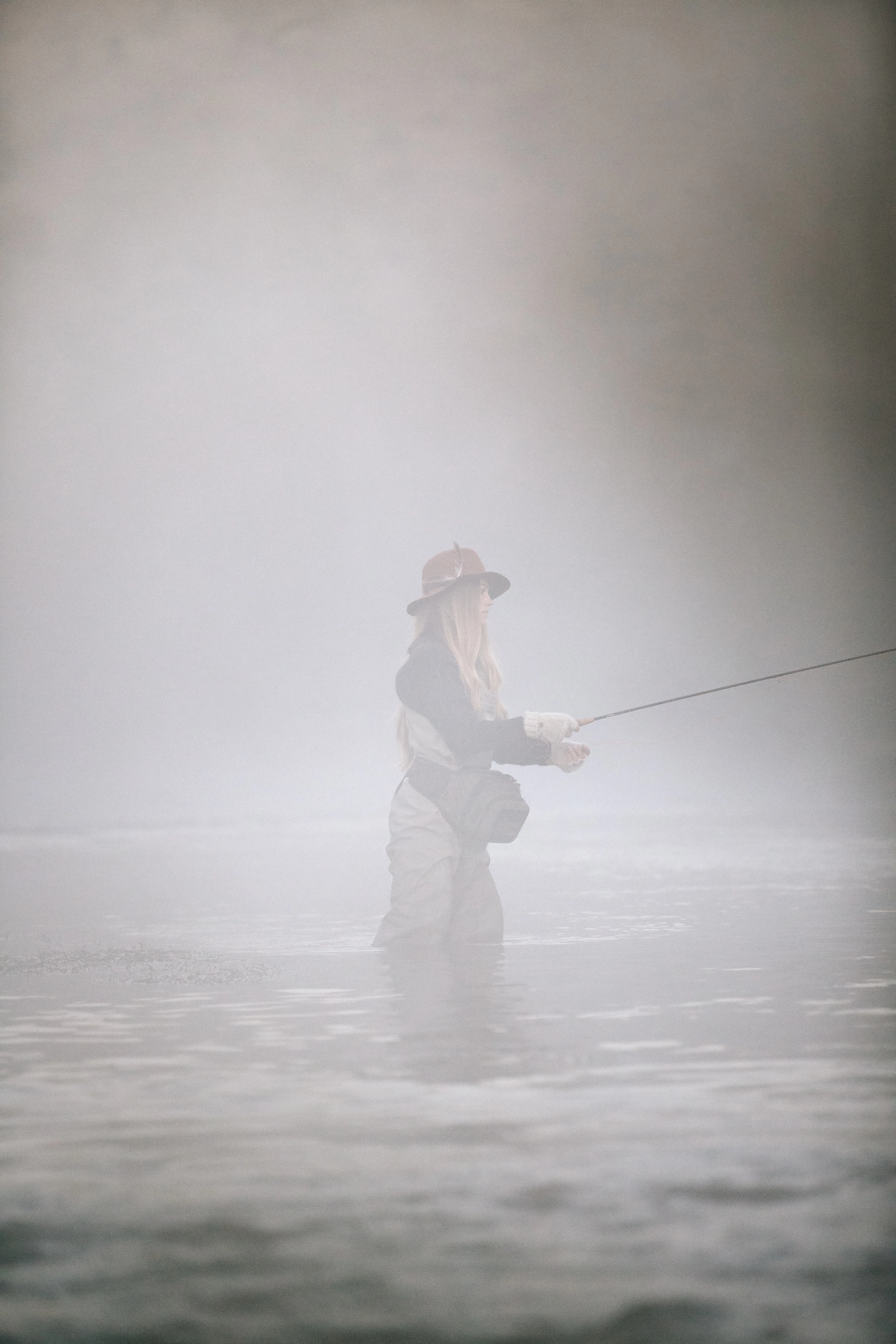
01The Winter Window
New Jersey's winter trout season runs from December through February, offering some of the state's most productive fishing when water temperatures stabilize between 34-42°F. Cold water holds more dissolved oxygen, keeping trout active even when ice forms along stream margins. Winter flows typically run 30-40% below summer levels, concentrating fish in deeper pools and creating predictable feeding lanes that experienced anglers learn to read like a roadmap.The season's magic lies in its clarity — both literal and tactical. Stream visibility often exceeds 4-6 feet as runoff settles and algae growth slows, while trout feeding patterns become remarkably predictable. Midday emerges as prime time when water temperatures peak and aquatic insects show the season's most reliable activity.
02Reading the Water: Winter Conditions
Flow and Temperature Patterns
Winter base flows on New Jersey's premier trout streams settle into consistent patterns by mid-December. The Delaware River maintains flows around 4,000-6,000 CFS through the Trenton gauge, while smaller streams like the Pequest River drop to 15-25 CFS. These reduced flows concentrate trout in specific holding water that guides target repeatedly throughout the season.
- Water temperatures: 34-42°F range, with afternoon peaks around 38-40°F
- Optimal fishing hours: 11 AM to 3 PM when temperatures peak
- Ice conditions: Marginal ice on still pools, open riffles and runs
- Clarity: Excellent visibility, 4-6 feet in most streams
Current USGS flow data shows how winter patterns develop across the state's watersheds, with north-facing streams staying consistently colder than south-facing counterparts.
Winter Hatch Activity
New Jersey's winter hatches concentrate around midges and early stoneflies, with sporadic blue-winged olive emergences on warmer afternoons above 40°F. Midge activity peaks between 12-2 PM when water temperatures reach daily maximums.
- Midges (Chironomidae): Size 18-24, active daily in riffles
- Early black stoneflies: Size 14-16, emerging late January through February
- Blue-winged olives: Size 18-20, sporadic on 45°F+ days
- Crane fly larvae: Size 10-12, dead-drifted along bottom
03The Fly Box: Essential Winter Patterns
Nymph Selection
Winter nymphing dominates New Jersey trout fishing, with 90% of takes coming subsurface. Successful patterns imitate the season's active aquatic insects while accounting for trout's reduced metabolism and selective feeding.
- Pheasant Tail Nymph: Size 16-20, primary mayfly imitation
- Hare's Ear Nymph: Size 14-18, versatile bottom-bouncing pattern
- Copper John: Size 16-18, weighted for deep winter pools
- Zebra Midge: Size 18-22, essential midge larva pattern
- Prince Nymph: Size 14-16, attractor pattern for aggressive fish
Dry Fly Opportunities
While limited, dry fly fishing produces during midday midge hatches and occasional BWO emergences. Patterns must match the season's sparse, dark-colored naturals.
- Griffith's Gnat: Size 20-24, midge cluster imitation
- BWO Emerger: Size 18-20, transitional pattern
- Adams: Size 18-20, general attractor
Streamer Tactics
Winter streamers target the season's largest brown trout, which become increasingly territorial as water temperatures drop. Presentations must be slow and methodical.
- Woolly Bugger: Size 6-10, olive and black variations
- Clouser Minnow: Size 6-8, sculpin imitation
- Muddler Minnow: Size 8-10, bottom-hugging baitfish
04Prime Waters
Delaware River
New Jersey's premier winter trout fishery maintains consistent flows and temperatures through the Trenton area. The river's thermal mass stabilizes conditions while providing excellent access for wade fishing.
- Best sections: Bulls Island to Lambertville, Stockton to Center Bridge
- Target species: Rainbow trout, brown trout
- Access points: Bulls Island Recreation Area, Washington Crossing State Park
- Winter tactics: Deep nymphing in main channel eddies, streamer fishing undercut banks
Pequest River
This limestone spring creek maintains excellent winter flows while offering technical sight-fishing opportunities. Water temperatures rarely drop below 36°F due to spring influence.
- Best stretches: Pequest Trout Hatchery downstream 2 miles
- Target species: Rainbow trout, brown trout, native brook trout
- Winter patterns: Size 18-20 nymphs, midges during midday hatches
- Regulations: Check current slot limits and seasonal closures
Flat Brook
Northern New Jersey's premier wild trout stream offers classic winter pocket water fishing. The stream's gradient creates ideal winter structure with deep pools separated by shallow riffles.
- Wild trout sections: Above Roy Bridge, catch-and-release water
- Target species: Wild brown trout, native brook trout
- Winter structure: Focus on pools below large boulders, undercut banks
- Fly selection: Dark nymphs, size 16-18 patterns
Musconetcong River
This diverse river system provides both wild and stocked trout fishing through varied winter habitats. Lower sections offer smallmouth bass opportunities when water temperatures allow.
- Trout sections: Above Hackettstown, Saxton Falls area
- Access: Multiple public access points along Route 57
- Winter tactics: Nymph deep pools, work streamers through slack water
- Mixed species: Trout in upper reaches, bass in lower thermal areas
05Species in Focus
Brown Trout
Winter brown trout become New Jersey's most aggressive predators, with large specimens actively feeding throughout the coldest periods. Their metabolism slows but feeding intensity often increases as they prepare for spring spawning.
- Peak feeding: 11 AM to 2 PM when water temps peak
- Preferred habitat: Deep pools, undercut banks, log jams
- Winter diet: Nymphs, small baitfish, terrestrials
- Size ranges: 12-18 inches common, 20+ inch fish possible
Rainbow Trout
Rainbow trout maintain active feeding throughout winter, particularly during midday midge emergences. Their bright coloration stands out dramatically in clear winter water.
- Behavior: Form loose schools in deeper runs
- Feeding patterns: Surface activity during hatches, subsurface otherwise
- Prime locations: Tail-outs of pools, moderate-depth runs
- Winter flies: Small nymphs, midge patterns
Brook Trout
Native brook trout thrive in winter's cold water, showing vibrant spawning colors through January. They remain active feeders in the state's coldest, highest-elevation streams.
- Habitat: Small mountain streams, spring seeps
- Winter activity: Most active during warming trends
- Feeding: Opportunistic, responds to small presentations
- Conservation: Handle carefully, true native species
06Techniques That Produce
Winter Nymphing
Successful winter nymphing requires precise depth control and slow presentations. Trout hold in specific feeding lanes with reduced strike zones compared to warmer months.
- Indicator setup: 1.5-2x water depth, micro-indicators for subtle takes
- Split shot: Place 6-8 inches above flies, adjust for current speed
- Drift speed: Dead drift essential, slower than natural current
- Strike detection: Watch for indicator pauses, sideways movement
Dry Fly Presentation
Winter dry fly fishing demands precision timing and accurate presentations to feeding fish. Success rates increase dramatically during active midge emergences.
- Timing: Focus on 12-2 PM window
- Approach: Position below rising fish, cast upstream
- Leader setup: 12-15 foot leaders, 6X-7X tippet
- Drag control: Mend line immediately, short accurate casts
Streamer Fishing
Winter streamer fishing targets aggressive browns holding in prime feeding lies. Presentations must be methodical and thorough.
- Retrieve: Very slow strips, 2-3 second pauses
- Water column: Fish deep, bounce bottom occasionally
- Structure: Work undercuts, log jams, deep pool heads
- Equipment: Sinking tip lines, short heavy leaders
"Winter trout don't chase flies — you have to put the pattern directly in their feeding zone and let it come to them at their speed."
07Local Intel
Timing Windows
New Jersey's winter trout fishing success hinges on recognizing specific timing patterns that locals exploit consistently.
- Temperature triggers: Fish most active when air temps exceed water temps
- Barometric pressure: Falling pressure increases feeding activity
- Cloud cover: Overcast days often outfish sunny conditions
- Snow melt: Avoid fishing during rapid snow melt events
Lesser-Known Spots
Experienced guides target specific winter holes that hold concentrations of trout throughout the cold months.
- Spring seeps: Locate areas where groundwater enters streams
- Thermal refugia: Deep pools that maintain stable temperatures
- Structure fishing: Focus on complex cover - logs, boulders, undercuts
- Tailwater patterns: Below dams and diversions for consistent temperatures
Guide Secrets
Professional guides share these winter-specific tactics that separate successful outings from fishless days.
- Leader management: Change tippet frequently - cold makes monofilament brittle
- Fly box strategy: Keep flies inside vest to prevent icing
- Hook setting: Gentle sets - cold makes fish mouths tender
- Playing fish: Keep fish in water, minimize handling time
08Gear Checklist
Rod and Reel Setup
- Rod: 9-foot 5-weight for versatility, 6-weight for streamers
- Reel: Large arbor with smooth drag, sealed bearings
- Line: Weight-forward floating, sinking tip for streamers
- Backing: 100 yards, check for ice damage regularly
Leaders and Tippet
- Leaders: 9-12 foot tapered, fluorocarbon preferred
- Tippet: 5X-7X, carry multiple spools
- Split shot: Various sizes, non-toxic required
- Indicators: Yarn and foam styles, bright colors
Winter-Specific Equipment
- Waders: Breathable with good traction soles
- Boots: Felt or studded soles for ice conditions
- Layers: Moisture-wicking base, insulating mid, waterproof outer
- Accessories: Neoprene gloves, hand warmers, lip balm
- Safety: Ice picks, whistle, emergency blanket
Fly Selection
- Nymphs: Sizes 14-22 in natural colors
- Dry flies: Midge patterns, small mayfly imitations
- Streamers: Sculpin patterns, small baitfish imitations
- Storage: Keep fly boxes inside clothing to prevent freezing
09Regulations & Conservation
Current License Requirements
New Jersey requires all anglers 16 and older to possess a valid fishing license and trout stamp when targeting trout species. Winter seasons operate under standard regulations with some water-specific variations.
- Resident annual license: Check current NJ Fish & Wildlife pricing
- Trout stamp: Required in addition to basic license
- Daily limits: 6 trout per day, various size restrictions apply
- Possession limits: Twice the daily limit
Special Regulations
Several New Jersey waters operate under special winter regulations designed to protect wild trout populations during their most vulnerable period.
- Catch-and-release sections: Flat Brook above Roy Bridge, select Pequest areas
- Seasonal closures: Some waters close January 1-March 31
- Wild trout waters: Special size and bag limits apply
- Fly fishing only: Designated sections on premier streams
Current regulations are available through the New Jersey Division of Fish & Wildlife and are updated annually.
Conservation Practices
Winter fishing requires extra care to ensure trout survival in cold water conditions that stress fish more than warmer seasons.
- Handling: Minimize air exposure, use barbless hooks
- Photography: Keep fish in water, support body weight
- Release technique: Face fish upstream, support until strong
- Habitat protection: Stay on designated paths, pack out all trash
Trout Unlimited partners with New Jersey Fish & Wildlife on habitat restoration projects that benefit wild trout populations throughout the state.
10Sources & References
- New Jersey Division of Fish & Wildlife - Official fishing regulations, licensing, and stocking schedules
- USGS Real-time Water Data for New Jersey - Current flow and temperature readings
- Trout Unlimited - Conservation efforts and habitat restoration information
- National Weather Service Philadelphia - Weather forecasts affecting New Jersey waters
- New Jersey State Parks - Access information and park regulations
- Pequest Trout Hatchery - Educational resources and stocking information
- Delaware River Basin Commission - Flow management and water quality data
- Jersey Angler - Local fishing reports and community resources
Waters in New Jersey 7 to fish
Fly shops nearby
Local flies, current advice and guided trips.
Read before you go
Pennsylvania July Fly Fishing: Summer Hatches & Prime Streams
Pennsylvania's July fly fishing peaks with terrestrials, sulphurs, and tricos. Top streams include Penns Creek, Yellow Breeches, and Delaware. Expert guide.
Washington December Fly Fishing: Winter Steelhead & Trout Guide
December fly fishing in Washington delivers prime winter steelhead and surprising trout action. Discover top rivers, proven flies, and winter tactics.
New Zealand South Island Fly Fishing: Trout Paradise Guide
Discover New Zealand's South Island trout fishing paradise with expert tips on legendary waters, trophy fish, and essential techniques for success.
September Fly Fishing in California: Prime Rivers & Hatch Guide
September brings ideal fly fishing conditions to California's rivers. Get insider tips on top waters, emerging hatches, and essential flies for peak season.
Mountain Whitefish Fishing in Wyoming
Need gear or a guide?
Find fly shops near New Jersey's best winter waters for local flies, advice and guided trips.