
Spring in North Dakotathe fly fishing guide
01The Spring Window
March through May transforms North Dakota's waters from ice-locked winter silence into the season's most productive fishing window. Water temperatures climb from 35°F in early March to 58-65°F by late May, triggering massive movements of walleye, northern pike, and smallmouth bass into shallow spawning areas. The combination of warming water, lengthening days, and pre-spawn feeding creates exceptional fly fishing opportunities across the state's diverse waters.
Spring ice-out typically occurs between mid-March and early April, depending on winter severity. By April, most waters are fishable, with peak action occurring when water temperatures hit the magic 45-52°F range that triggers aggressive feeding behavior in most species.
02Reading the Water: Spring Conditions
North Dakota's spring fishing revolves around understanding thermal dynamics and seasonal movement patterns. USGS water data shows typical spring conditions across the state's major watersheds.
Water Temperature Patterns
- Early March: 32-38°F, ice conditions variable
- Mid-April: 42-48°F, optimal for pre-spawn activity
- Late May: 55-65°F, post-spawn feeding begins
Flow Conditions
Spring runoff typically peaks in late March through April, with rivers running 200-400% above normal flows. Missouri River flows average 18,000-25,000 CFS during peak runoff, compared to summer flows of 8,000-12,000 CFS.
- High water period: March 20 - April 30
- Stabilizing flows: Early to mid-May
- Prime clarity: Late May onwards
Weather Patterns
Spring weather remains volatile, with temperature swings of 30-40°F common. Successful anglers monitor approaching fronts and fish aggressively during stable periods.
03The Fly Box: Essential Spring Patterns
North Dakota's diverse species require a broad selection of patterns, from aggressive streamers for pike to subtle nymphs for selective walleye. Water clarity varies dramatically by location and runoff conditions.
Streamers
- Clouser Minnow: #2-6, chartreuse/white, olive/white. Essential for walleye and pike in 3-15 feet of water
- Woolly Bugger: #4-8, black, olive, brown. Versatile pattern for all species, especially effective in stained water
- Deceiver: #1/0-4, white/chartreuse combinations. Large profile for aggressive pike
- Sex Dungeon: #2-6, articulated patterns. Deadly for post-spawn smallmouth bass
Nymphs and Wet Flies
- Pheasant Tail Nymph: #12-16, natural and flashy variations
- Hare's Ear Nymph: #10-14, gold bead head versions
- Prince Nymph: #8-12, white wing and peacock body
Surface Patterns
Dry fly action remains limited until late May, but topwater opportunities exist during warm afternoons.
- Elk Hair Caddis: #12-16, brown, tan colors
- Adams: #14-18, classic gray pattern
- Stimulator: #8-12, orange/yellow, searching pattern
04Prime Waters
North Dakota's spring fishing concentrates around specific water types and thermal refuges. Understanding each system's unique characteristics maximizes success rates.
Lake Sakakawea
Lake Sakakawea offers the state's premier spring walleye fishing, with fish staging in 12-25 feet of water along main lake points and tributary mouths. Target areas include:
- Van Hook Arm: Focus on rocky points and drop-offs
- Tobacco Gardens: Classic walleye spawning areas
- New Town Area: Consistent producer for 18-24 inch fish
Use Clouser Minnows in #4-6, varying retrieve speeds until fish respond. Water temperatures of 45-50°F produce best results.
Devils Lake
Devils Lake provides explosive spring walleye action as fish move shallow to feed. The lake's high mineral content creates exceptional water clarity and aggressive fish behavior.
- East Devils Lake: Shallow bays warm first
- Main Lake Structure: Humps and breaks in 8-15 feet
- Inlet Areas: Current attracts feeding fish
Missouri River System
The Missouri River between Bismarck and Mandan offers consistent spring action for walleye and sauger. Focus on:
- Wing dams: Classic structure holds fish in 6-12 feet
- Tailrace areas: Current breaks and eddies
- Side channels: Warmer water during cold snaps
Knife River
The Knife River system produces excellent smallmouth bass fishing as water temperatures climb above 50°F. Target pools and runs with moderate current.
- Access points: Beulah, Hazen, and Golden Valley areas
- Prime water: Deep pools with rocky cover
- Techniques: Strip streamers through current breaks
05Species in Focus
Understanding seasonal behavior patterns helps anglers target the most active species during specific conditions and time windows.
Walleye
Walleye dominate North Dakota spring fishing, with pre-spawn movements beginning when water hits 38-42°F. Peak activity occurs during the 45-52°F window.
- Pre-spawn: Stage in 15-25 feet near spawning areas
- Spawn: Move to rocky reefs and shorelines, 3-8 feet
- Post-spawn: Feed aggressively in 8-15 feet
- Best times: Early morning and evening, overcast days
- Prime patterns: Clouser Minnows, Woolly Buggers
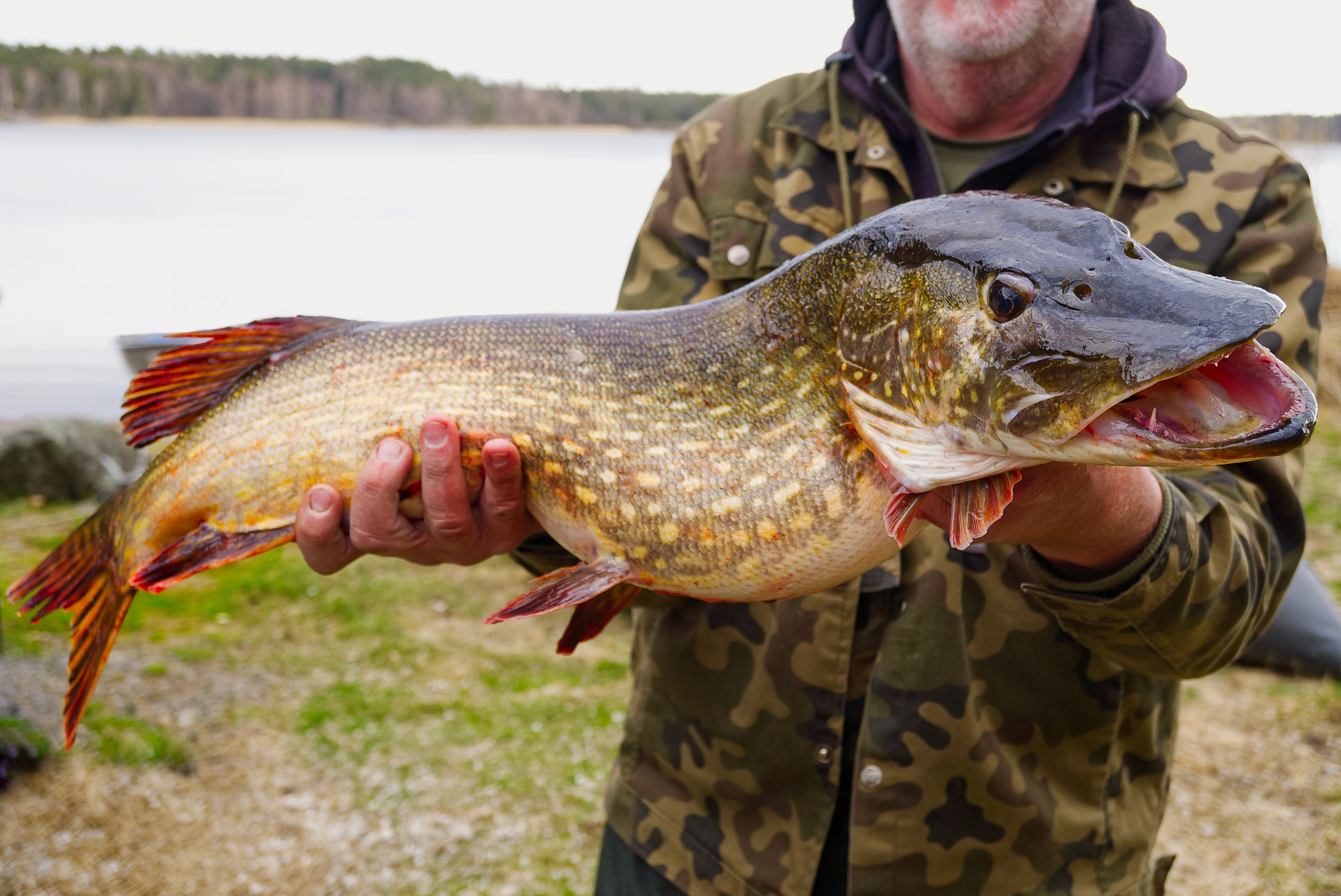
Northern Pike
Northern pike provide explosive spring action, especially in shallow bays and backwaters where water warms quickly. Fish become active at 40°F and peak at 50-55°F.
- Location: Shallow vegetation areas, 2-6 feet
- Feeding pattern: Ambush predators near cover
- Peak times: Mid-morning through afternoon
- Essential flies: Large streamers, #1/0-4 sizes
- Retrieve: Erratic strips with pauses
Smallmouth Bass
Smallmouth bass in North Dakota's rivers become active as water temperatures reach 48-52°F. They provide excellent sport on lighter tackle.
- Habitat: Rocky areas, current breaks, deep pools
- Behavior: Increasingly aggressive through May
- Top patterns: Woolly Buggers, crayfish imitations
- Technique: Dead-drift through pools, strip in current
06Techniques That Produce
Spring fly fishing in North Dakota demands versatility and willingness to adapt to changing conditions. Success depends on matching technique to species behavior and water conditions.
Streamer Fishing
Streamers dominate spring fishing across all species. The key lies in varying retrieves until fish respond.
- Fast strips: 12-18 inch pulls for aggressive fish
- Slow rolls: Steady retrieve in cold water
- Erratic action: Strip-pause-strip for pike
- Depth control: Use different sink rates for water column coverage
Nymphing Techniques
Effective for selective walleye and post-spawn fish in clear water conditions.
- Indicator fishing: Dead-drift in current areas
- High-stick nymphing: Tight-line control in close quarters
- Swing method: Allow flies to swing through pools
Water Column Strategies
Spring fish utilize the entire water column as thermal layers develop.
- Surface: Early morning, calm conditions
- Mid-column: Primary feeding zone, 4-12 feet
- Bottom: Cold water periods, deeper structure
07Local Intel
Timing and location knowledge separate successful anglers from those who struggle. Local patterns hold true across seasons.
Timing Windows
- Early season: 10 AM - 4 PM produces best results
- Mid-spring: Dawn and dusk feeding periods extend
- Late spring: All-day action possible on favorable days
- Weather impacts: Fish 24-48 hours before fronts
Water Selection
- Muddy conditions: Target clearer tributaries
- High water: Focus on backwaters and eddies
- Cold snaps: Find deepest available water
- Warming trends: Shallow bays heat first
Local Favorites
Several lesser-known locations consistently produce quality fishing:
- Sheyenne River: Excellent walleye fishing near Valley City
- James River: Underrated smallmouth water from Jamestown south
- Prairie pothole lakes: Explosive northern pike fishing
08Gear Checklist
North Dakota's variable spring conditions require versatile gear selection. Temperature swings and changing water levels demand preparation.
Rod Selection
- 7-8 weight: Primary rod for streamers and wind
- 5-6 weight: Backup for smaller flies and calmer days
- 9-10 weight: Large pike and windy conditions
Line Systems
- Floating line: WF with aggressive front taper
- Intermediate: Essential for mid-column fishing
- Fast-sinking: Type VI for deep structure
Leaders and Tippet
- Standard setup: 7.5-9 foot, 1X-3X fluorocarbon
- Pike fishing: Steel leader or heavy fluorocarbon, 40-60 lb test
- Clear water: 4X-5X tippet for selective fish
Essential Accessories
- Waders: Insulated chest waders for cold water
- Boots: Felt or studded soles for rocky areas
- Net: Large rubber net for pike handling
- Tools: Forceps, pliers, line cutters
- Safety: Wading staff, whistle, first aid kit
09Regulations & Conservation
North Dakota fishing regulations change annually, with specific seasons and limits for different species and waters. Current information prevents costly violations and supports conservation efforts.
Licensing Requirements
All anglers 16 and older must possess a valid North Dakota fishing license. Non-residents pay higher fees but gain access to excellent fishing opportunities.
- Resident annual: $16
- Non-resident annual: $45
- Non-resident 3-day: $20
- Purchase online: North Dakota Game and Fish Department
Spring Season Dates
- Most waters: Open year-round
- Trout waters: Specific seasons, check regulations
- Special regulations: Some lakes have unique rules
Limits and Restrictions
- Walleye: 5 fish daily, 10 in possession
- Northern pike: 3 fish daily, 6 in possession
- Smallmouth bass: 5 fish daily, 10 in possession
- Size restrictions: Vary by water body
Conservation Notes
North Dakota's fisheries benefit from catch-and-release practices, especially during spawning periods. Handle fish carefully and release quickly during pre-spawn and spawning periods.
"The resource is finite, but the experiences are limitless when we fish responsibly."
10Sources & References
- North Dakota Game and Fish Department - Official fishing regulations, licensing, and species information
- USGS Water Resources North Dakota - Real-time water data, flow rates, and temperature monitoring
- Trout Unlimited - Conservation efforts and habitat restoration projects
- National Weather Service Bismarck - Weather forecasts and warnings for fishing planning
- U.S. Fish and Wildlife Service - Public access and refuge fishing opportunities
- North Dakota State University Extension - Water quality and fisheries research
- North Dakota Where to Fish Guide - Detailed location information and access points
- Recreation.gov - Camping and lodging near prime fishing waters
Top Spring flies for North Dakota
Ranked by how often they show up in this season's reports.
Waters in North Dakota 6 to fish
Read before you go
Pennsylvania July Fly Fishing: Summer Hatches & Prime Streams
Pennsylvania's July fly fishing peaks with terrestrials, sulphurs, and tricos. Top streams include Penns Creek, Yellow Breeches, and Delaware. Expert guide.
Washington December Fly Fishing: Winter Steelhead & Trout Guide
December fly fishing in Washington delivers prime winter steelhead and surprising trout action. Discover top rivers, proven flies, and winter tactics.
Fly Fishing Grand Teton National Park – Where to Go & What to Expect
New Zealand South Island Fly Fishing: Trout Paradise Guide
Discover New Zealand's South Island trout fishing paradise with expert tips on legendary waters, trophy fish, and essential techniques for success.
September Fly Fishing in California: Prime Rivers & Hatch Guide
September brings ideal fly fishing conditions to California's rivers. Get insider tips on top waters, emerging hatches, and essential flies for peak season.
Mountain Whitefish Fishing in Wyoming
Need gear or a guide?
Find fly shops near North Dakota's best spring waters for local flies, advice and guided trips.