
Fall in Missourithe fly fishing guide
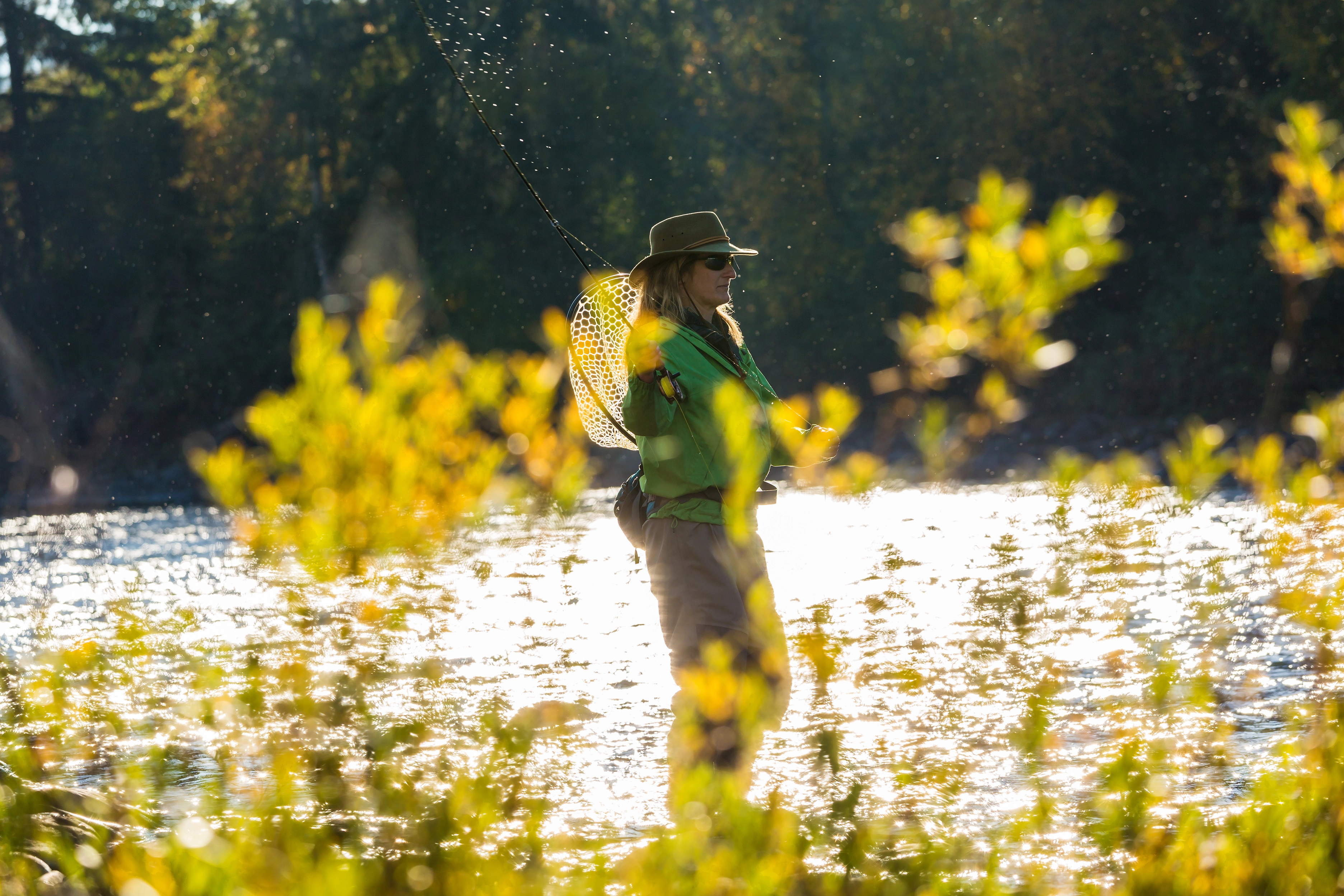
01The Fall Window
October temperatures dropping into the mid-50s signal Missouri's premier fly fishing season. Water temperatures between 48-58°F trigger aggressive feeding behavior across the state's diverse fisheries, from the spring-fed waters of Bennett Spring to the Ozark streams that host some of the Midwest's finest smallmouth action. Fall presents a unique convergence: resident trout preparing for winter in the state parks' managed waters while native smallmouth bass and largemouth bass feed heavily before cold weather arrives. The season's shorter daylight windows—10 hours by late October—concentrate feeding activity into predictable windows. Morning mist lifts off the Current River by 9 AM, revealing gin-clear water and bass positioned in shallow eddies behind boulders.02Reading the Water: Fall Conditions
Water Levels and Temperatures
Missouri's fall fishing revolves around stable flows and cooling temperatures. USGS gauge readings show typical October flows on major Ozark streams:- Current River at Doniphan: 800-1,200 CFS, optimal clarity
- Jacks Fork at Eminence: 150-300 CFS, perfect wading conditions
- Niangua River at Decaturville: 200-400 CFS below Montauk State Park
Weather Patterns
Missouri's fall weather brings stable high-pressure systems punctuated by cold fronts every 7-10 days. The best fishing occurs:- Pre-frontal periods: 24-48 hours before weather changes
- Overcast conditions: Cloud cover extends surface feeding
- Morning fog: Common until 10 AM, signals stable conditions
Seasonal Hatches
Fall hatches in Missouri focus on terrestrials and late-season aquatic insects:- Blue-Winged Olives: Size 18-20, 11 AM-2 PM on overcast days
- Midges: Size 22-24, continuous emergence in spring creeks
- Crane flies: Size 10-12, September-early October
- Terrestrials: Hoppers, ants, beetles active until first hard freeze
03The Fly Box: Essential Fall Patterns
Trout Patterns
Fall trout fishing in Missouri's spring creeks demands precise presentations with proven patterns:- Blue-Winged Olive Dun: Size 18-20, Harrop dun or standard BWO patterns
- Pheasant Tail Nymph: Size 16-18, gold bead head for deeper pools
- Zebra Midge: Size 20-22, black or red, deadly in spring creeks
- Woolly Bugger: Size 8-10, olive or brown, stripped slowly
- Scud: Size 14-16, pink or orange, essential in Bennett and Roaring River
Bass and Panfish Patterns
Warmwater species require different approaches as water temperatures decline:- Clouser Minnow: Size 4-6, chartreuse/white or olive/white
- Woolly Bugger: Size 6-8, black or olive, slow strips
- Popping Bug: Size 6-8, for surface feeding bass in morning/evening
- Crayfish Pattern: Size 4-6, brown or rust, bounced along bottom
- Hellgrammite: Size 4-6, black, effective for both bass species
Rigging Recommendations
- Spring creek setup: 9-foot 5X leader, split shot 18 inches above nymph
- Bass fishing: 7.5-foot 2X leader, wire bite tippet for northern pike areas
- Indicator fishing: Thingamabobber 1.5 times water depth above fly
04Prime Waters
Bennett Spring State Park
The crown jewel of Missouri trout fishing produces 50 million gallons daily at a constant 58°F. Fall fishing excels from the trophy area downstream to the Highway 64 bridge:- Trophy Area: Catch-and-release, artificial lures only, 18-inch minimum
- Best techniques: Nymph fishing with indicators, dry flies during BWO hatches
- Peak times: 8-11 AM and 4-6 PM
- Access: Multiple designated areas, $4 daily trout tag required
Roaring River State Park
Roaring River offers 20 million gallons daily of 58°F spring water. The narrow stream requires precision casting but rewards skilled anglers:- Wild Trout Area: Above the hatchery, wild rainbow and brown trout
- Stocked Areas: Below the spring to the park boundary
- Fall strategy: Fish scud patterns along undercut banks
- Equipment: 7.5-foot 4-weight rod, 6X tippet for spooky fish
Montauk State Park (Niangua River)
The Niangua River at Montauk combines spring creek characteristics with freestone features. Seven springs contribute 40 million gallons daily:- Spring Branch: Technical fishing, 18-inch minimum length
- Main River: Standard regulations, good for beginners
- Fall patterns: BWO duns during overcast weather, nymphs in deeper runs
- Access: Ten designated fishing areas within the park
Current River
The Current River offers premier smallmouth bass fishing as water temperatures drop into the optimal 55-65°F range:- Big Spring to Round Spring: 14-mile float, excellent wading access
- Target species: Smallmouth bass, largemouth bass, goggle-eye
- Fall tactics: Clouser minnows in pools, poppers at dawn/dusk
- Water clarity: Typically 8-12 feet visibility, requires stealthy approaches
Jacks Fork River
Jacks Fork provides outstanding smallmouth fishing with fewer crowds than the Current River:- Alley Spring to Eminence: 16-mile section, multiple access points
- Fall advantages: Lower flows concentrate fish, clearer water
- Techniques: Wade upstream, cast to structure, strip streamers
- Species: Smallmouth bass average 12-14 inches
05Species in Focus
Rainbow Trout
Missouri's stocked rainbow trout show peak activity as water temperatures stabilize in the mid-50s:- Feeding windows: 9 AM-noon and 3-6 PM
- Preferred depth: 2-4 feet in spring creeks
- Diet: 60% aquatic insects, 40% crustaceans (scuds, sowbugs)
- Best patterns: Pheasant Tail Nymphs, scuds, BWO duns
Brown Trout
Brown trout populations in Missouri peak during fall feeding periods:- Behavior: More aggressive than rainbows, ambush feeding
- Location: Undercut banks, log jams, deep pools
- Peak activity: Low-light periods, overcast days
- Effective patterns: Woolly Buggers, large nymphs, terrestrials
Smallmouth Bass
Fall represents peak smallmouth bass fishing in Missouri's Ozark streams:- Temperature preference: 55-65°F, optimal feeding range
- Location: Rocky pools, eddies below riffles, undercut limestone banks
- Feeding behavior: Aggressive strikes, jumps when hooked
- Top patterns: Clouser minnows, crayfish, poppers
"October smallmouth are like teenagers at a buffet—they'll eat everything in sight before winter sets in."
Largemouth Bass
Largemouth bass in Missouri's slower sections show similar fall feeding patterns:- Habitat: Deeper pools, areas with cover (logs, rocks, vegetation)
- Water temperature: Active until temps drop below 50°F
- Best presentations: Slow strips, bottom-bouncing techniques
- Peak times: Early morning and late evening
06Techniques That Produce
Spring Creek Nymphing
Missouri's spring-fed waters require specialized nymphing techniques:- High-stick method: Keep line off water, follow drift with rod tip
- Split shot placement: 12-18 inches above fly, adjust for depth
- Strike detection: Watch for line pause, sideways movement
- Presentation: Cast upstream, dead drift, no drag
Dry Fly Tactics
Fall dry fly fishing peaks during BWO hatches on overcast days:- Pattern selection: Match size first, color second
- Presentation: Reach casts to avoid drag, upstream approach
- Line management: Mend immediately after cast lands
- Timing: Focus on 11 AM-2 PM during stable weather
Streamer Fishing for Bass
Ozark streams demand specific streamer techniques for bass:- Approach: Wade upstream, cast to structure
- Retrieve: 6-inch strips with pauses, vary speed
- Target zones: Edges of deep pools, boulder fields
- Equipment: 6-7 weight rod, sinking tip line optional
Surface Tactics
Fall mornings and evenings offer excellent topwater opportunities:- Poppers: Sharp strips creating bubbles, pause between pops
- Timing: First hour of light, last hour before dark
- Water types: Quiet pools, eddies behind structure
- Strike response: Count to two before setting hook
07Local Intel
Timing Windows
Missouri guides consistently identify specific daily patterns:- Spring creek trout: Peak activity 9-11 AM and 4-6 PM
- Ozark bass: Best fishing first 2 hours of daylight
- BWO hatches: Overcast days between 11 AM-2 PM
- Terrestrial fishing: Warm afternoons until mid-October
Weather Secrets
- Frontal fishing: 24 hours before weather changes produce best results
- Fog mornings: Excellent dry fly fishing as mist lifts
- Light rain: Increases surface activity, extends feeding windows
- Barometric pressure: Rising pressure improves fishing quality
Lesser-Known Spots
- Greer Spring Branch: Wild trout below the spring, technical fishing
- Blue Spring Creek: Small stream with quality trout
- Eleven Point River: Excellent smallmouth, fewer crowds
- North Fork River: Good trout water below Rainbow Spring
Stocking Schedules
Missouri Department of Conservation stocks trout parks weekly:- Tuesday/Wednesday: Primary stocking days at Bennett, Roaring River
- Thursday morning: Fish show feeding aggression after stocking
- Weekend pressure: Fish become more selective, downsize patterns
08Gear Checklist
Rod Selection
- Spring creek trout: 8-foot 4-weight, medium action
- Ozark bass: 8.5-foot 6-weight, fast action
- All-around setup: 9-foot 5-weight covers most situations
Line Systems
- Floating line: Weight-forward taper for most applications
- Sinking tip: 10-foot Type III for deep pools
- Leaders: 9-foot tapered, 4X-6X for trout, 2X for bass
Essential Flies
- Nymphs: Pheasant Tail, Hare's Ear, Zebra Midge
- Dry flies: BWO Dun, Adams, Elk Hair Caddis
- Streamers: Woolly Bugger, Clouser Minnow
- Bass patterns: Poppers, crayfish, hellgrammites
Accessories
- Net: Rubber bag, 15-inch minimum for bass
- Forceps: Essential for hook removal and fly changes
- Indicators: Thingamabobbers or yarn indicators
- Split shot: Various sizes for depth adjustment
- Floatant: Gink or similar for dry flies
Clothing
- Waders: Breathable chest waders, felt or rubber soles
- Wading boots: Sticky rubber for Missouri's limestone
- Layers: 40-70°F temperature range requires flexibility
- Hat: Brimmed hat for sun protection and stealth
09Regulations & Conservation
License Requirements
Missouri requires all anglers 16 and older to possess valid fishing licenses:- Annual resident: $12 basic fishing license
- Daily permit: $7 for short visits
- Trout parks: Additional $4 daily trout permit required
- Purchase locations: Online at MDC website, sporting goods stores
Special Regulations
- Bennett Spring Trophy Area: 18-inch minimum, artificial lures only
- Roaring River Wild Trout Area: Catch-and-release above hatchery
- Montauk Spring Branch: 18-inch minimum length limit
- Blue Ribbon Trout Waters: Special length and bag limits apply
Conservation Practices
Missouri's trout parks and Ozark streams require careful handling:- Barbless hooks: Recommended for easier release
- Landing technique: Use nets, support fish horizontally
- Photography: Keep fish in water, minimize air exposure
- Wading impact: Avoid spawning beds, minimize disturbance
Current River National Scenic Riverways
Federal regulations apply to Current River and Jacks Fork:- Camping permits: Required for overnight stays
- Access fees: None for day fishing
- Boat regulations: Length restrictions in certain areas
- Contact: National Park Service for current information
10Sources & References
- Missouri Department of Conservation - Official fishing regulations, license information, and stocking schedules
- USGS Real-time Water Data for Missouri - Current stream flows and gauge readings
- National Park Service - Ozark National Scenic Riverways regulations and access information
- National Weather Service Springfield - Regional weather forecasts and conditions
- Trout Unlimited - Conservation updates and stream access information
- Missouri State Parks - Bennett Spring, Roaring River, and Montauk park information
- MDC Trout Parks and Hatcheries - Detailed information about Missouri's four trout parks
- Missouri Fish Species Information - Biology and identification of native and stocked species
Top Fall flies for Missouri
Ranked by how often they show up in this season's reports.
Waters in Missouri 6 to fish
Fly shops nearby
Local flies, current advice and guided trips.
Read before you go
Pennsylvania July Fly Fishing: Summer Hatches & Prime Streams
Pennsylvania's July fly fishing peaks with terrestrials, sulphurs, and tricos. Top streams include Penns Creek, Yellow Breeches, and Delaware. Expert guide.
Pennsylvania October Fly Fishing: Fall Trout & Prime Rivers Guide
October fly fishing in Pennsylvania offers exceptional trout opportunities. BWO hatches, fall colors, and active fish on Penns Creek, Delaware River, and Kettle Creek.
Washington December Fly Fishing: Winter Steelhead & Trout Guide
December fly fishing in Washington delivers prime winter steelhead and surprising trout action. Discover top rivers, proven flies, and winter tactics.
Fly Line Types Guide: WF, DT, Running & Shooting Heads
Master fly line selection with our comprehensive guide to weight forward, double taper, running lines, and shooting heads for every fishing situation.
Best Fly Fishing Waders of 2025 – Breathable vs. Neoprene
Expert comparison of breathable and neoprene waders with top 2025 models for every budget and fishing condition.
Felt vs. Rubber Sole Wading Boots: What's Legal Where
Essential guide to felt vs. rubber sole wading boots, plus state-by-state regulations to keep you legal on the water.
Need gear or a guide?
Find fly shops near Missouri's best fall waters for local flies, advice and guided trips.